


In the world of sustainable architecture and design, the conversation for the built environment is evolving rapidly, challenging industry norms and pushing for innovative solutions.
With the Draft 2040 City Plan focusing on a ‘retrofit first’ approach there is a need to prioritise retention and retrofit of existing building in the journey to achieve net-zero carbon.
At the City Architecture Forum event, Retrofit & Re-use First, the City’s journey to net-zero held at the beautiful Temple Bar with time spent in the exceptional Sir Christopher Wren’s working room, the audience had the pleasure of hearing from three of this industry leading experts. Kerstin Kane, Principal Planning Officer (sustainability), City of London Corporation; Tina Paillet, President of RICS and co-founder of Circotrade; and Dr Barbara Marino, Strategic Development & Compliance Director, Keltbray. These esteemed speakers shared valuable insights that shed light on the current challenges faced and the opportunity for change.
Michelle McDowell as event Chair emphasised the importance of retrofitting and reusing existing structures, highlighting the need for smart design and collaboration. With a focus on achieving the highest sustainability targets, retrofit first approach advocates for optioneering and considering the environmental, social, and economic impacts of design choices. This approach aligns with the growing trend towards circular economy practices, where materials are reused and repurposed to minimise waste and maximise efficiency.Kerstin brought a fresh perspective to the table, emphasising the need for flexibility in design and a shift towards more sustainable building practices. By singing and dancing to the tune of highest sustainability targets, Kerstin challenges the industry to think beyond traditional norms and define aspirations clearly, then encouraging all to look at optioneering at the initial stage of any project. Collaboration and consultation are key, as stakeholders should work together to define aspirations and create a workshop-style environment that fosters innovation and creativity.
62% of all waste from the UK is from the construction industry which in 2021 equates to 1.5M tonnes and only 1% of materials are reused across the UK & Europe.
Tina highlighted that the industry is not changing as we think it should with lots of talk and less doing. The insights into waste statistics were depressing, noting the need for material savings, and the importance of checking plans for opportunities further demonstrate a requirement for a holistic approach to sustainable design. With pressure from EPC regulations and a staggering amount of waste generated by the industry, Tina advocates for action over mere talk, pushing for tangible results and measurable impact. By rethinking procurement routes and engaging with stakeholders early on, Tina believes that real change can be achieved.
As Barbara aptly put it, "anything is possible - everything is achievable." With a focus on repurposing existing structures and embracing new technologies, Barbara challenges the industry to adapt and evolve. By understanding the challenges of retrofitting and deconstructing steel structures, Barbara highlighted the importance of warranty and the need for continuous improvement in building practices.In conclusion, the future of sustainable architecture lies in collaboration, innovation, and a commitment to change.
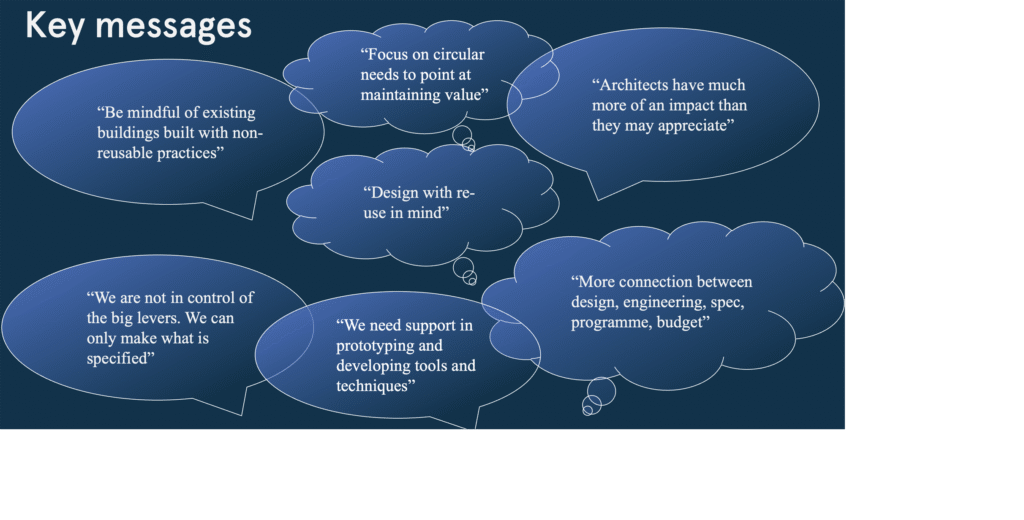
By embracing the insights shared by the City Architecture Forum, Kerstin, Tina, and Barbara, the industry can move towards a more sustainable and efficient built environment. With a focus on circular economy practices, flexible design solutions, and proactive engagement with stakeholders, the possibilities for transformation are endless. It's time to dance to a new tune and create a built environment that not only meets our needs today but also ensures a sustainable future for generations to come.
Kara Thompson