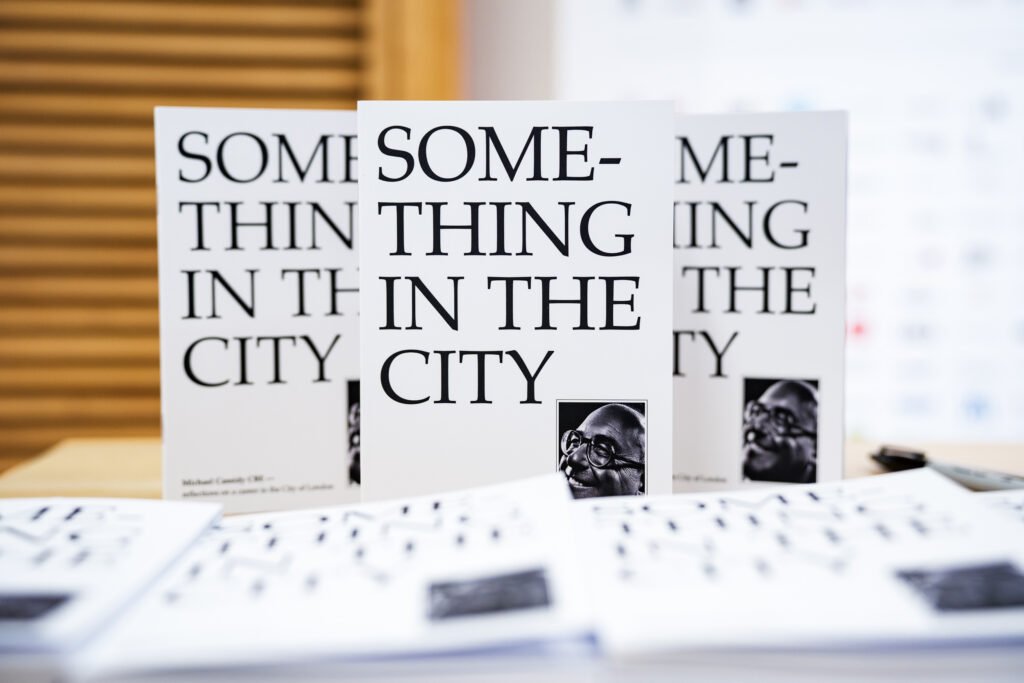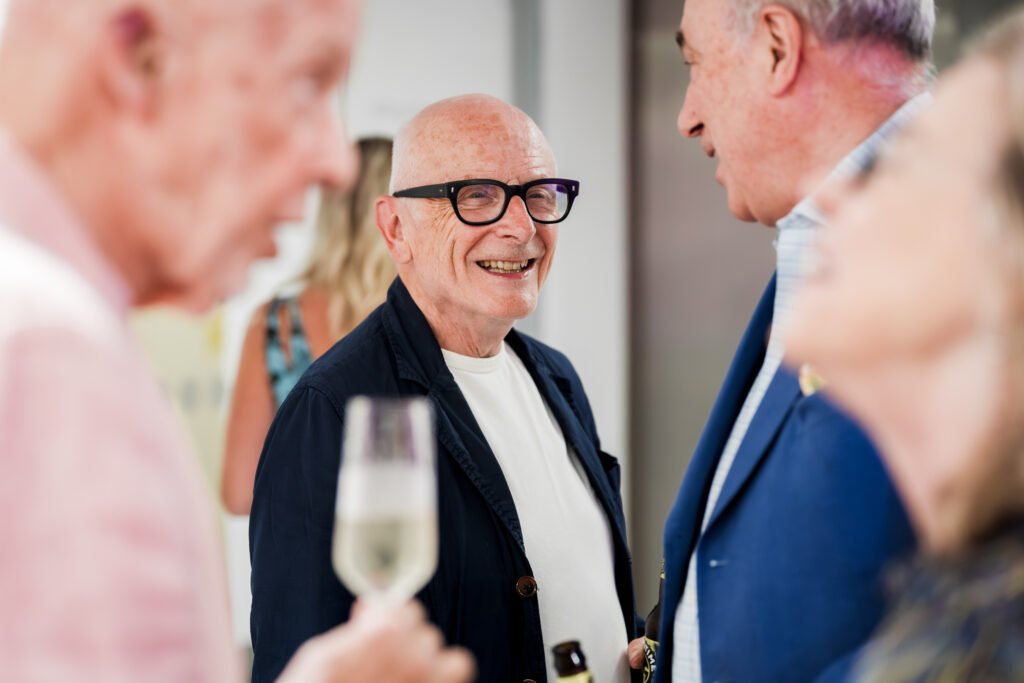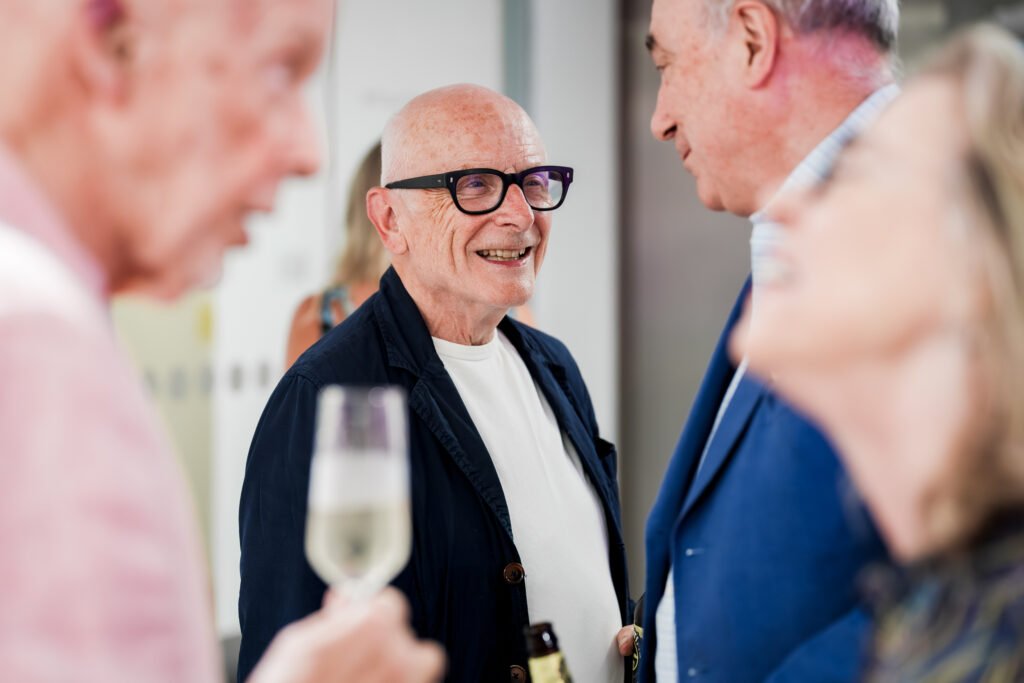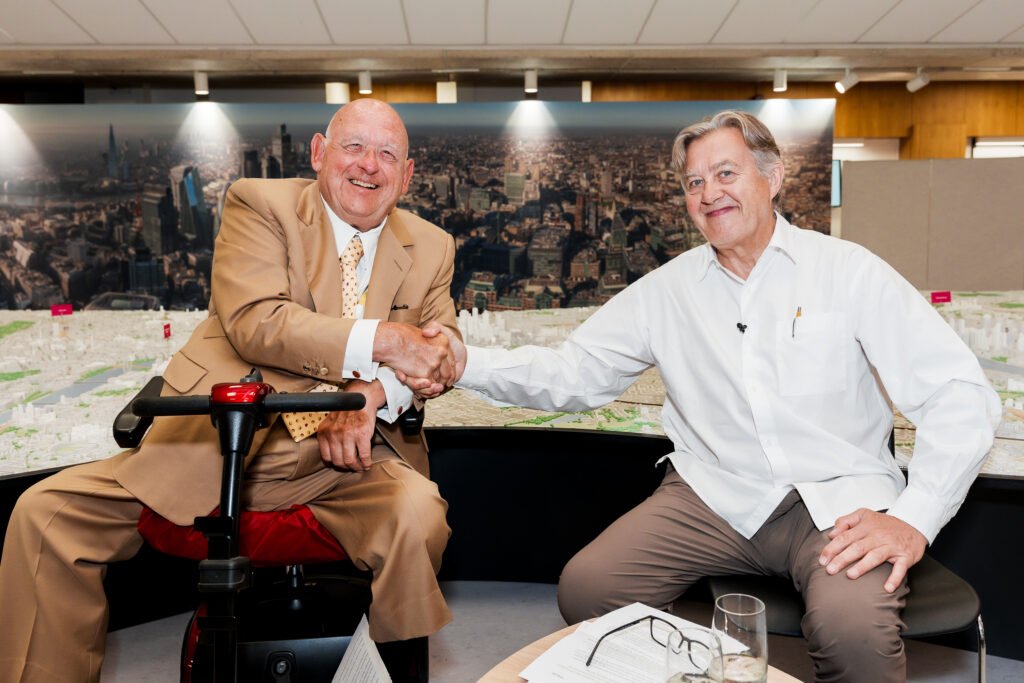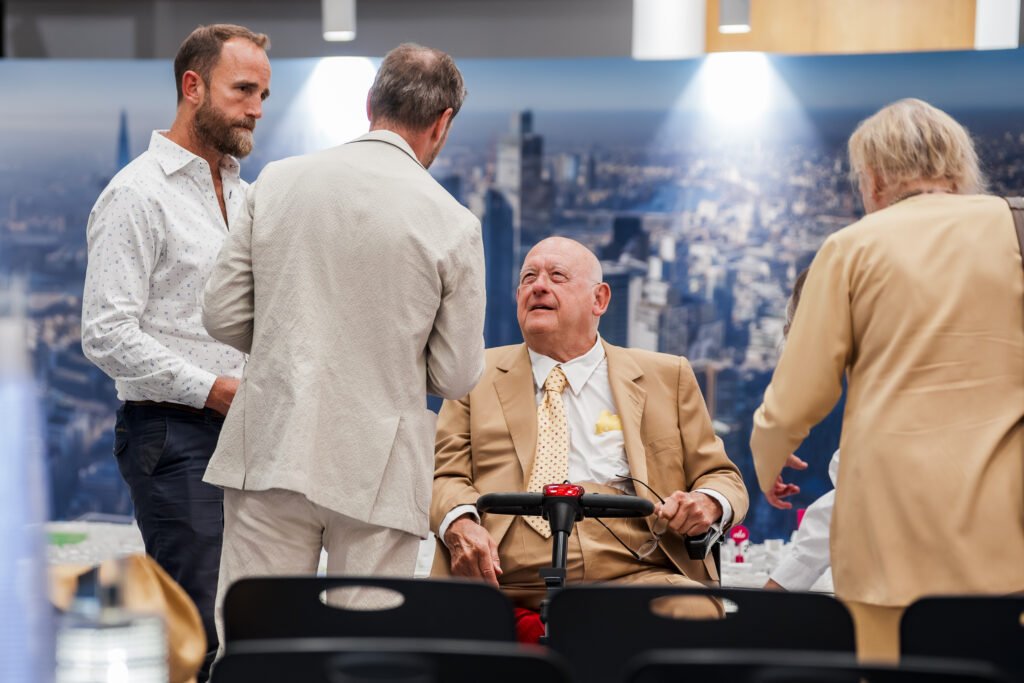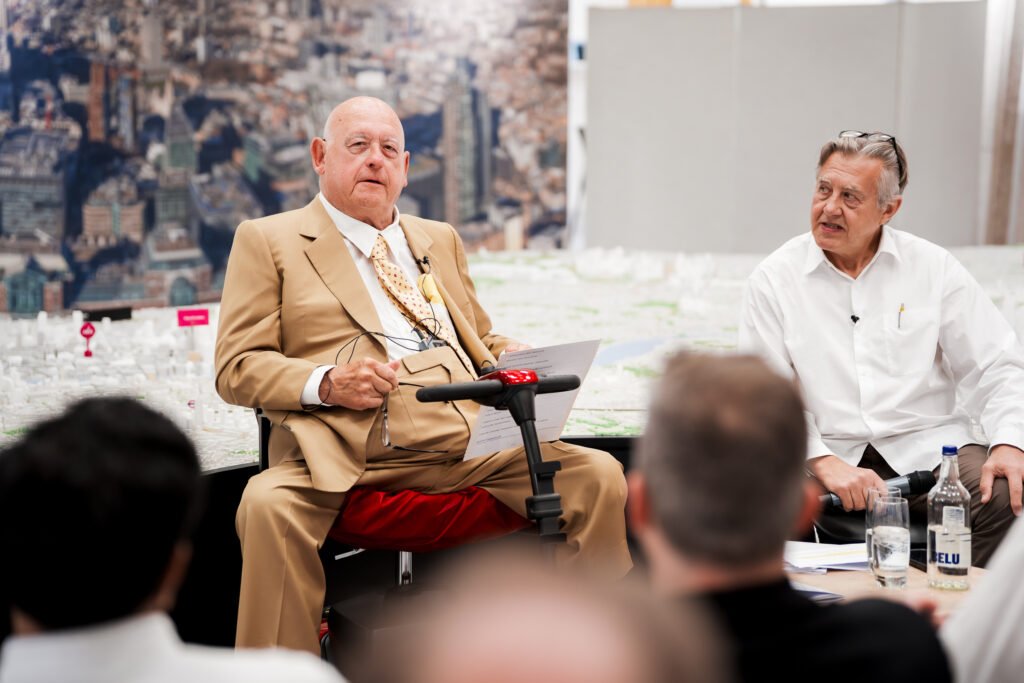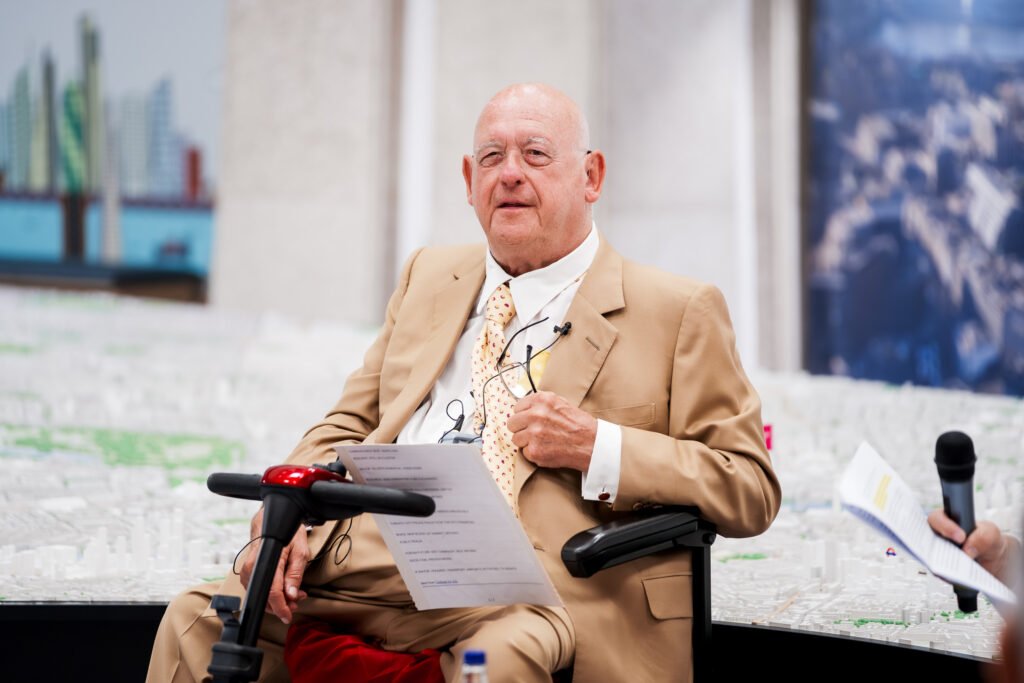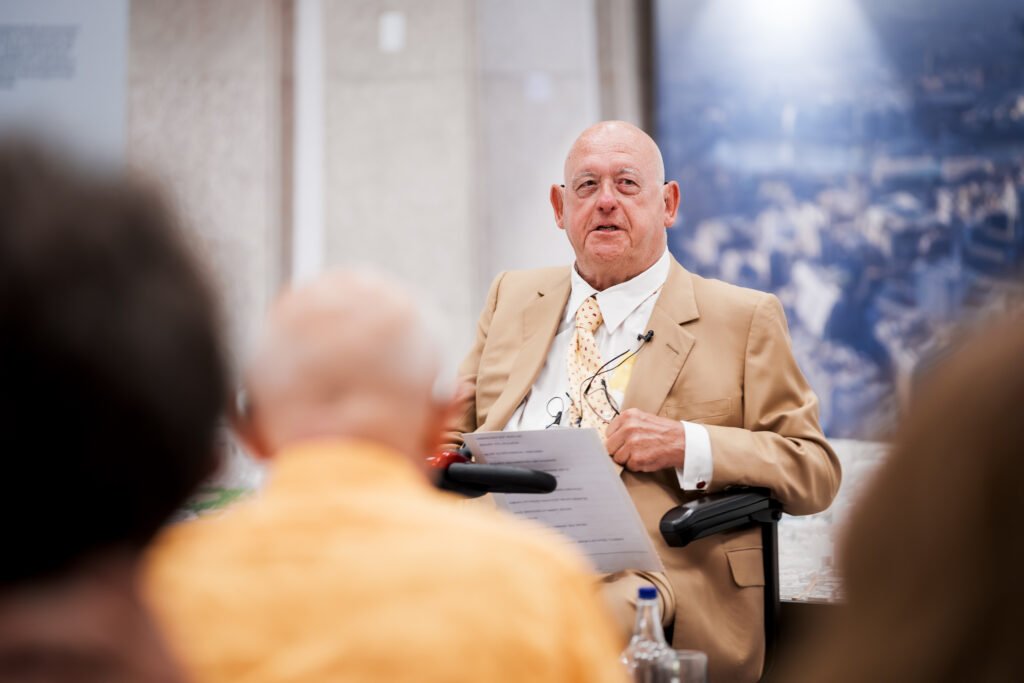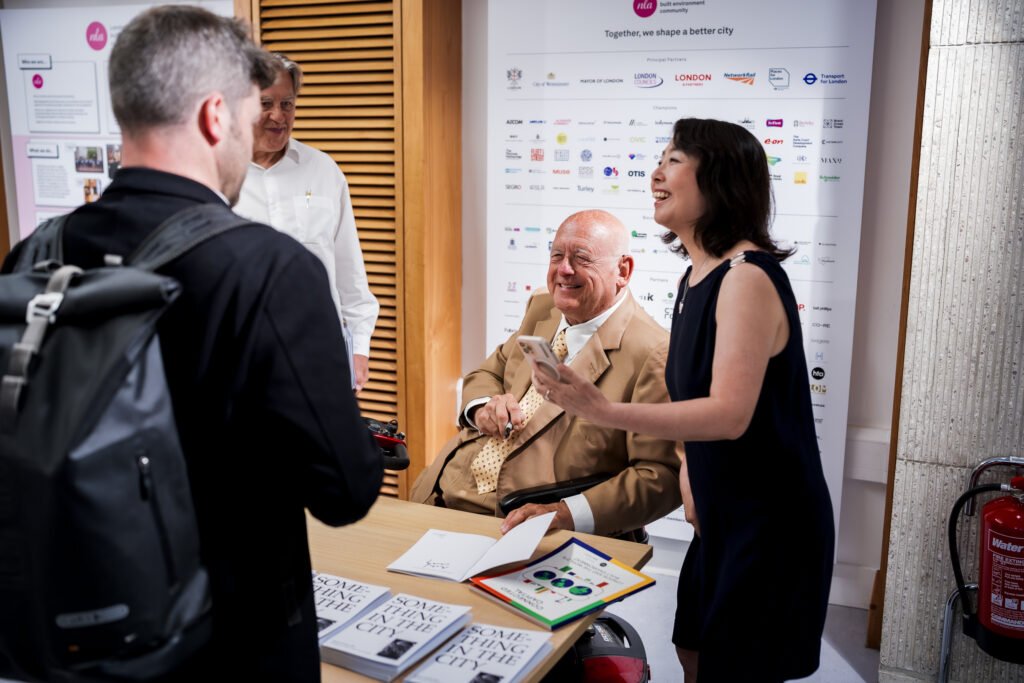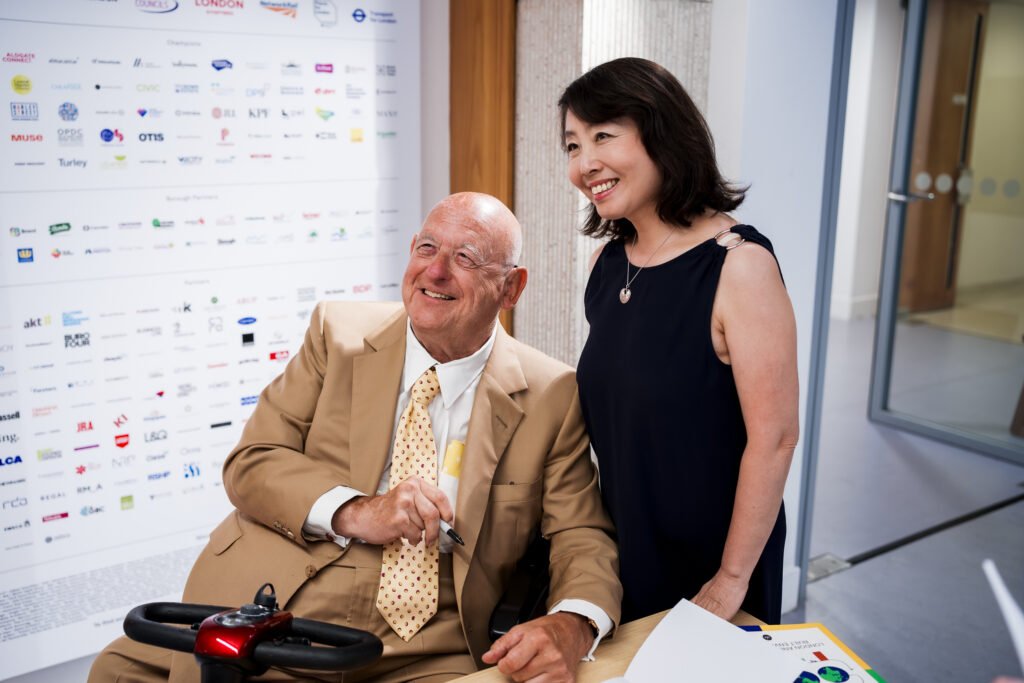


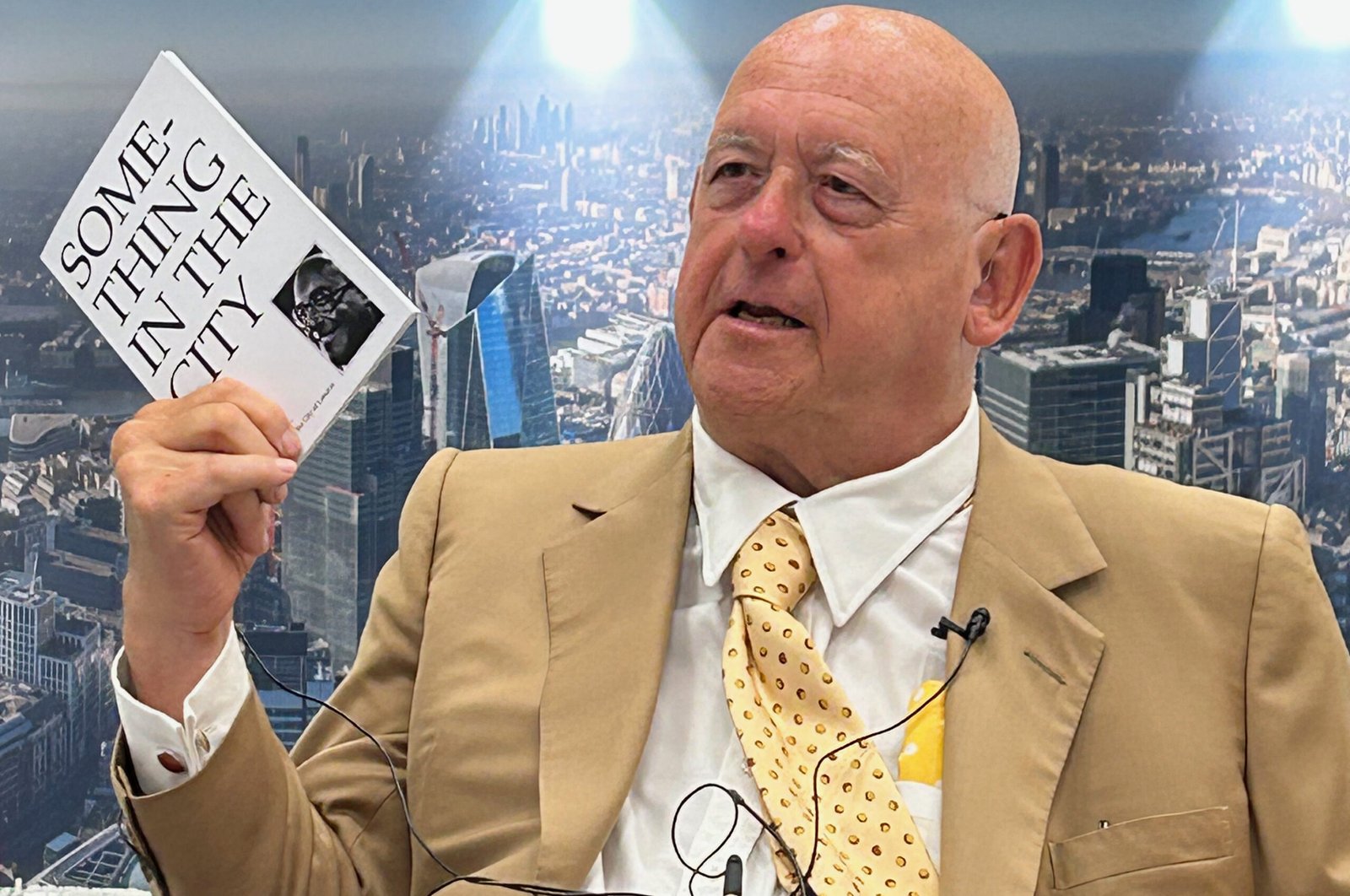
Something in the City - CAF’s founder Michael Cassidy, CBE, with his new memoir, celebrating the Forum’s 35th anniversary
Had Michael Cassidy been Mayor of London rather than ‘Something in the City’, we might now be living in a different city.
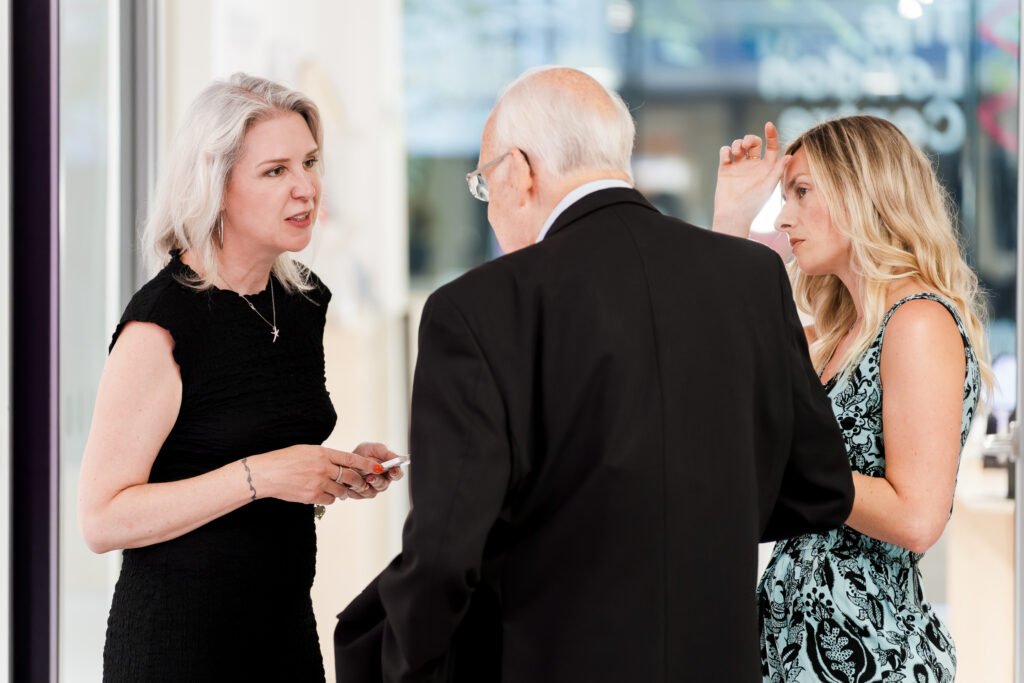
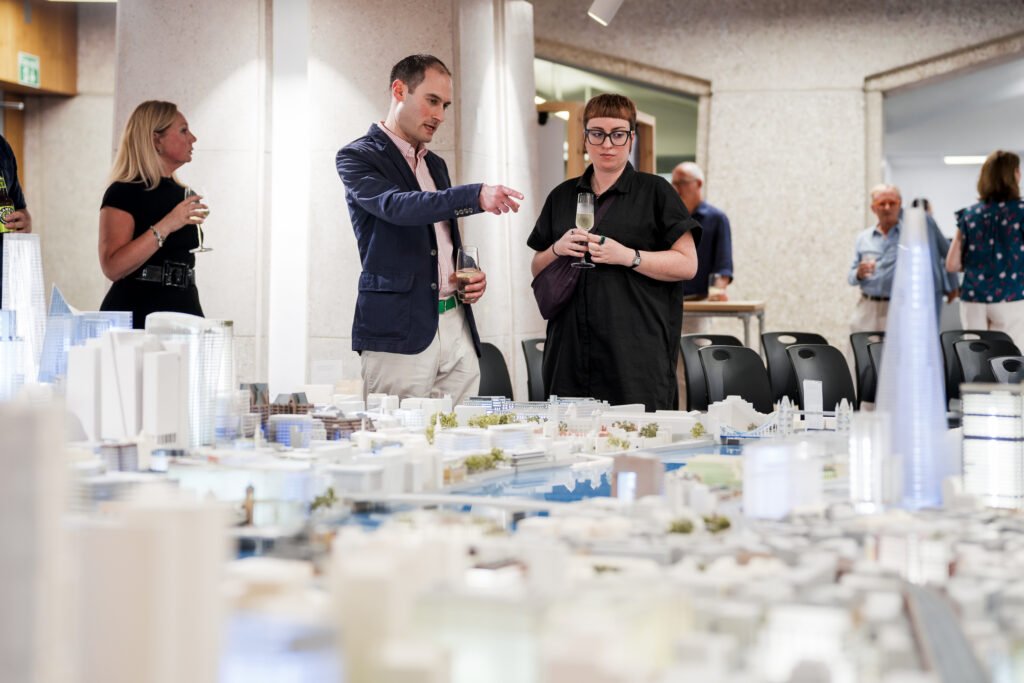
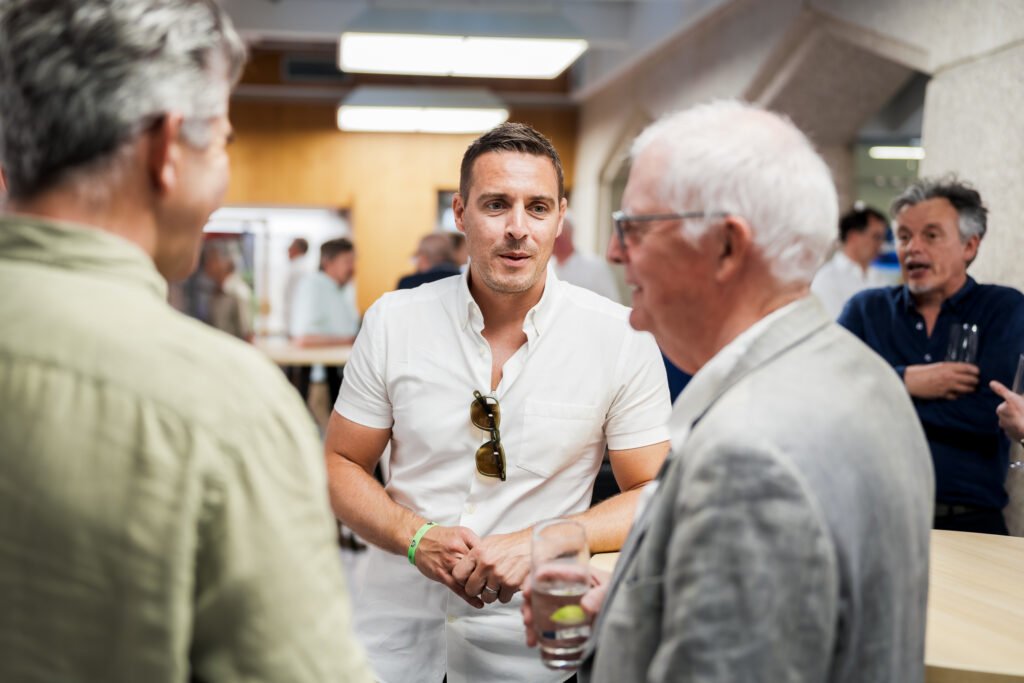
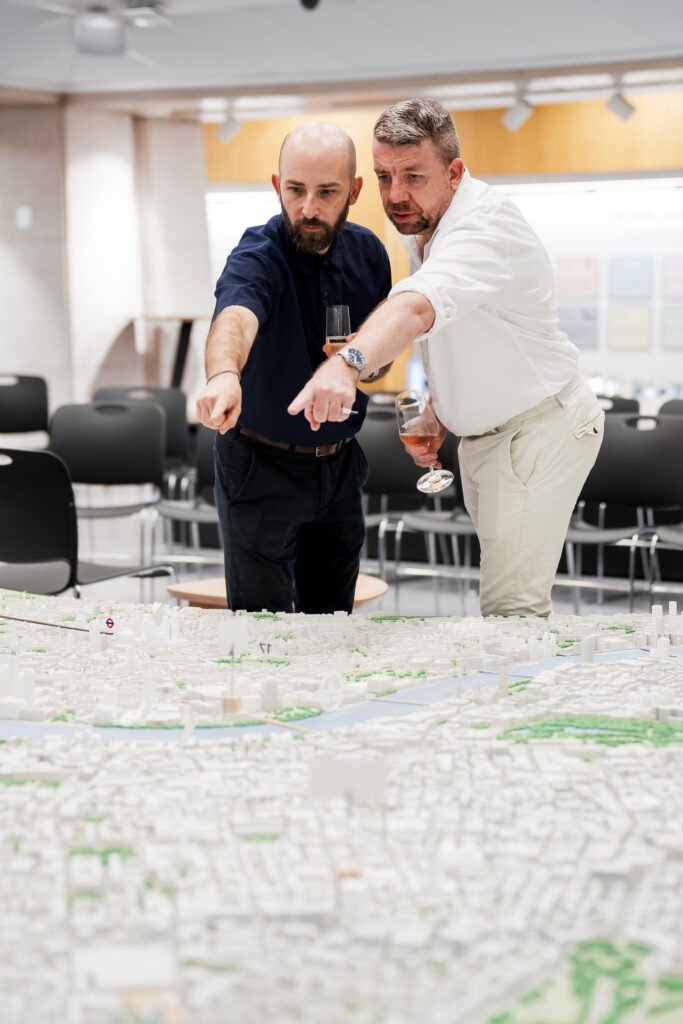
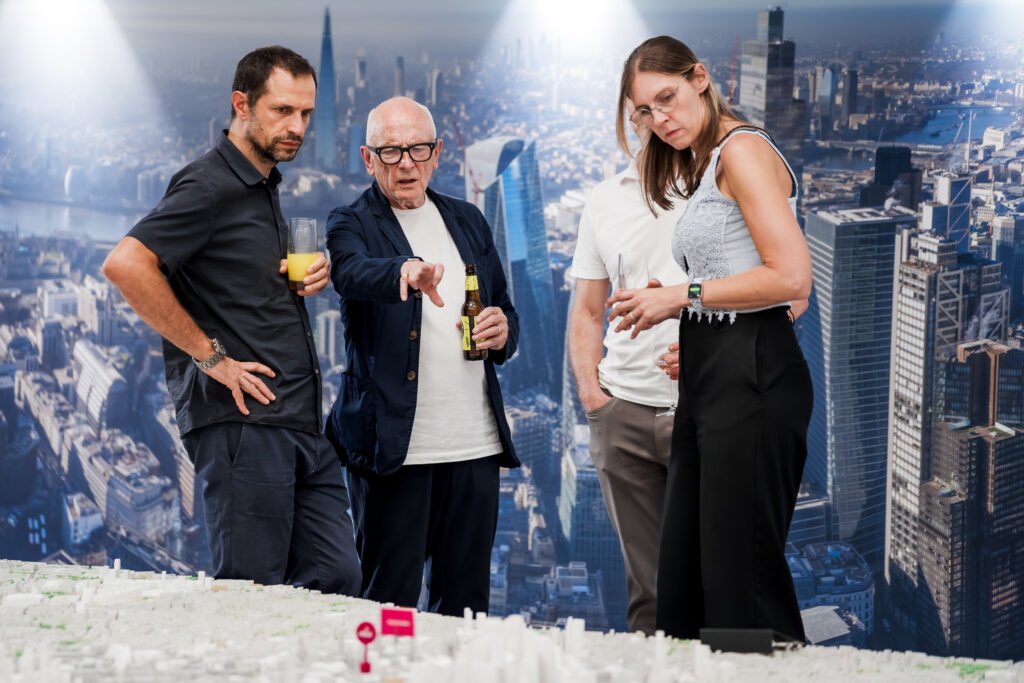
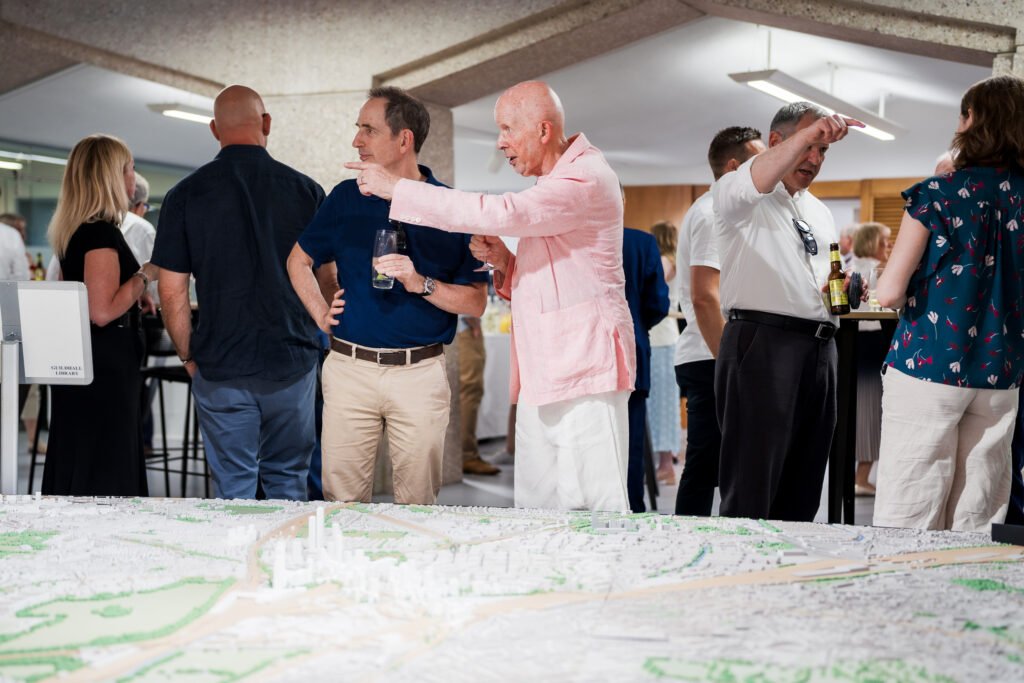
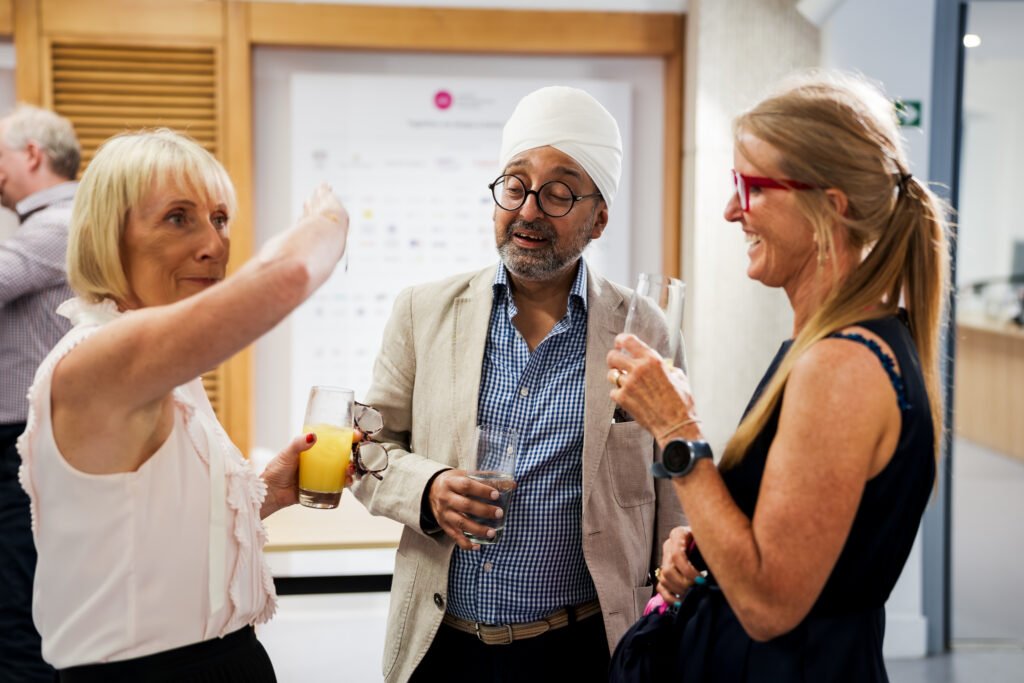
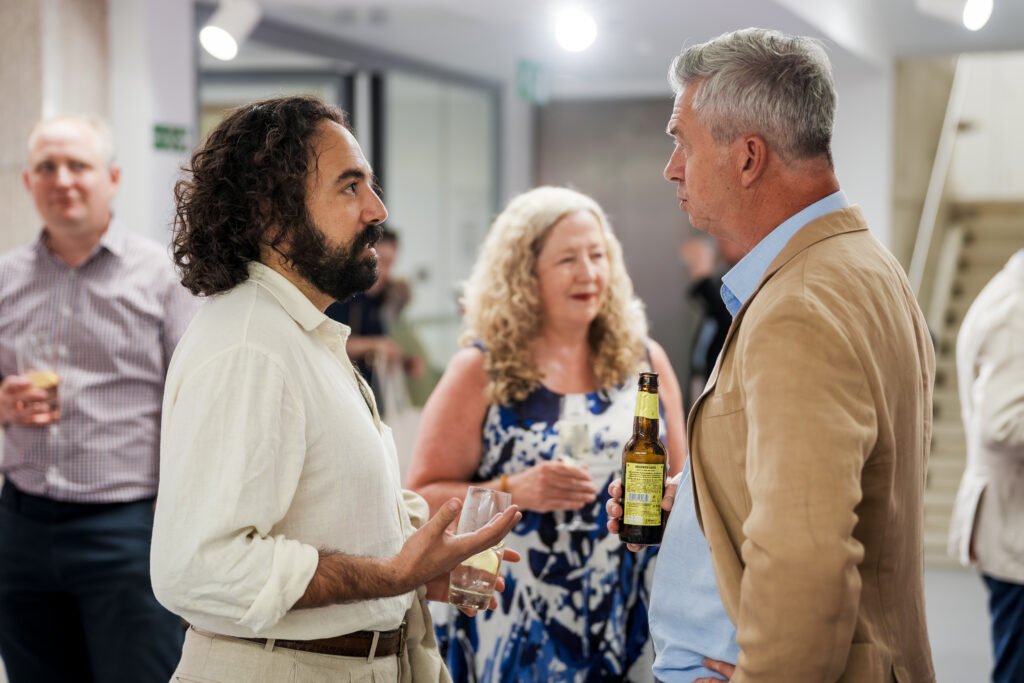
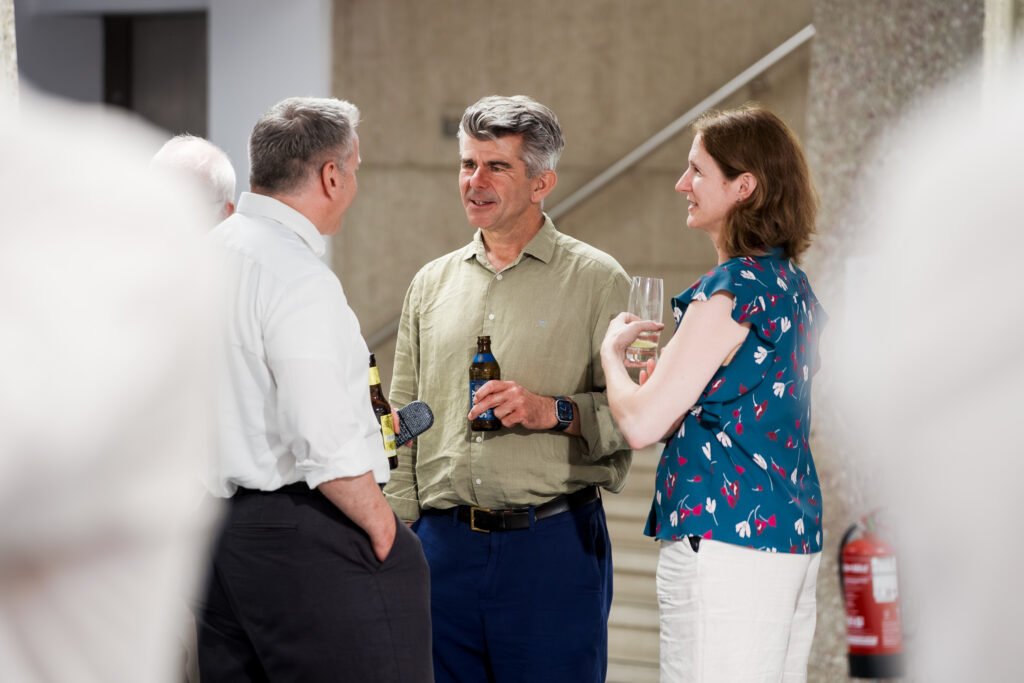
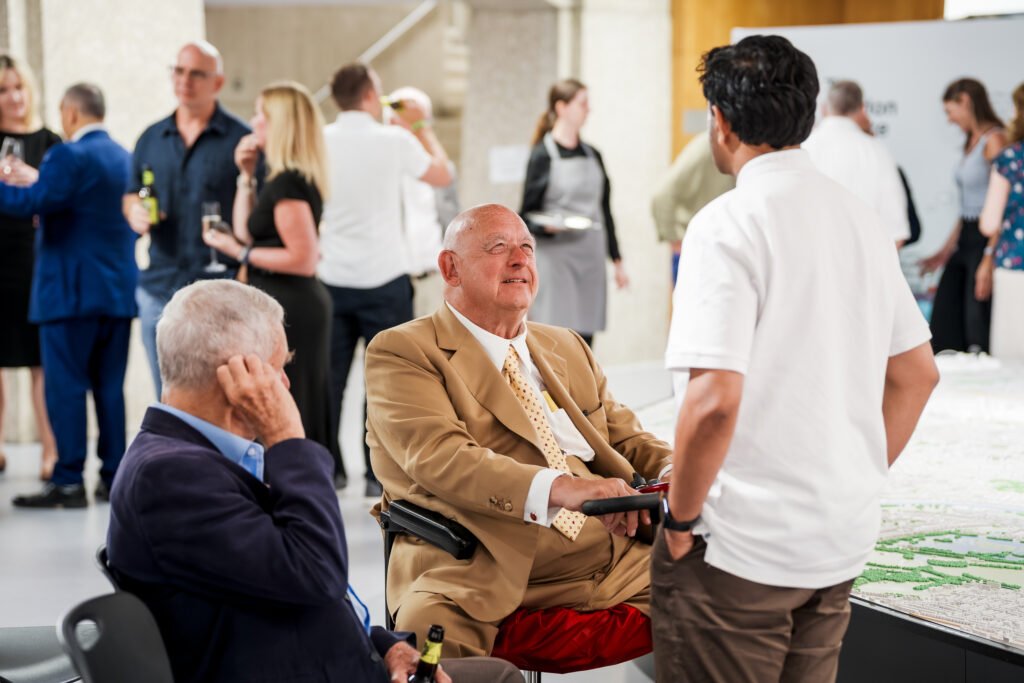
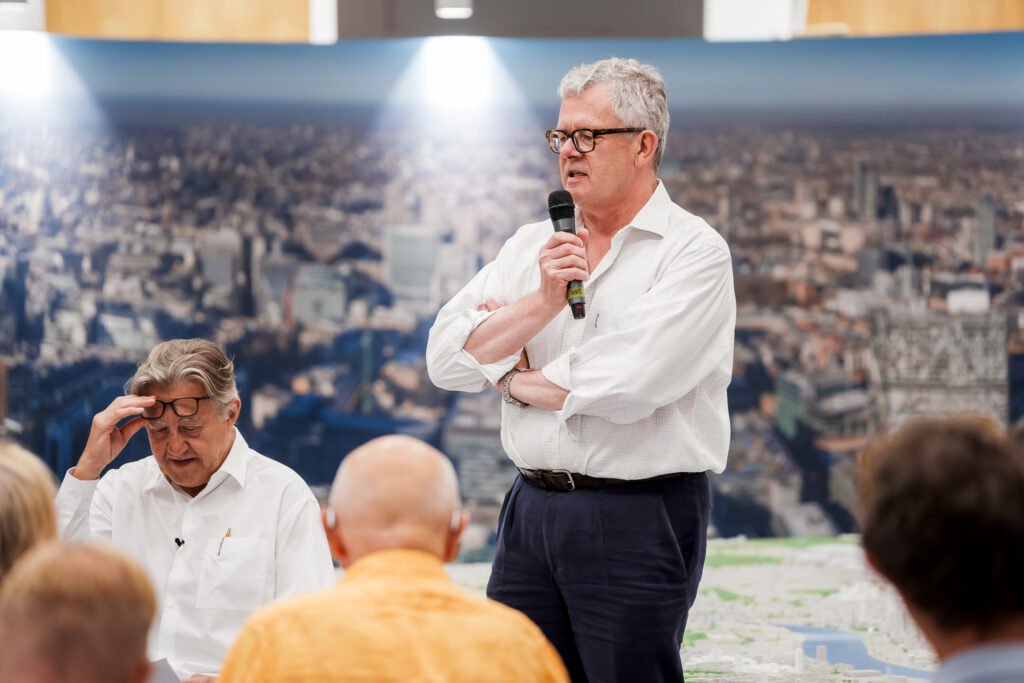
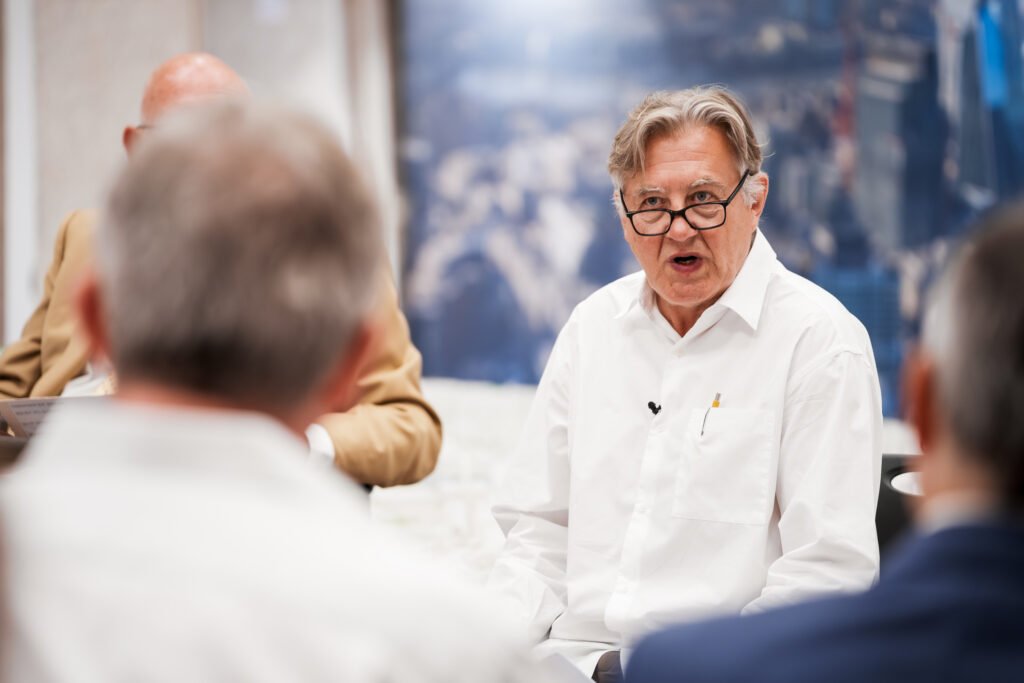
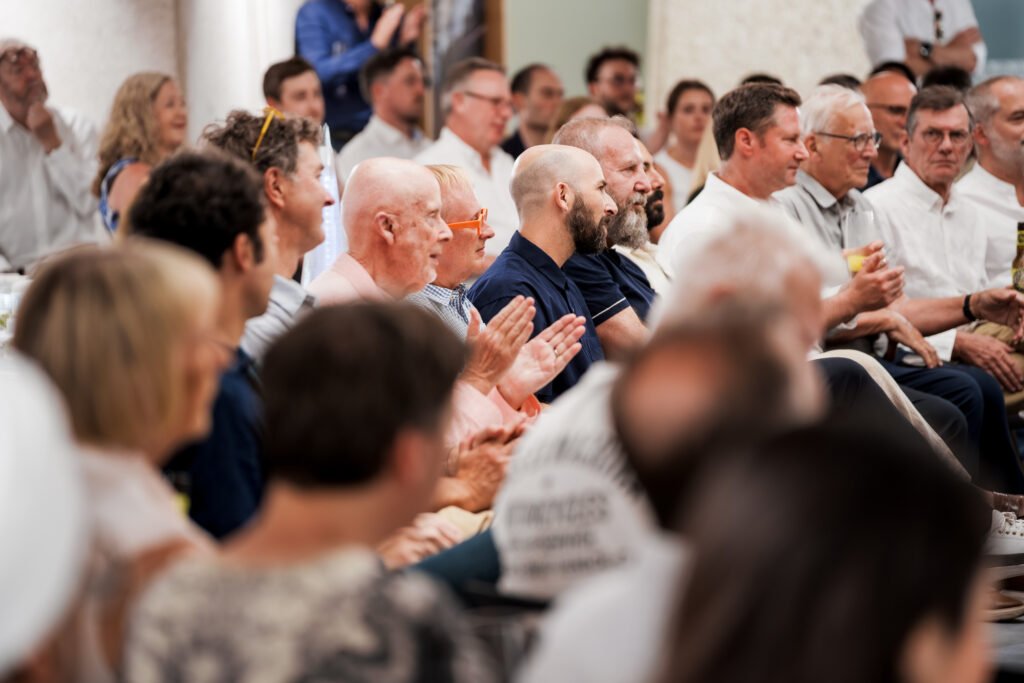
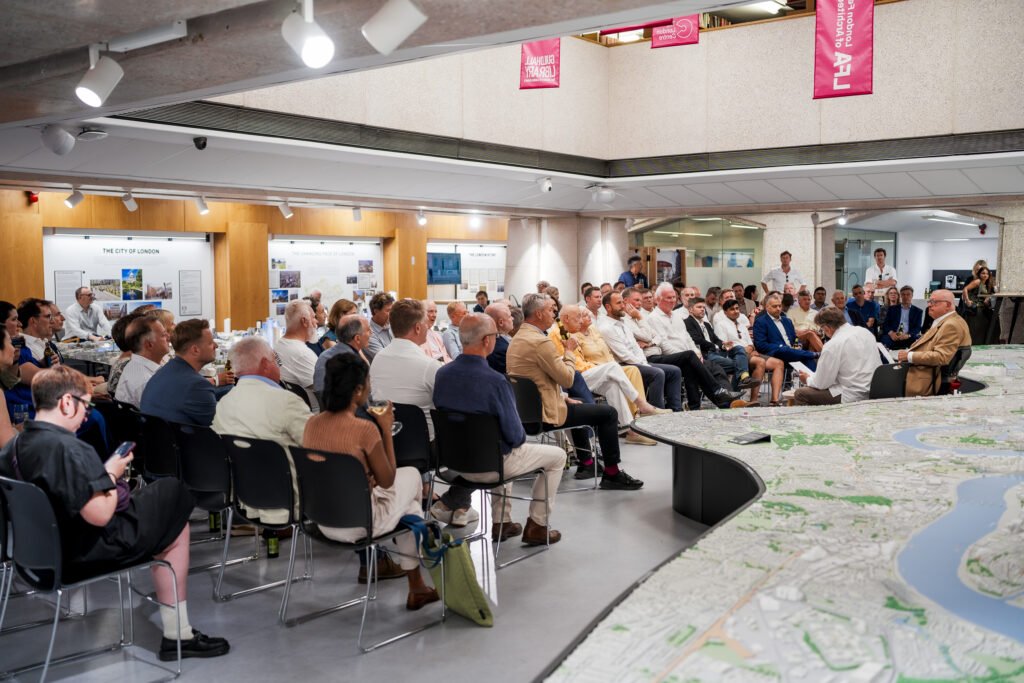
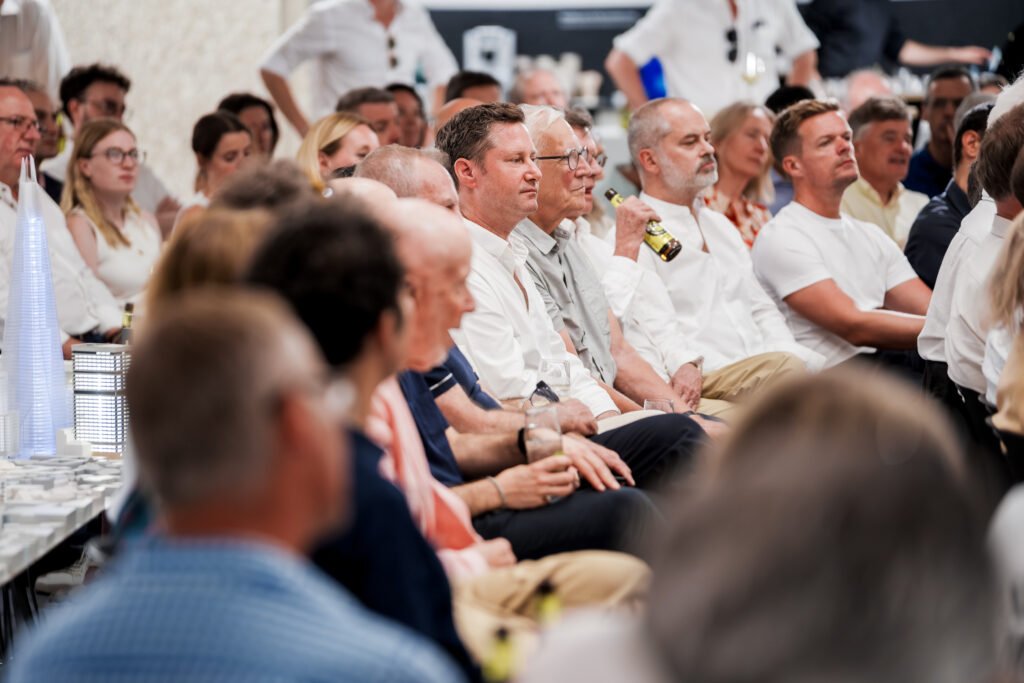
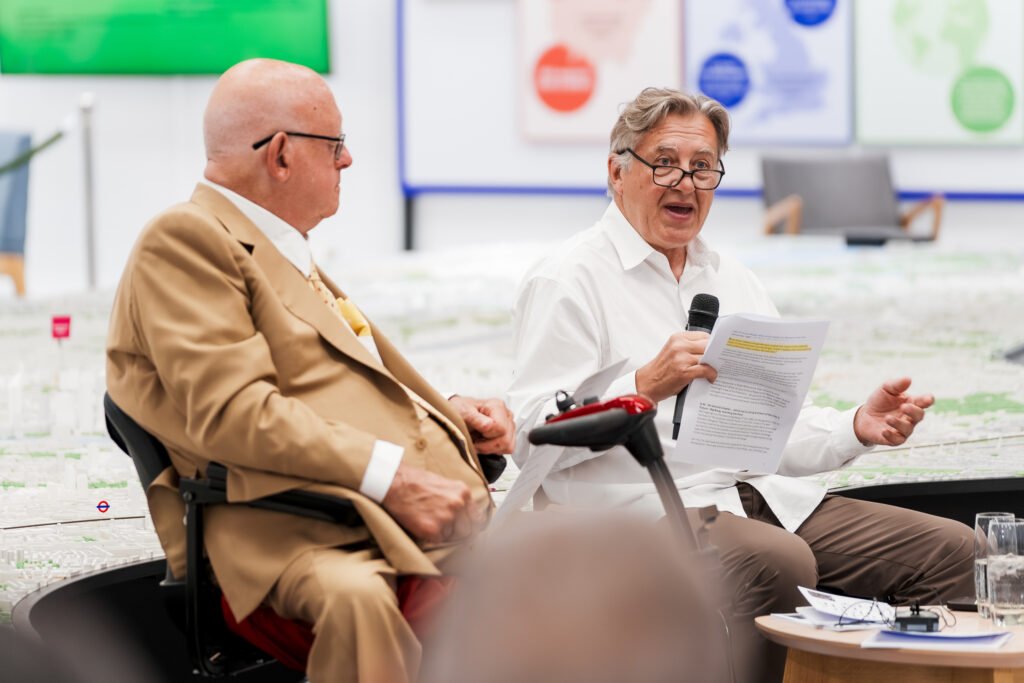
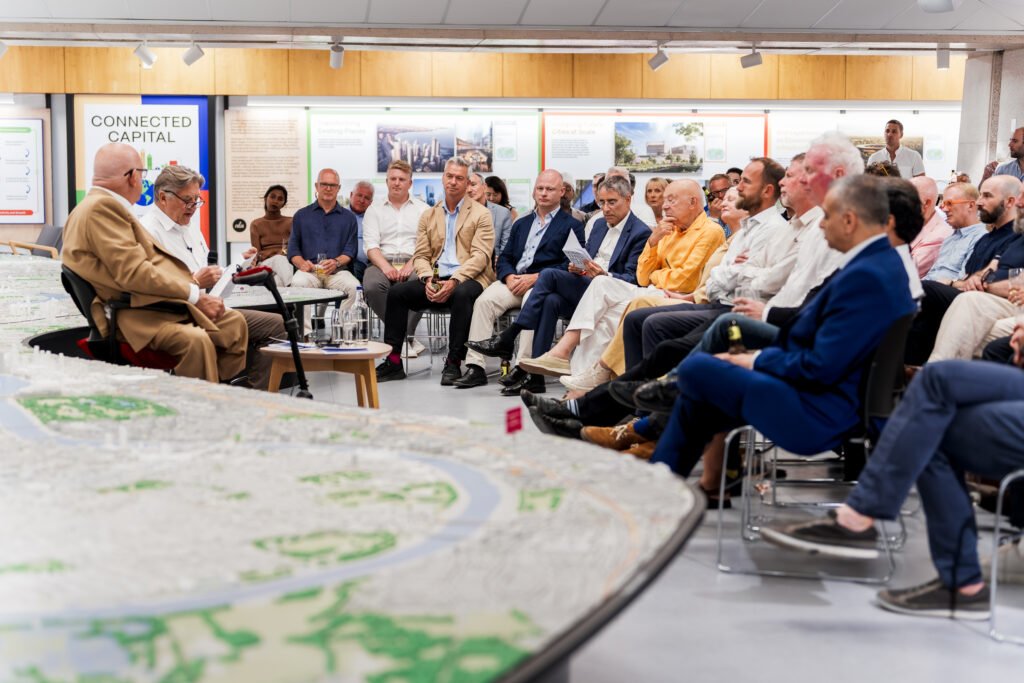
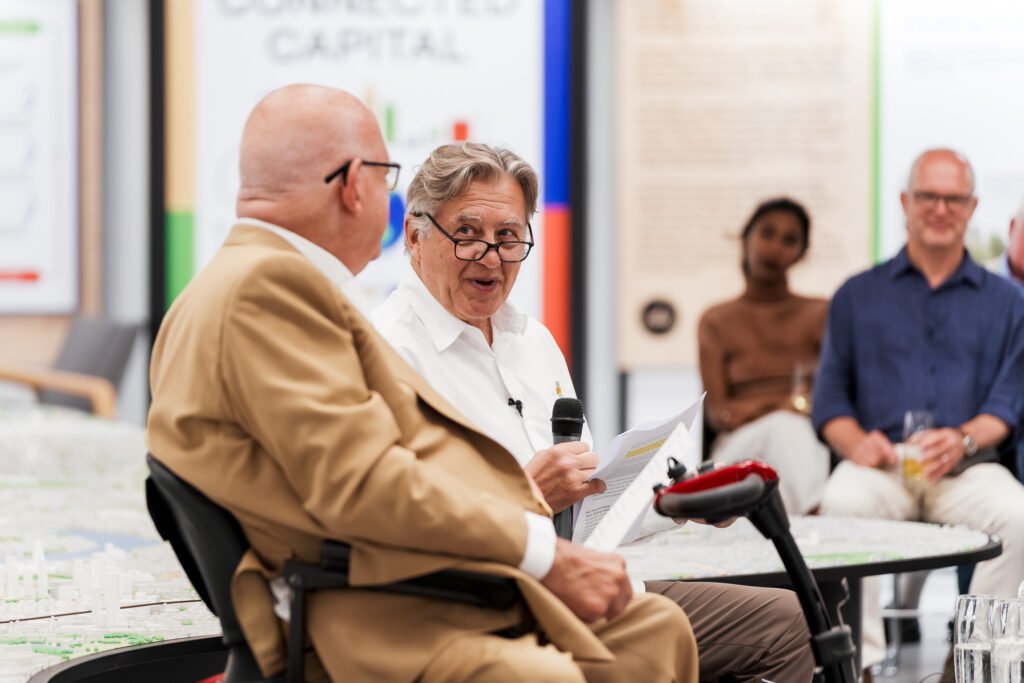
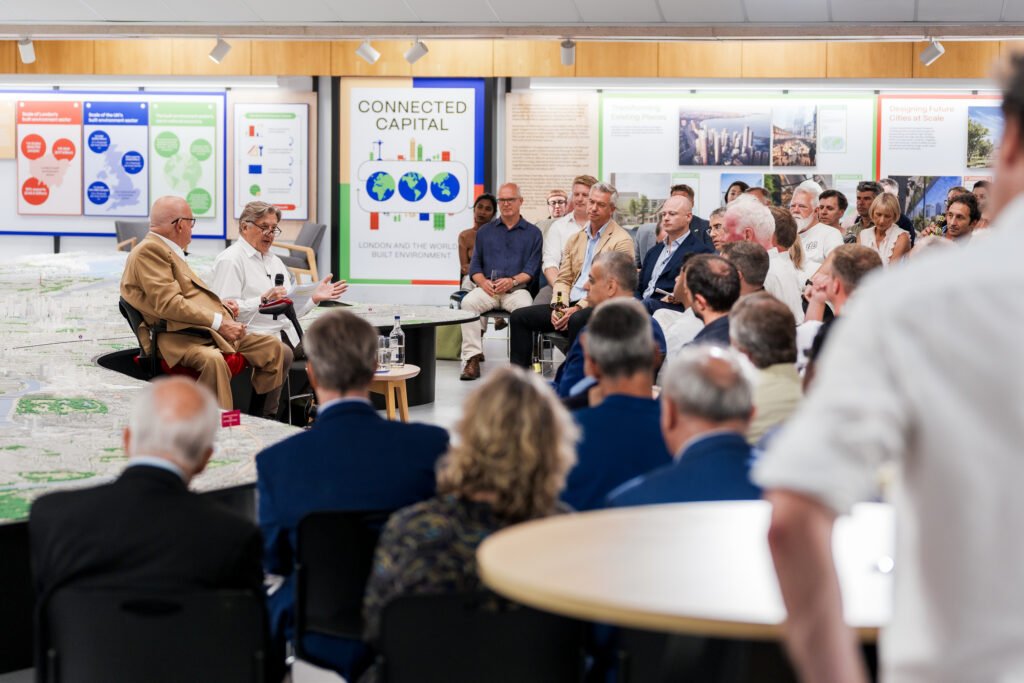
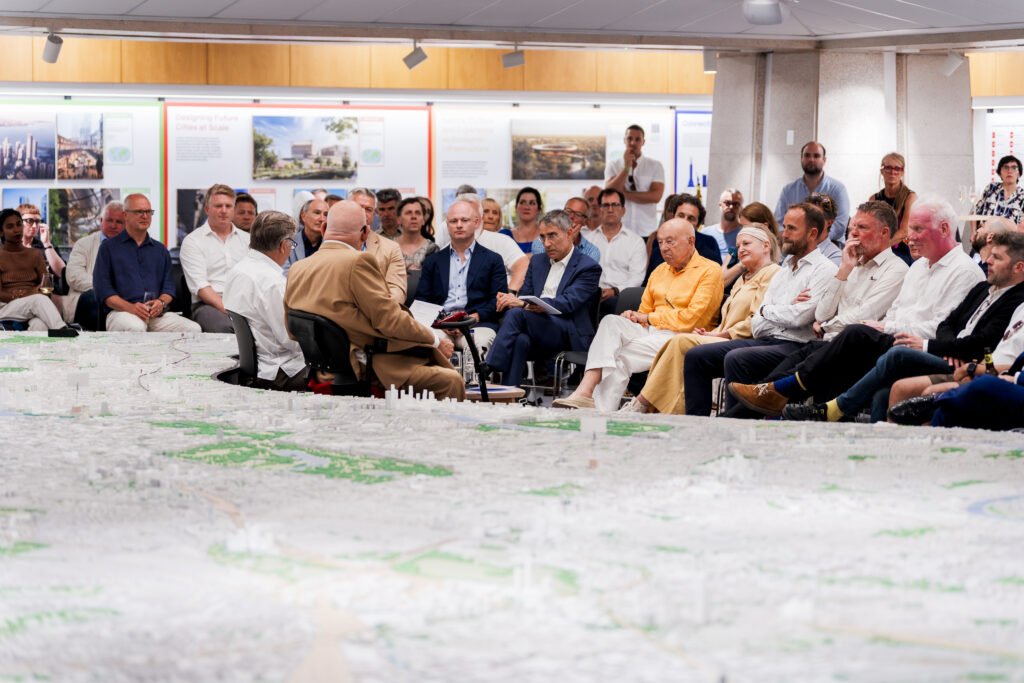
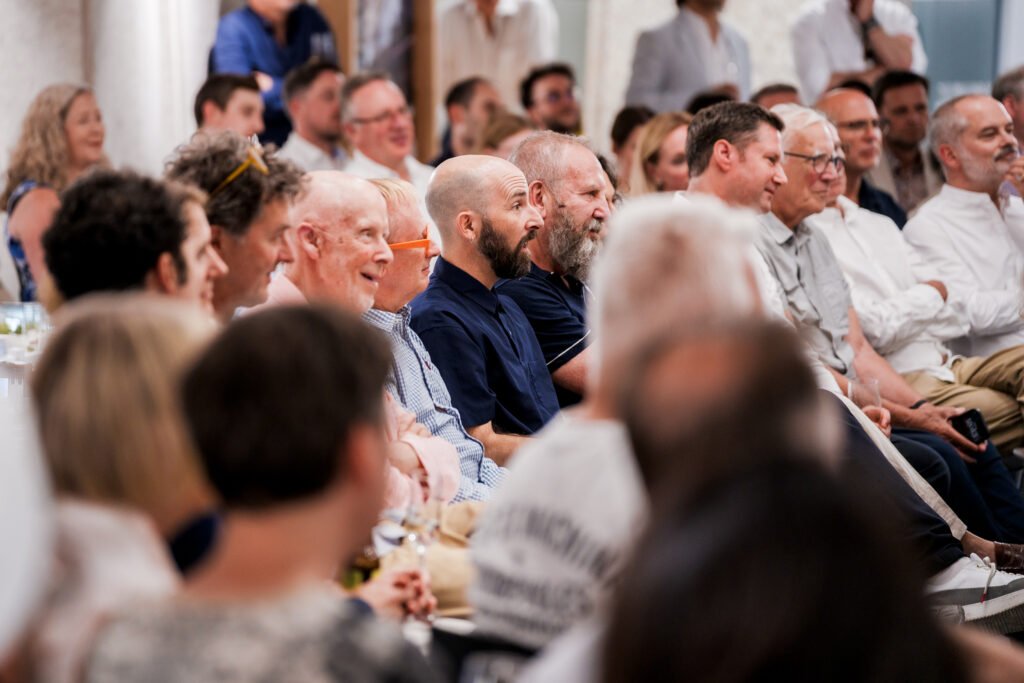
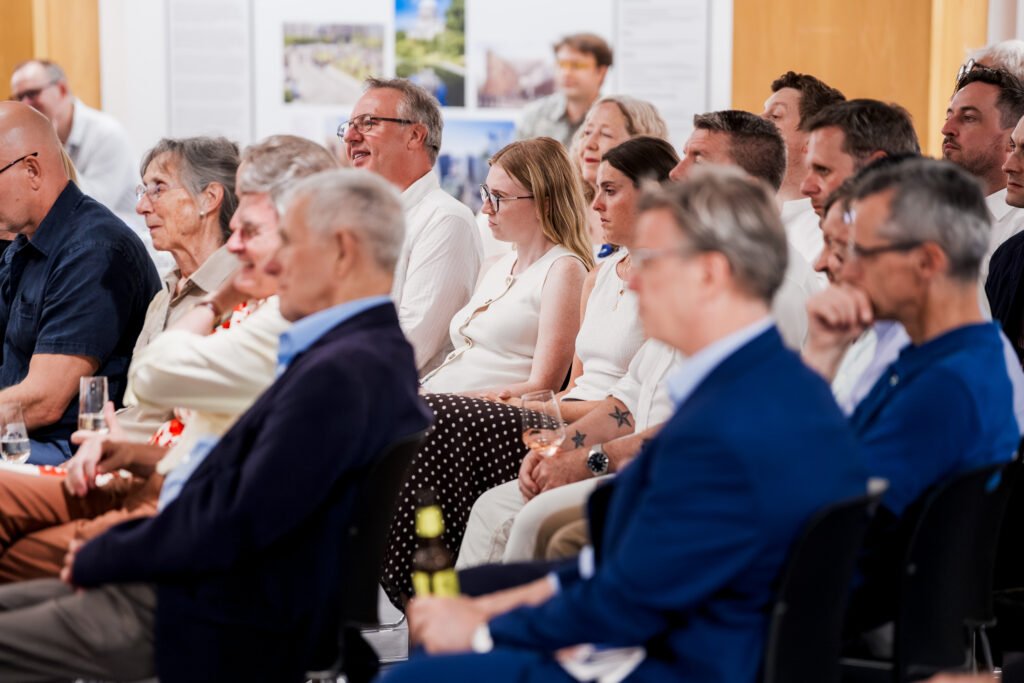
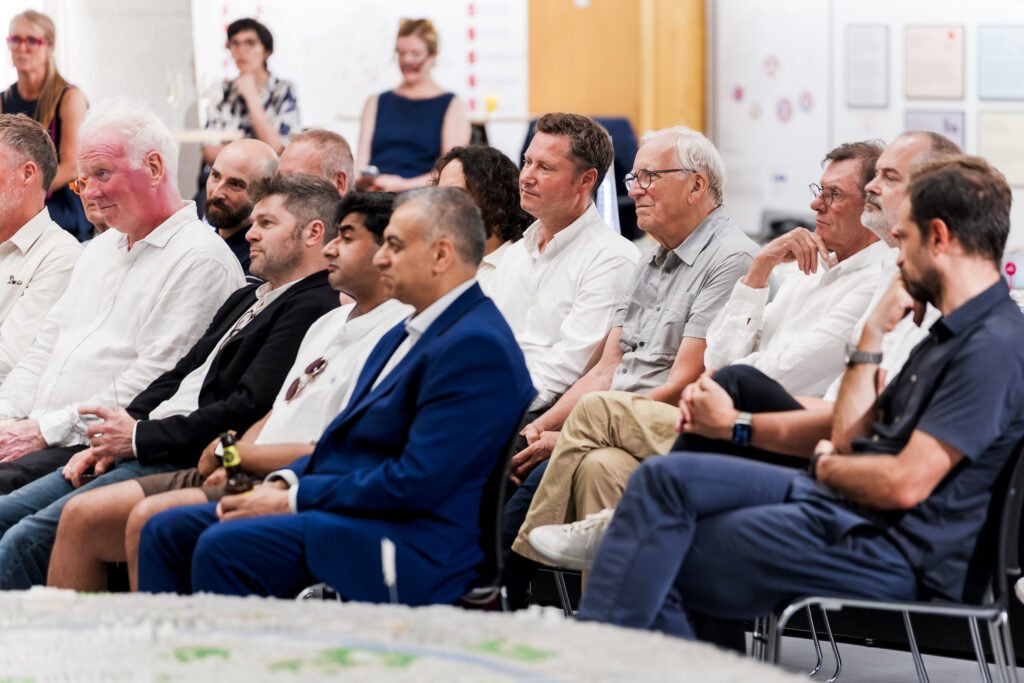
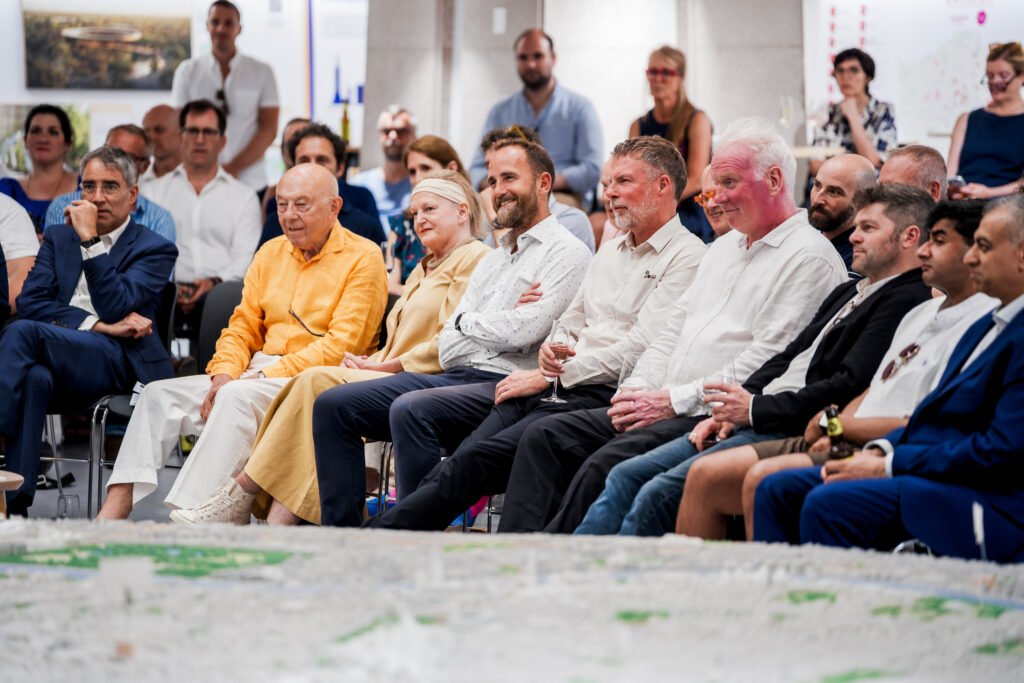
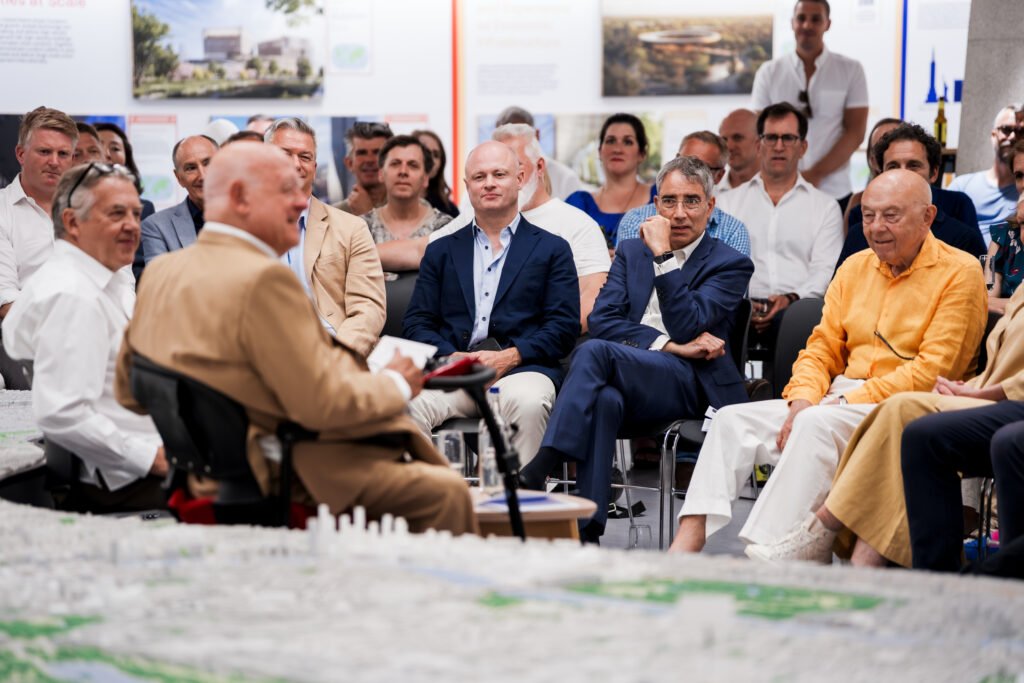
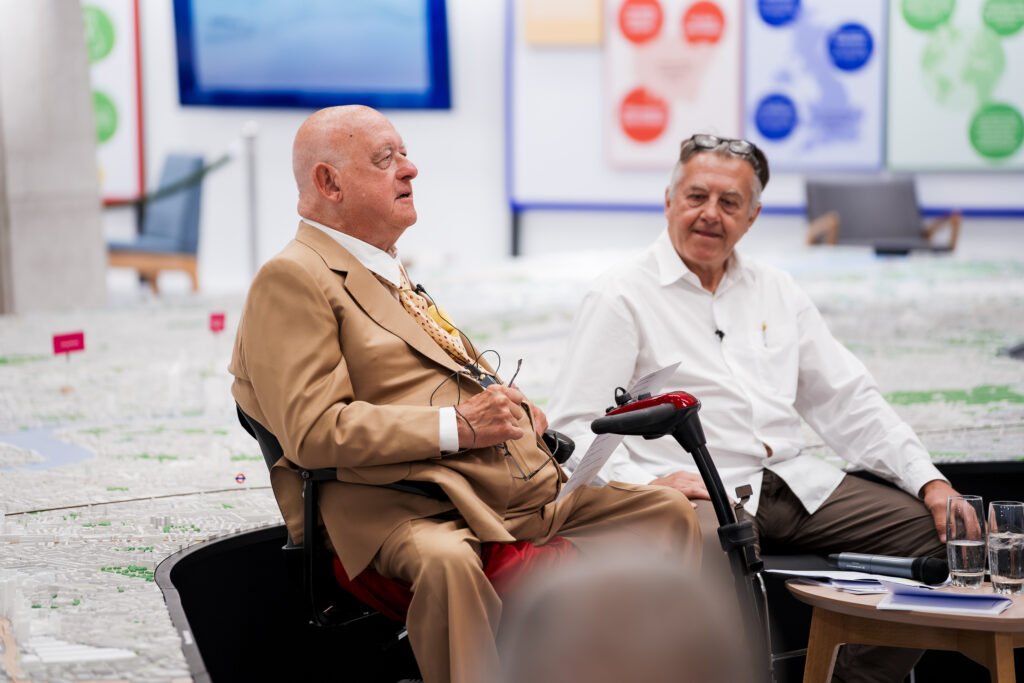
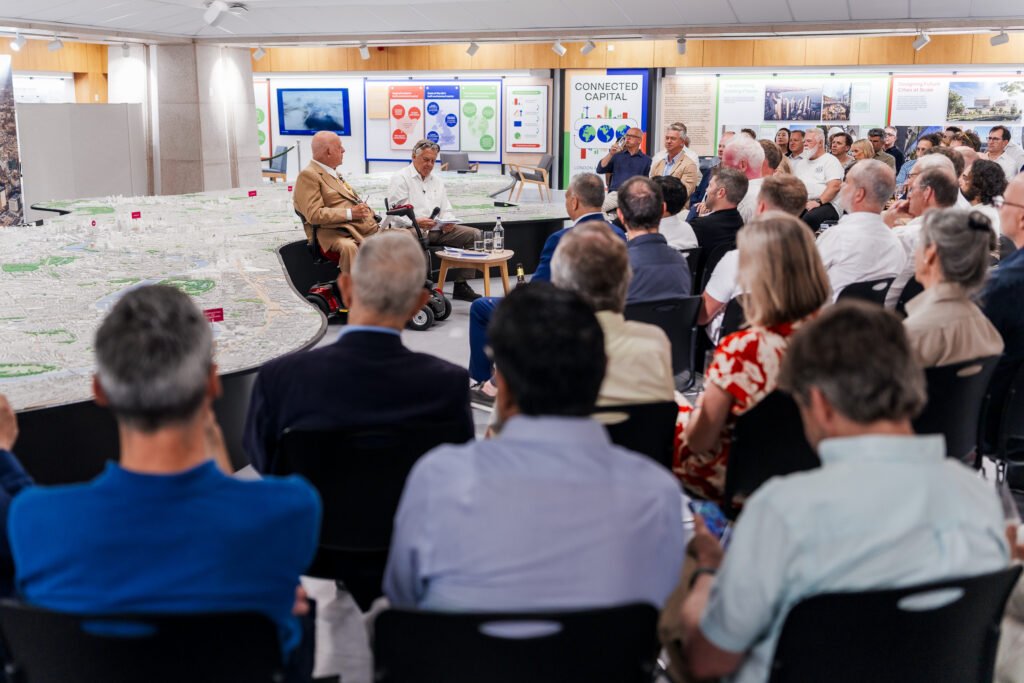
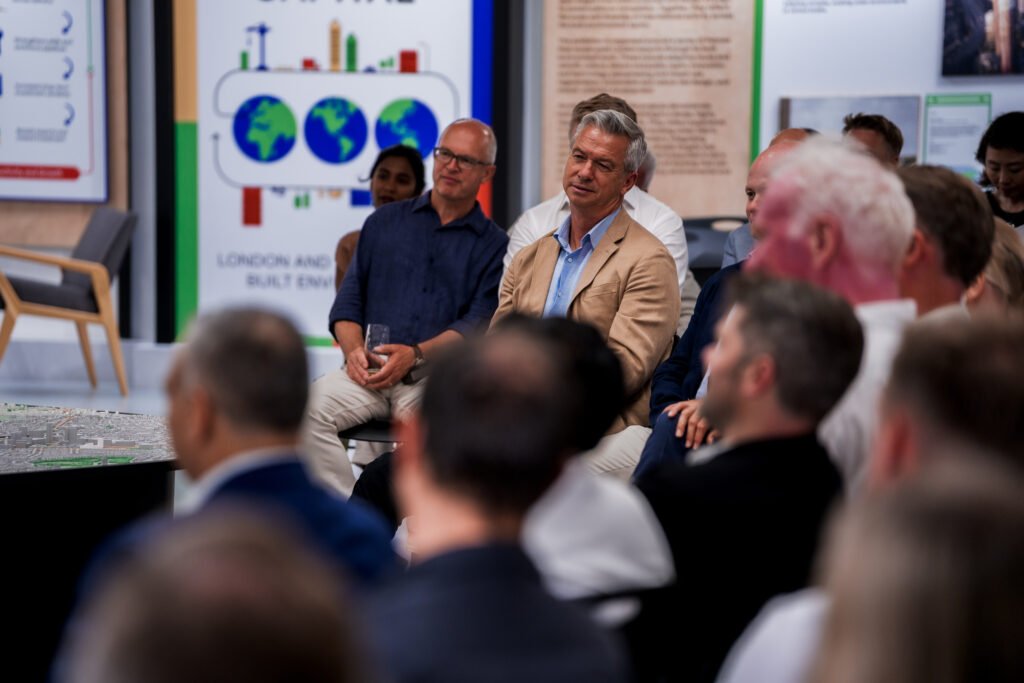
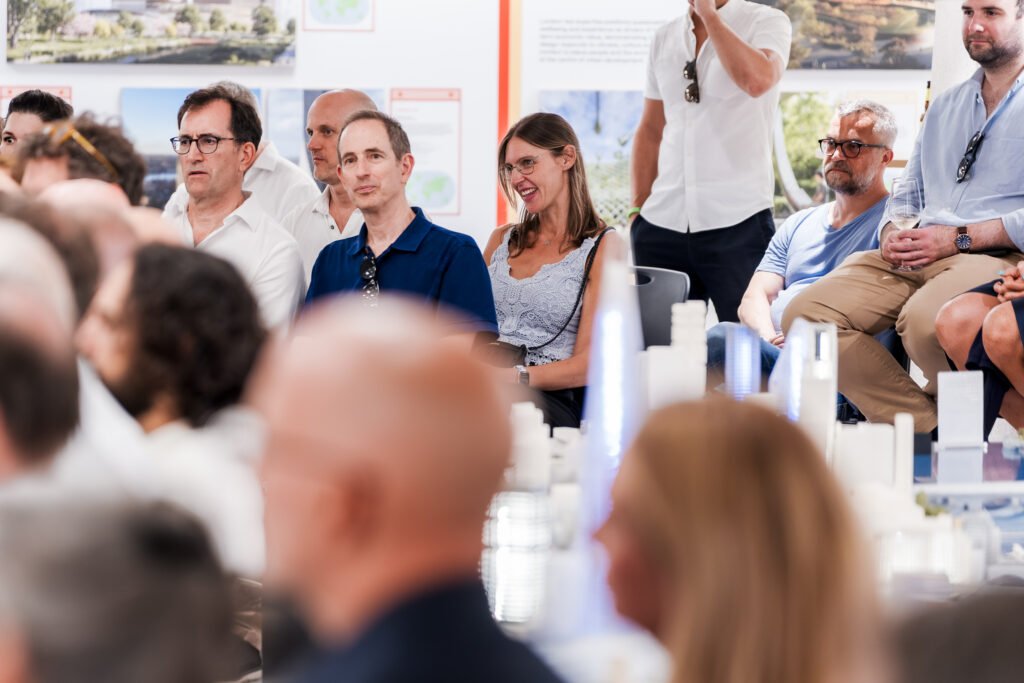
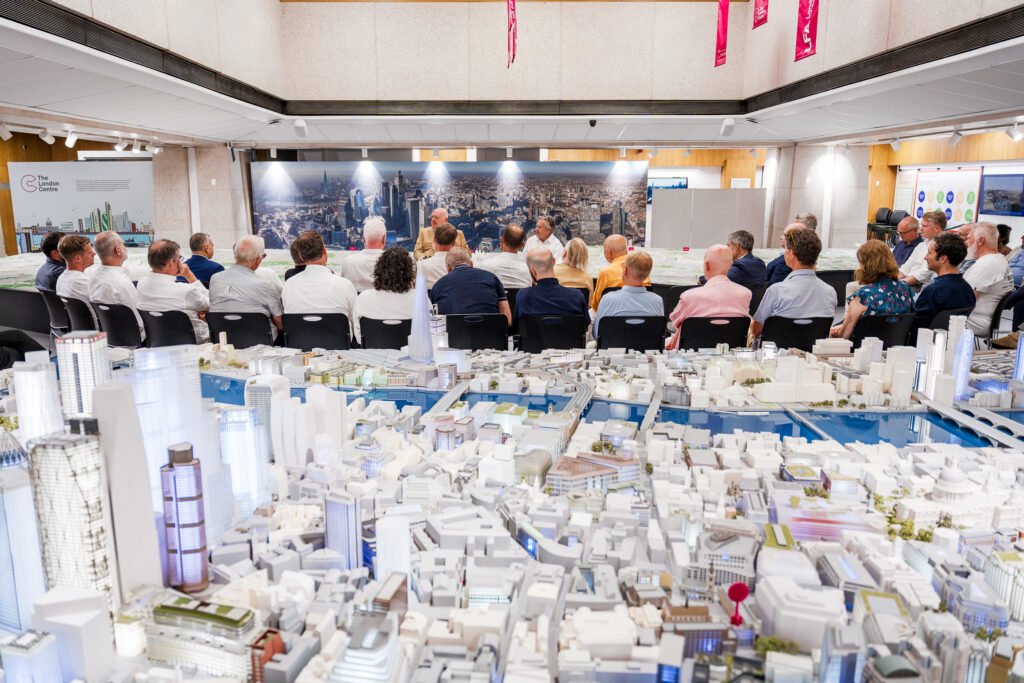
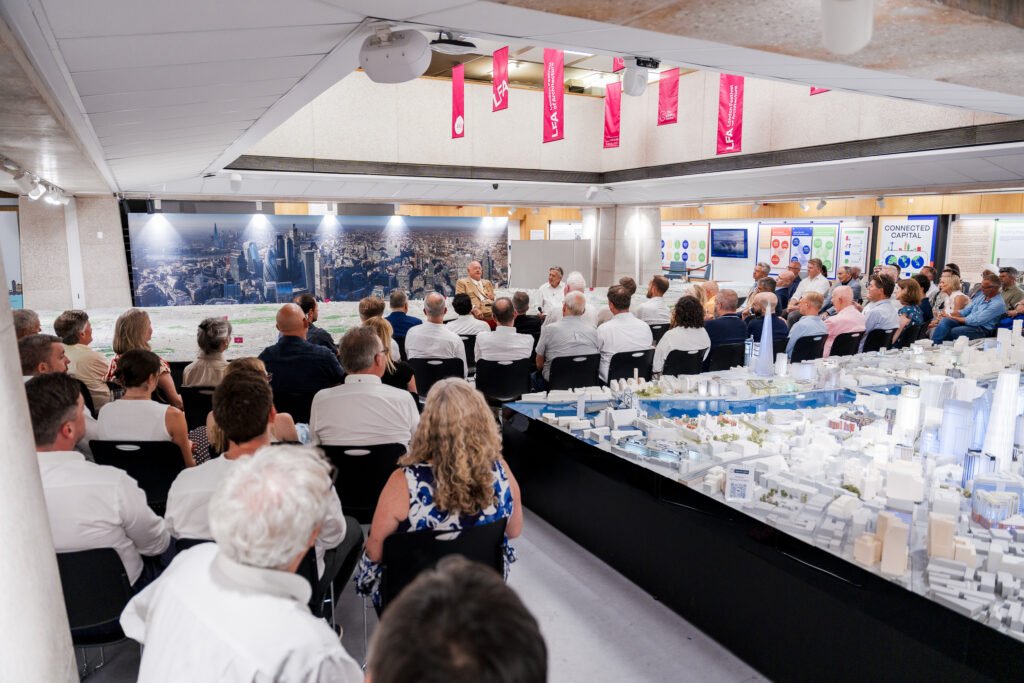
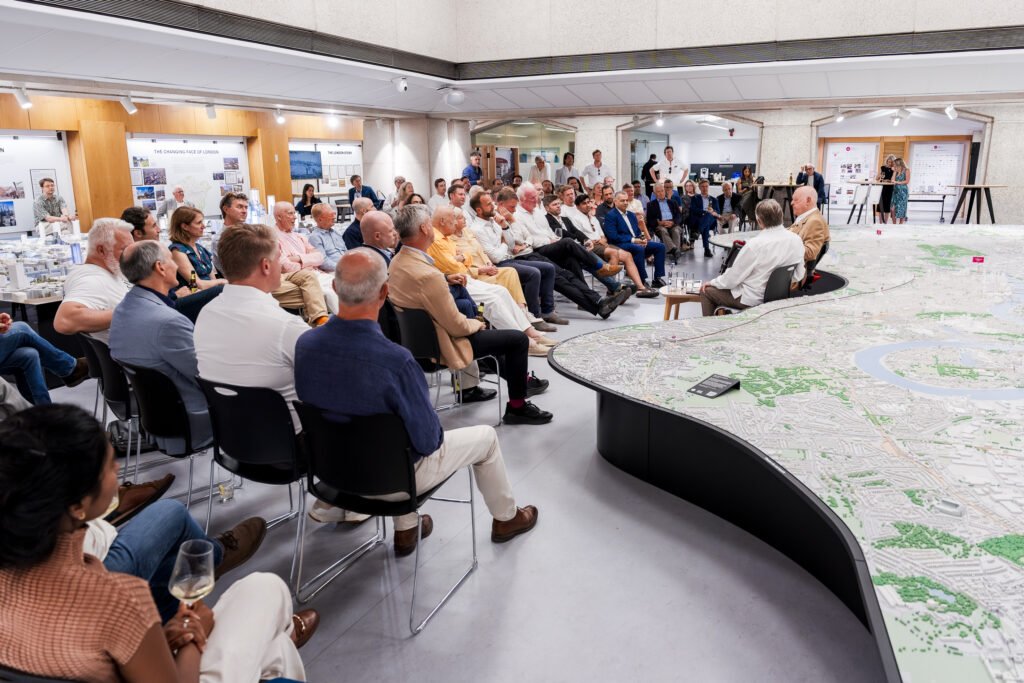
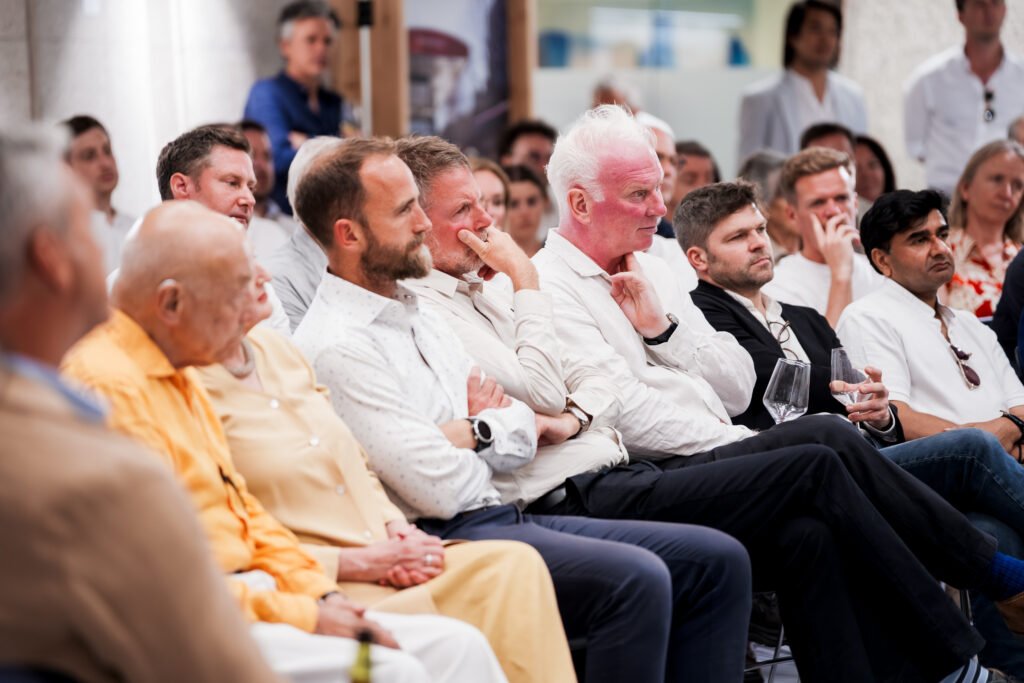
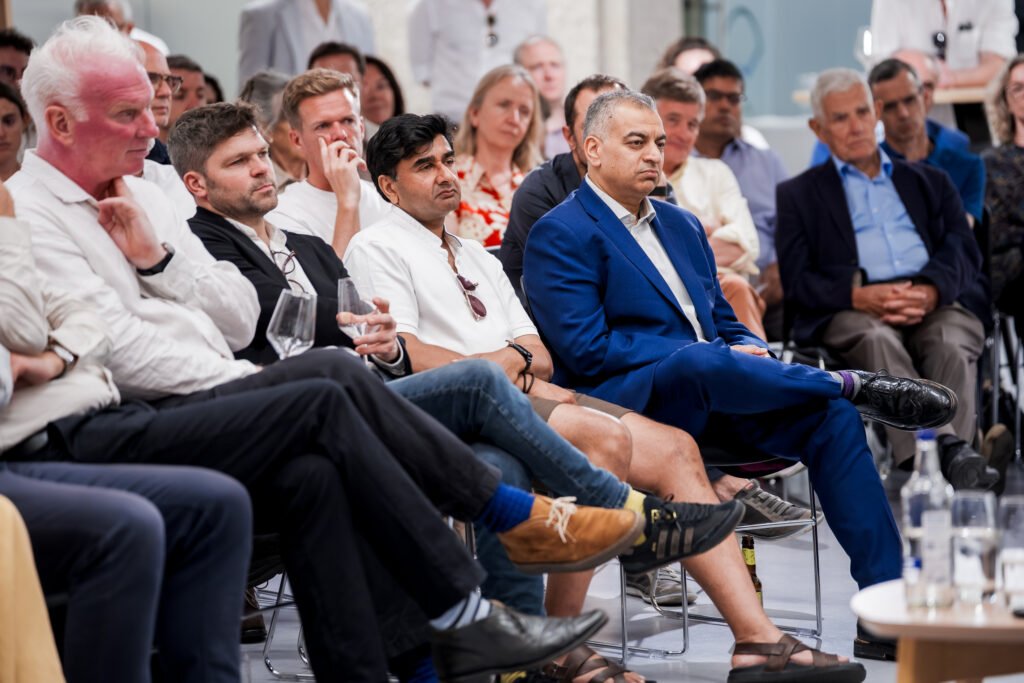
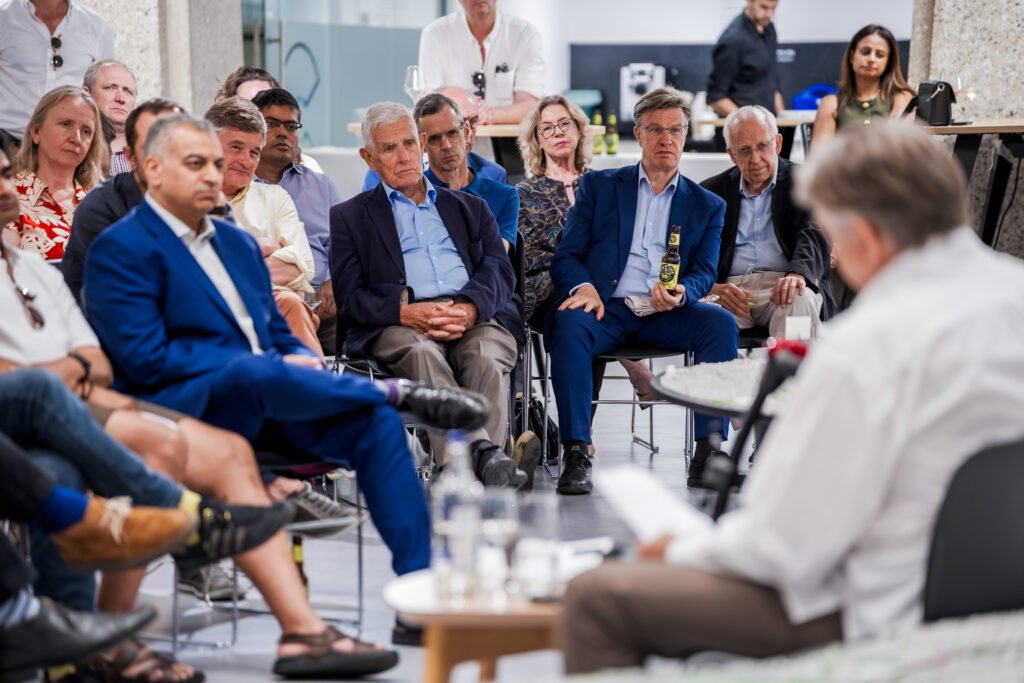
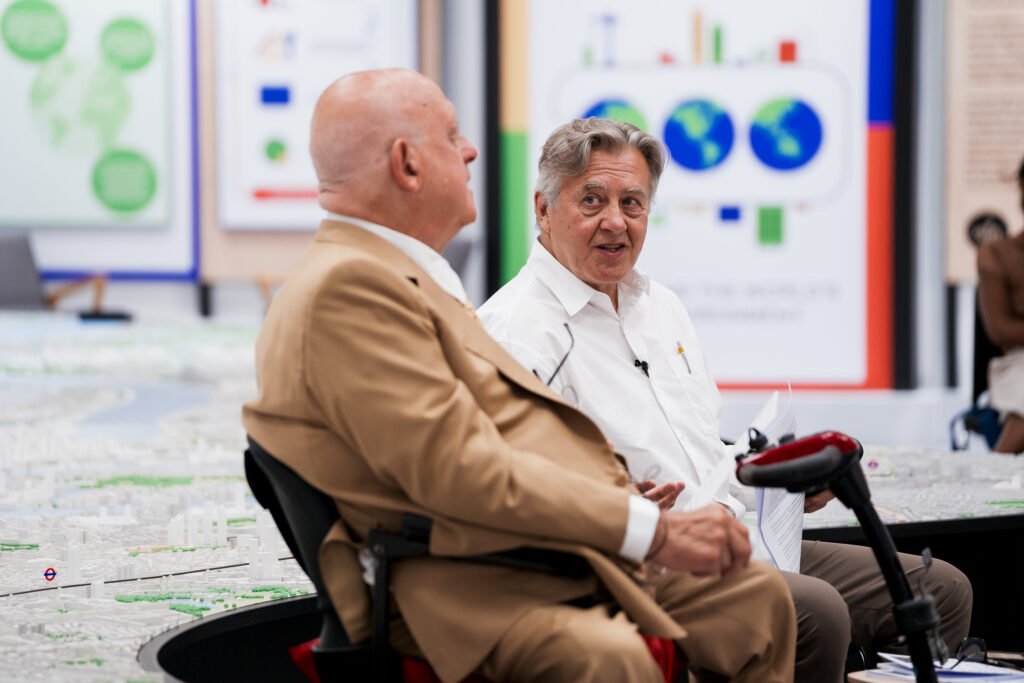
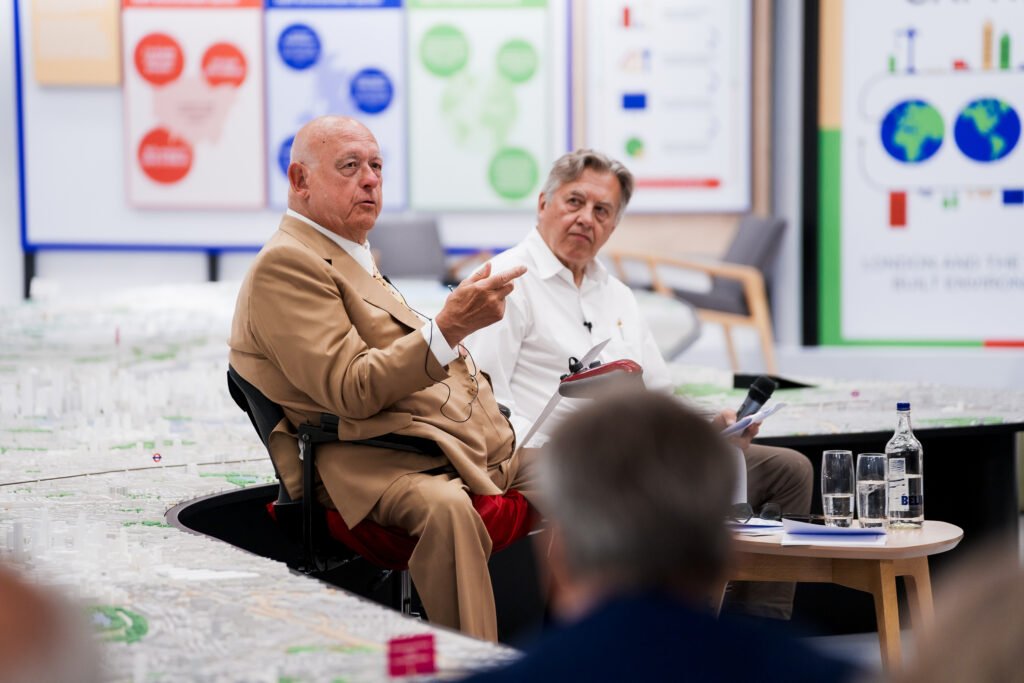
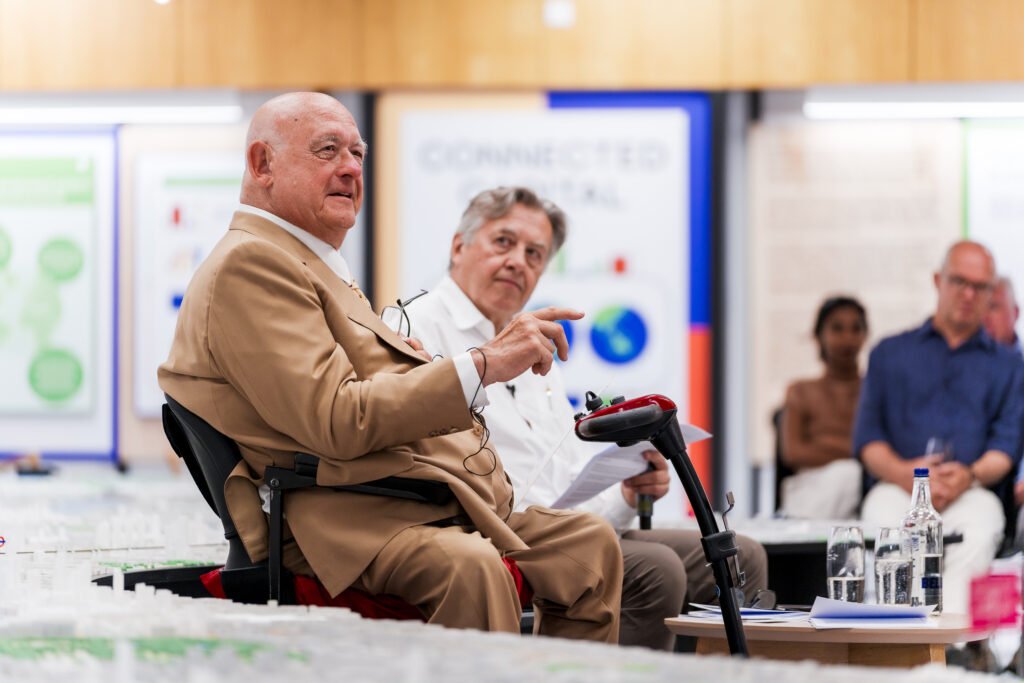
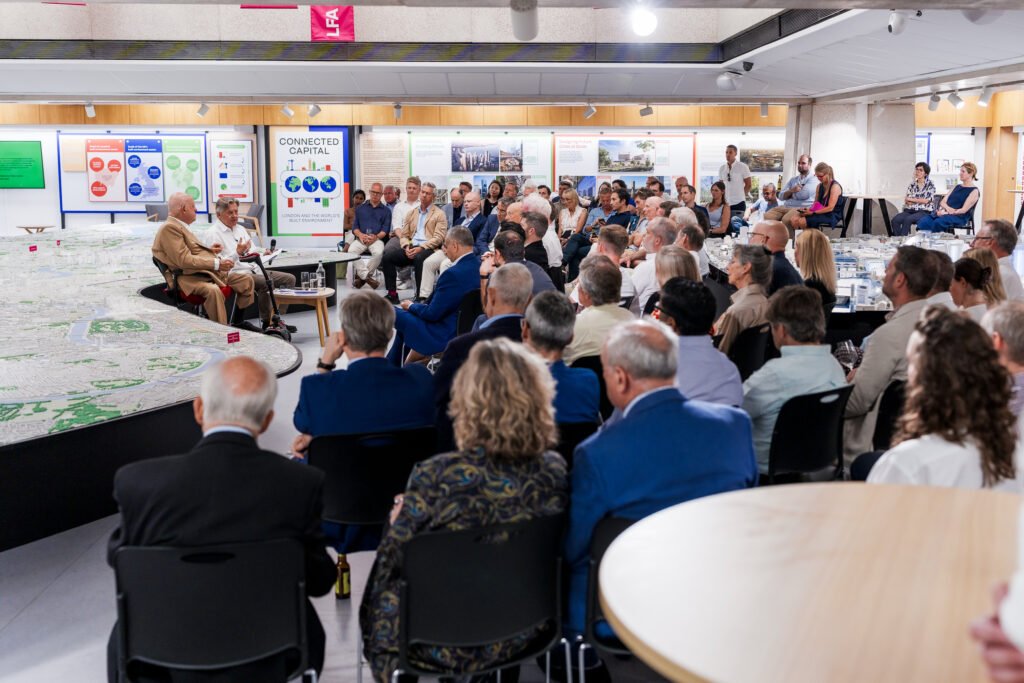
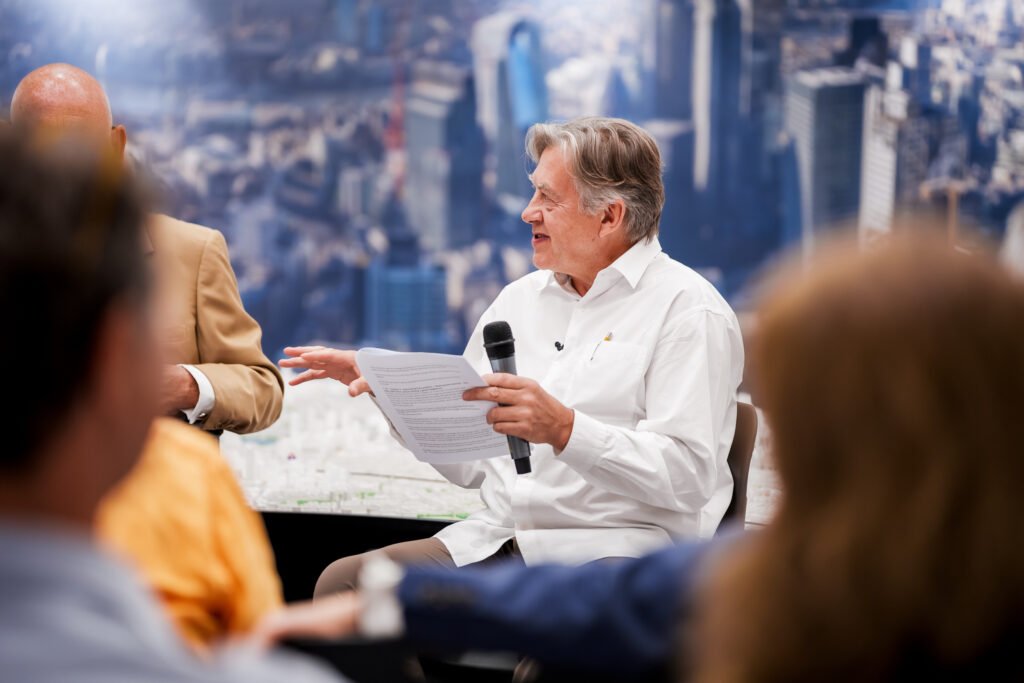
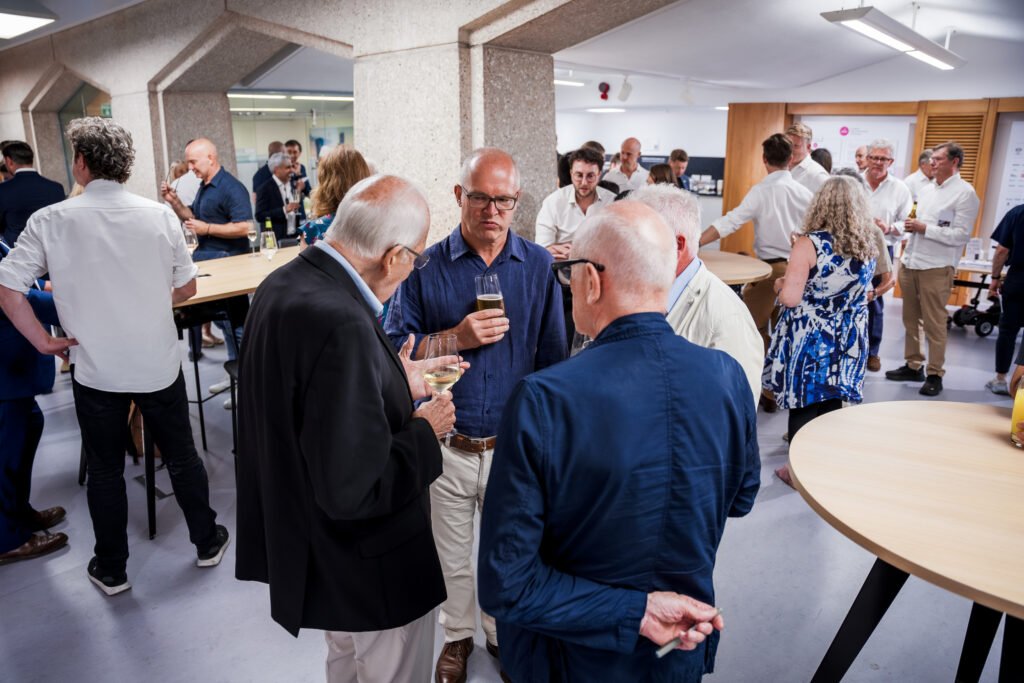
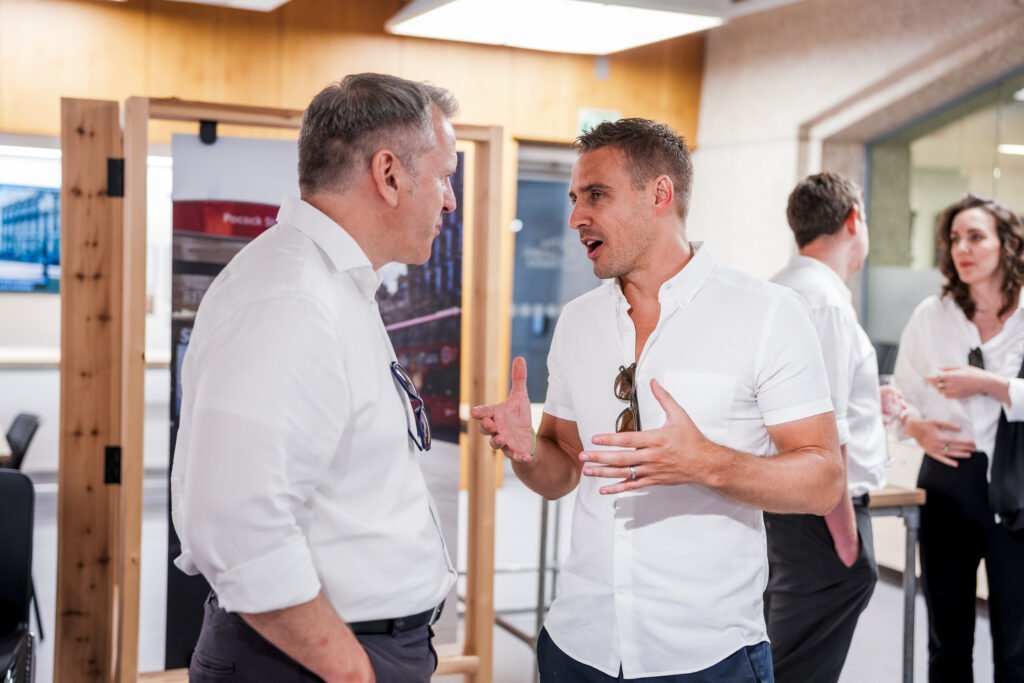
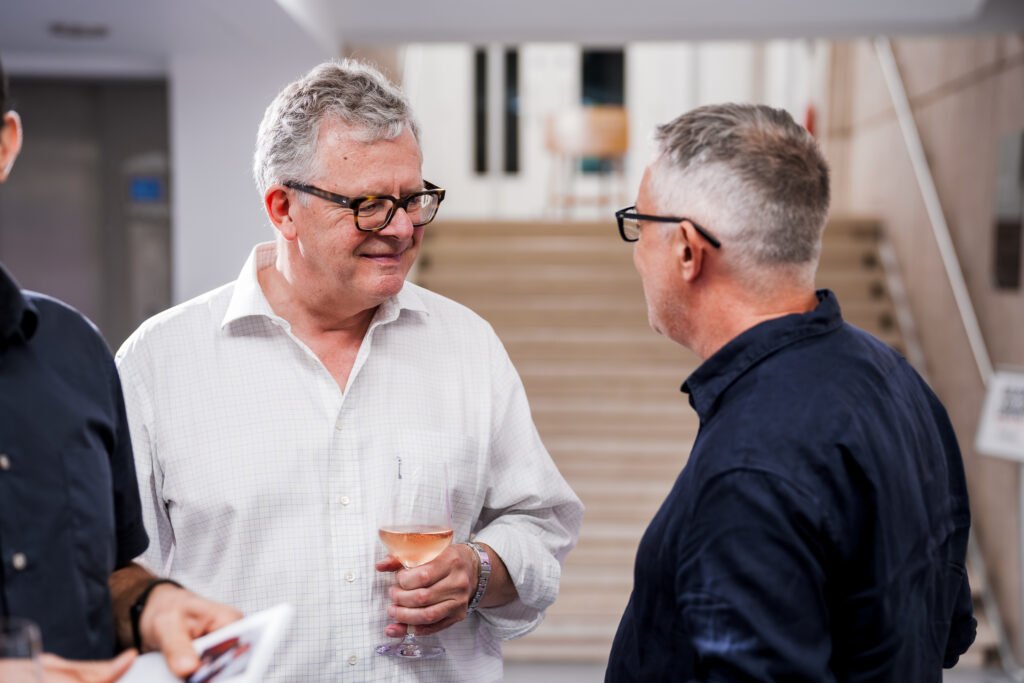
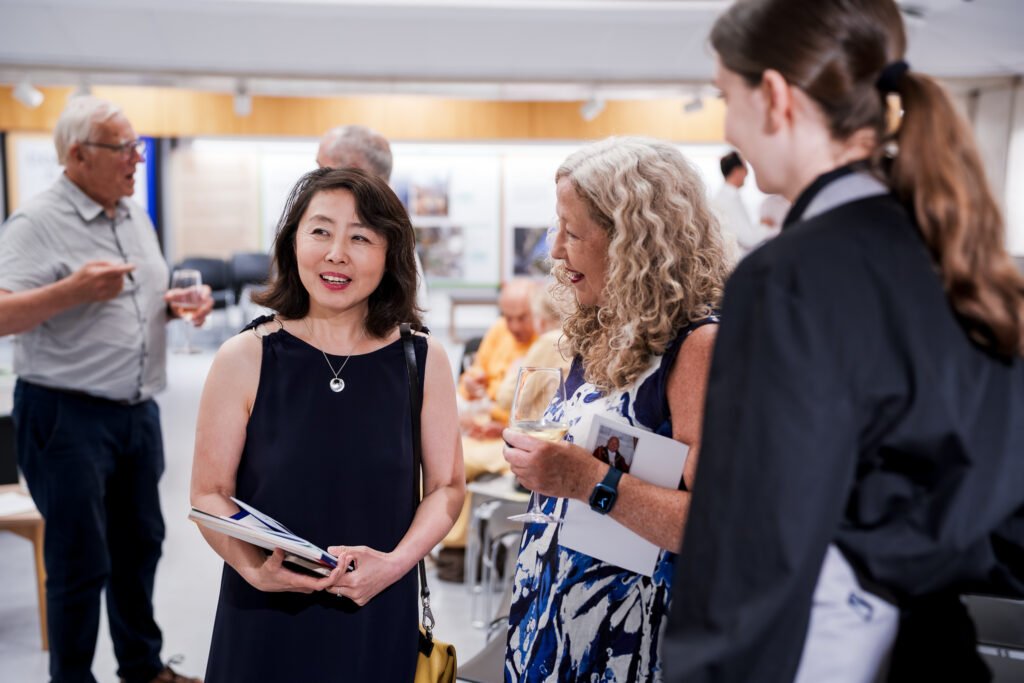
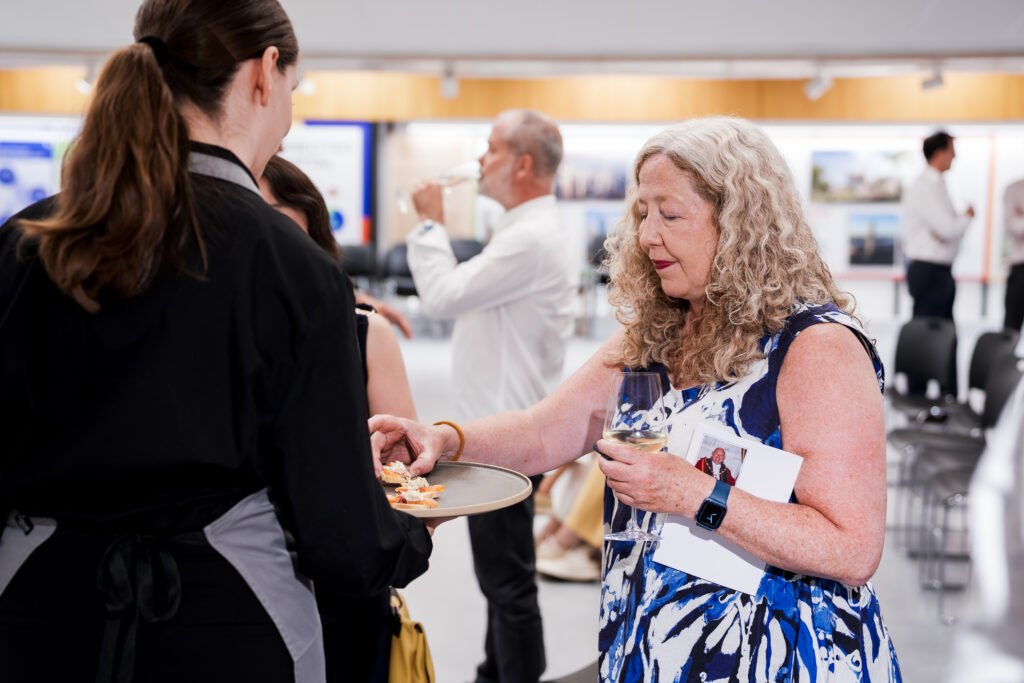
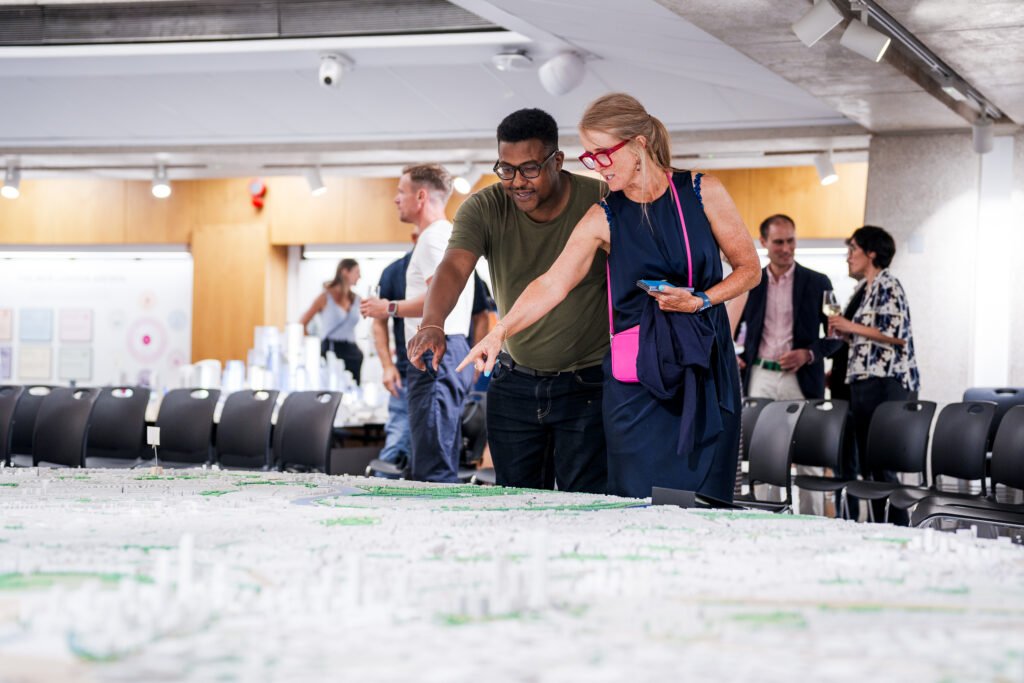
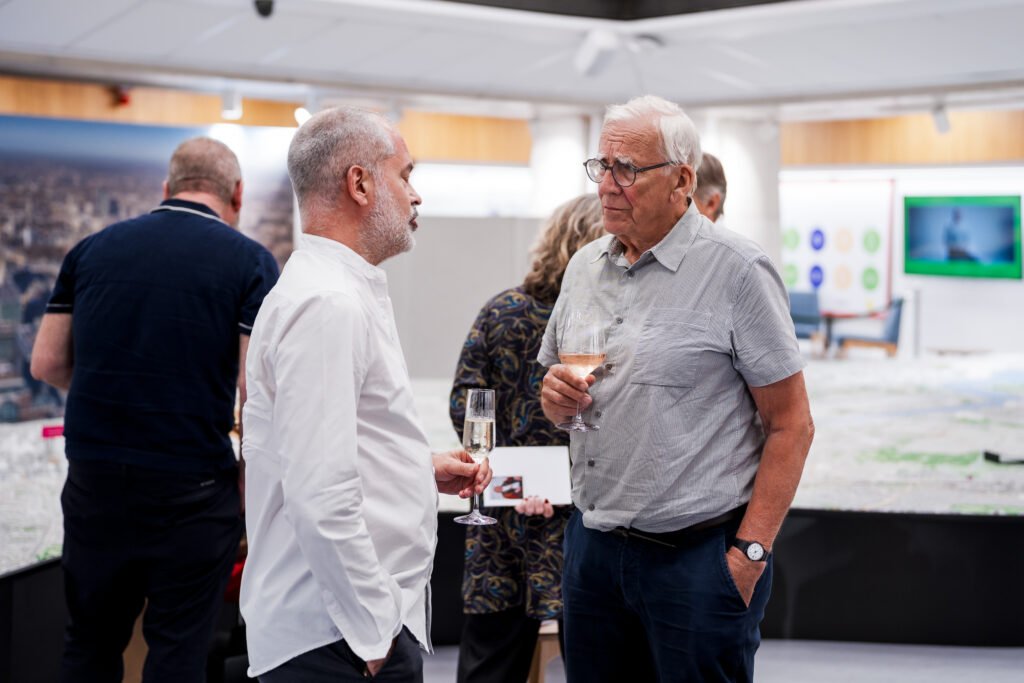
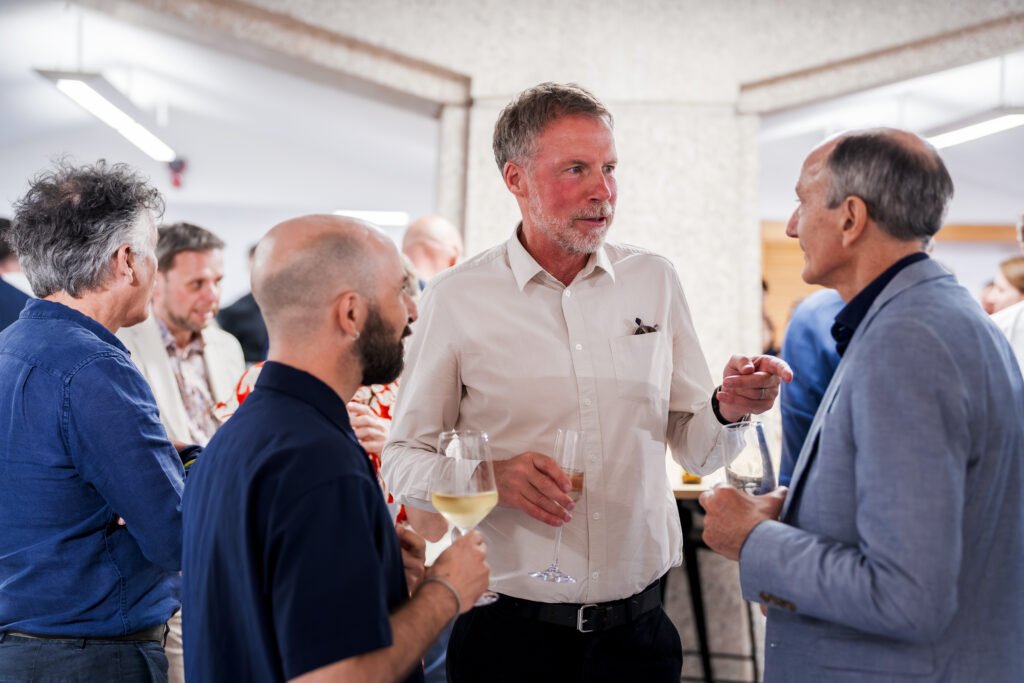
This became clear at the City Architecture Forum’s sold-out inaugural summer party last week celebrating its 35th anniversary, held at The London Centre, which kicked off with a ‘Conversazione’ with Cassidy, chaired by CAF committee member Lee Mallett.
Cassidy’s ability to seize the day, push through new policy, and simply lead effectively, left its mark not only on the City of London, transformed on his watch, but on many of the capital’s major urban projects in the last 44 years, including Wembley Stadium, the Millennium Bridge, Crossrail, each of which he had a hand in.
As founder of the Forum in 1991, Michael established an organisation which, he reminded CAF members; ‘Firstly, is not a campaign. And secondly is self-educating, involving building visits and debates, and therefore is not partisan in any sense.’
CAF was founded in the sustained aftermath of the Prince of Wales’ highly critical intervention over the redevelopment of Paternoster Square when he made the claim that post-war development had caused greater damage than ‘the Luftwaffe’.
The Prince also criticised the new wave of Big Bang-related development in the City, unleashed five years earlier by a new City Plan, and the ensuing public spat between ‘classical’ and ‘modern’ approaches to contemporary architecture became known as ‘Style Wars’.
Cassidy had personally driven that new plan through the City’s somewhat hide-bound civic culture, forearmed with the knowledge of what Big Bang was likely to require of the City’s built environment.
So it proved. The five years between 1986’s Big Bang and the disappointment of the early 90s recession, saw an unprecedented third of the City redeveloped under the City Plan’s aegis. Cassidy felt the Forum would be a (studiously impartial!) way of improving the quality and understanding of what was required of architecture in the new era, driven by a new focus on occupiers’ needs which featured prominently in the Forum’s early roundtable dinners which he chaired.
Michael’s vision was, however, utterly different from what the Prince had in mind. In a meeting with Charles and his advisers, Michael (alongside his appointee Peter Rees as City Planner) recalled the Prince pulling from a drawer The Royal Academy’s 1942 plan for the City.
This initiative was led by Sir Edwin Lutyens with other RA architect members, with neo-classical buildings lining Hausmann-style boulevards – totally contradicting the City’s medieval street patterns and the needs of the City’s new occupiers.
In the circumstances not many politicians would have - as Cassidy subsequently did - invite the Prince of Wales to speak at the annual Planning & Transportation Committee dinner in Mansion House.
A tactic he maintains ensured the Prince was ‘inside the tent looking out’ where he might cause less damage. As the years passed and developers found inspiration in a new cohort of contemporary architects, buildings ‘of much greater quality’ with greater emphasis on occupiers’ needs were developed. Charles’ influence, and that of ‘Style Wars’, faded.
To achieve his vision, Cassidy told CAF members he had tolerated absolutely ‘no internal political opposition’ to the new City Plan’s ambitions. He quashed any that arose with the threat of Canary Wharf, whose initial proposer, larger-than-life Texan developer G Ware Travelstead made no bones in telling City grandees: ‘I’m going to be taking all the banks I can from you guys, and I’m going to build Wall Street-on-water.’
It was a threat that, like the Prince’s intervention, was eventually to fade, and become more of a peaceful, complimentary, co-existence as the City more than rose to the Wharf’s challenge. Cassidy said ‘it warms my heart’ to see the likes of HSBC and a key legal practice returning to the City.
Other existential threats were also vanquished. He persuaded Tony Blair and New Labour for example to remove the long-standing manifesto threat to abolish the Corporation. And to promote new legalisation to amend the City’s constitution to create a business vote (‘draining the swamp’ as Cassidy put it). London’s boroughs were also wooed with money from the City’s coffers, earning the Corporation more of a welcome in greater London.
In Q&As, a stalwart Cassidy did not hesitate to take up the cudgels again to counter today’s threats. He condemned MCHLG Minister for Housing and Planning, Matthew Pennycook’s recent bombshell instruction to the City to stall adoption of City Plan 2040 and re-examine the impact of tall buildings on the Tower of London - a long running battle between the heritage lobby and the Corporation.
‘I was responsible for reforms that in the modern age have produced buildings of fantastic architectural quality, in volumes that have attracted big players from around the world. It is vital for the future growth of this country that the City is allowed to continue that process,’ said Cassidy.
‘And for this junior minister to stop the progress of our next plan (City Plan 2040), by insisting on re-opening a matter we thought settled, has to be tackled. We’ve got to come out strongly and have this reversed because I think it is a bad mistake by this Government.’
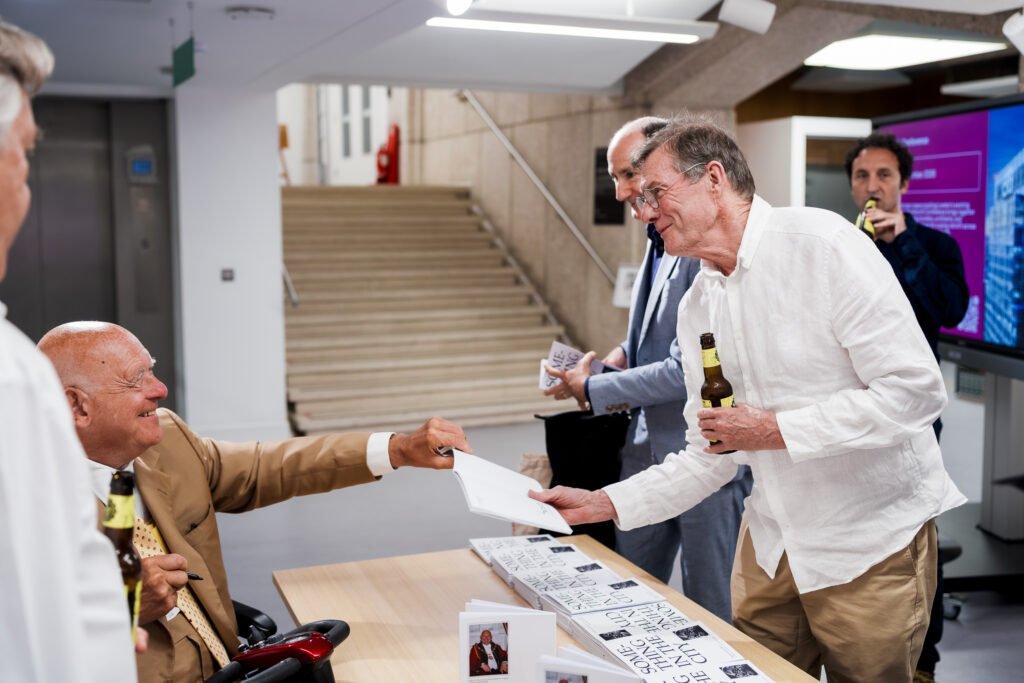
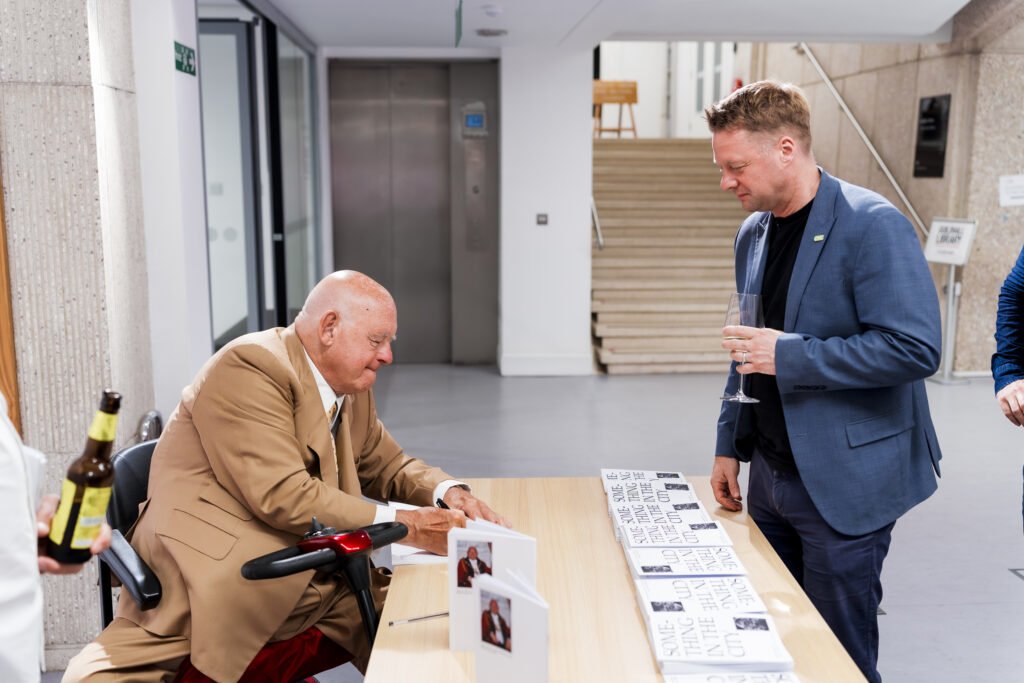
Concluding Cassidy also launched a new personal memoir as a part of CAF’s anniversary celebrations. Titled Something in the City this reflects on aspects of his life and times as the City’s leading politician during its most transformative post-war era.
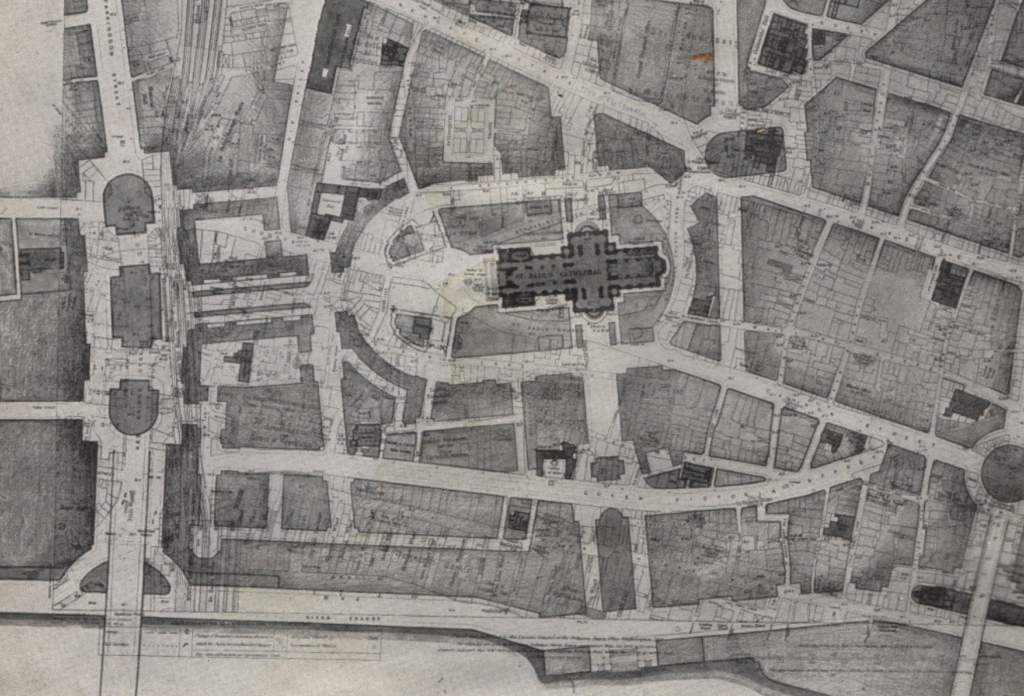
Part of the 1942 Royal Academy’s plan for post-war London, led by Sir Edwin Lutyens and other architect members of the RA
Photos - Kreative Barn