
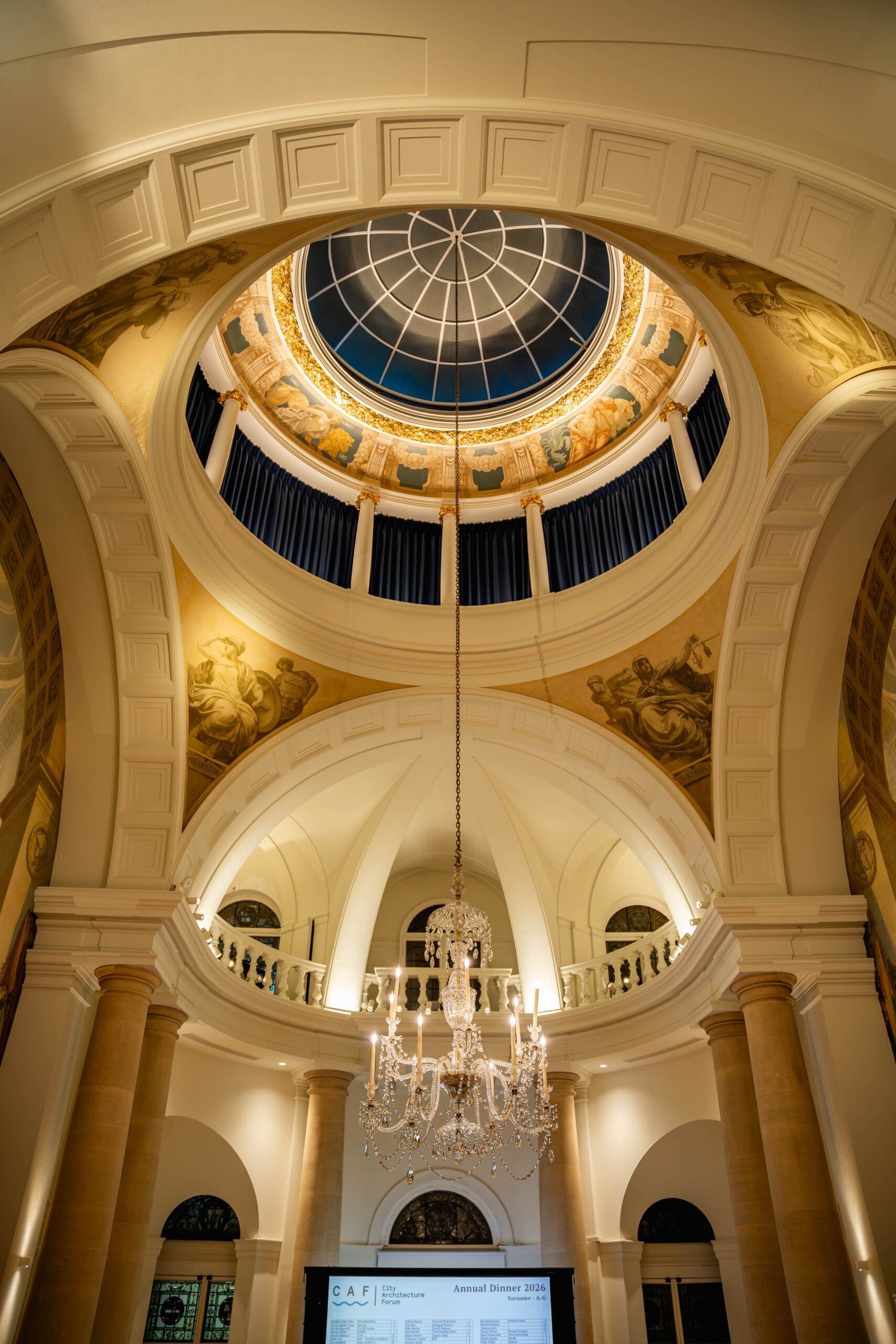
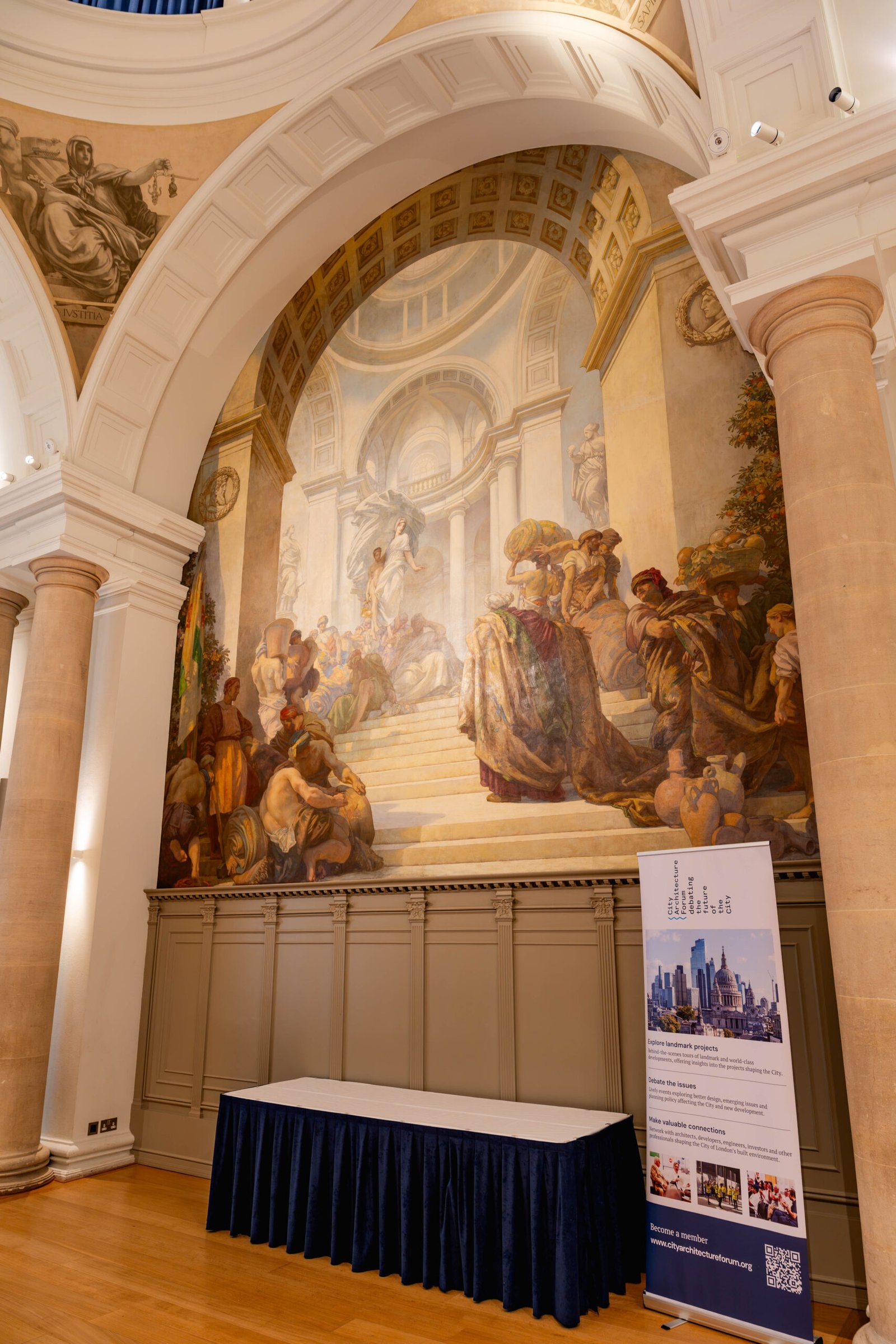
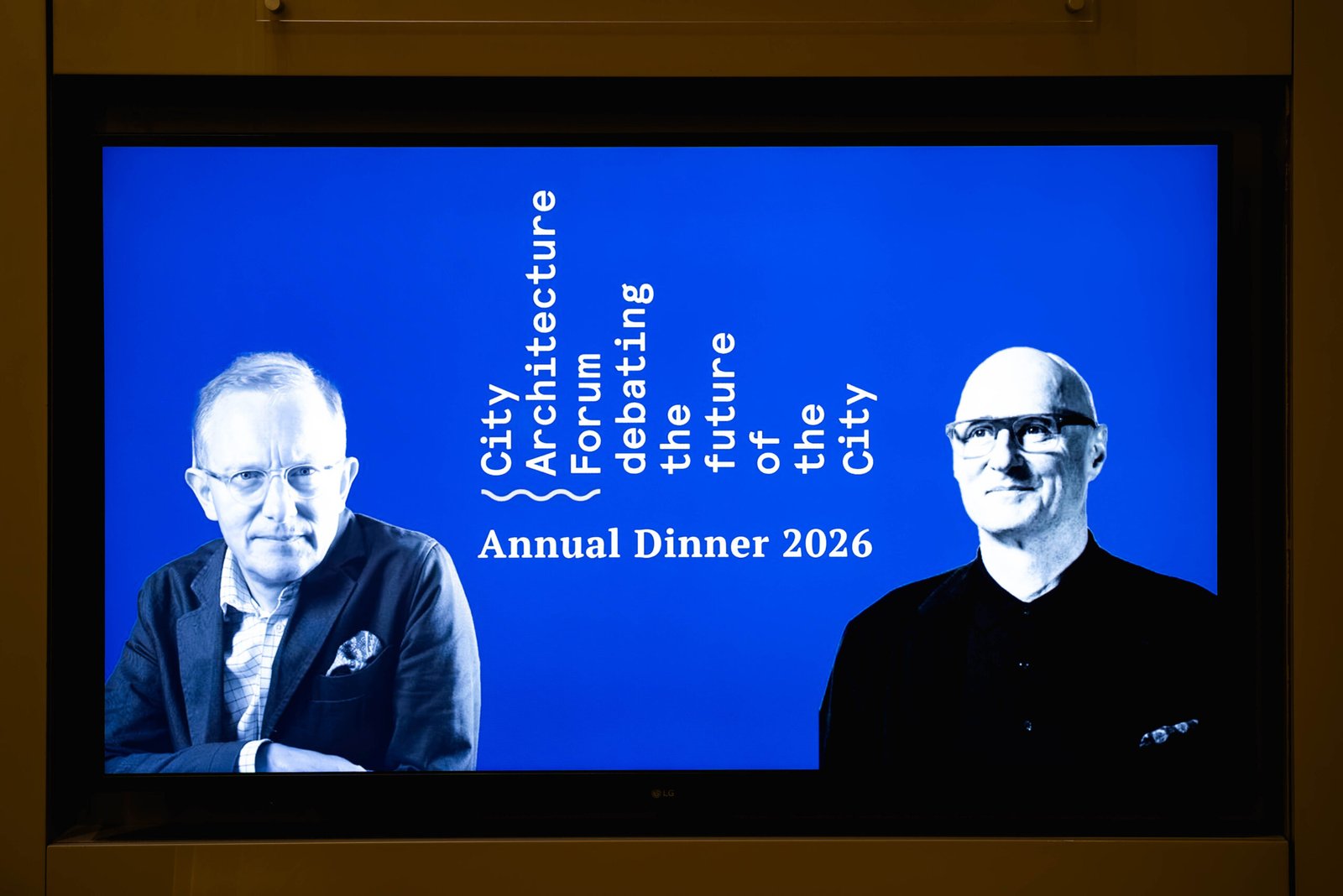
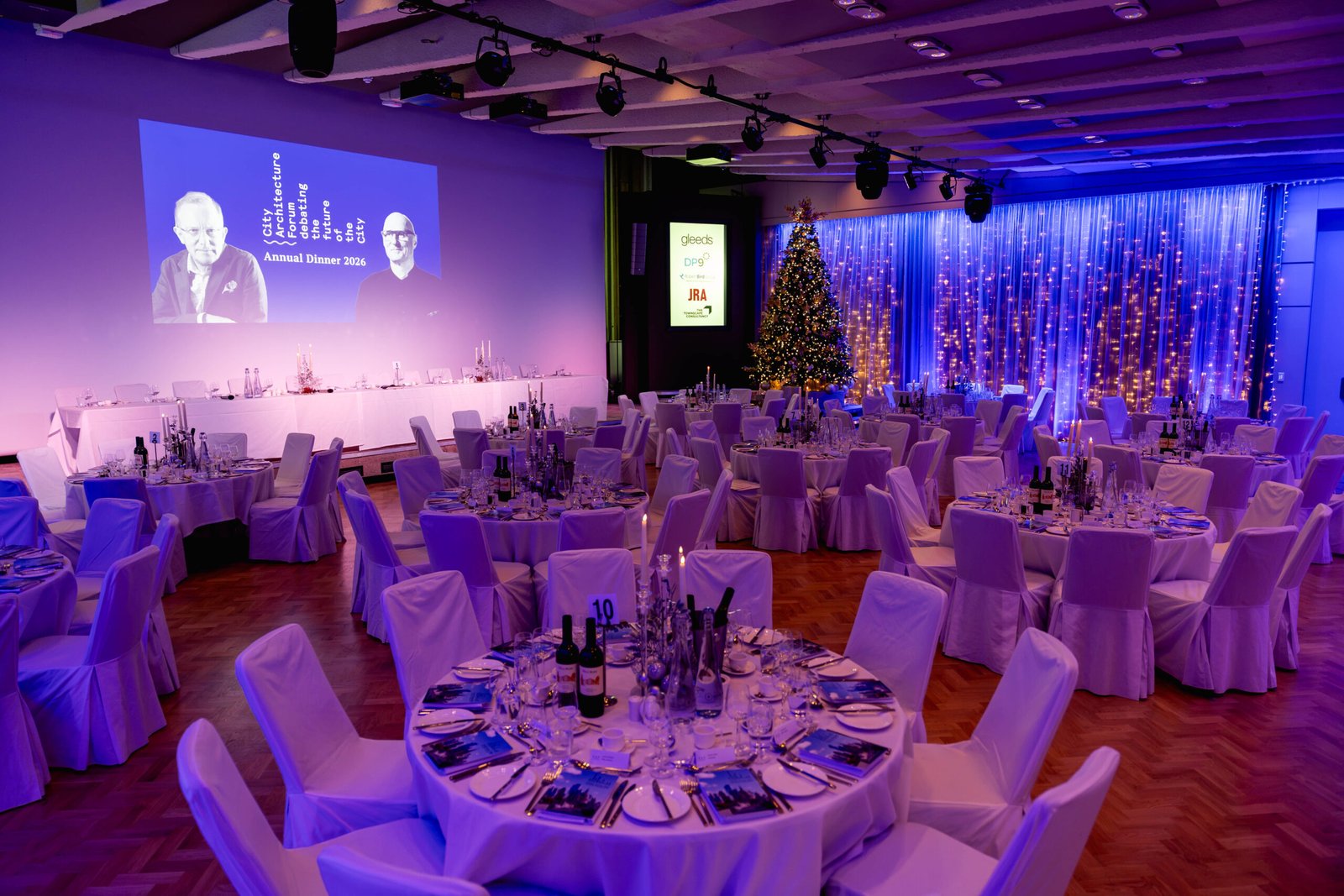
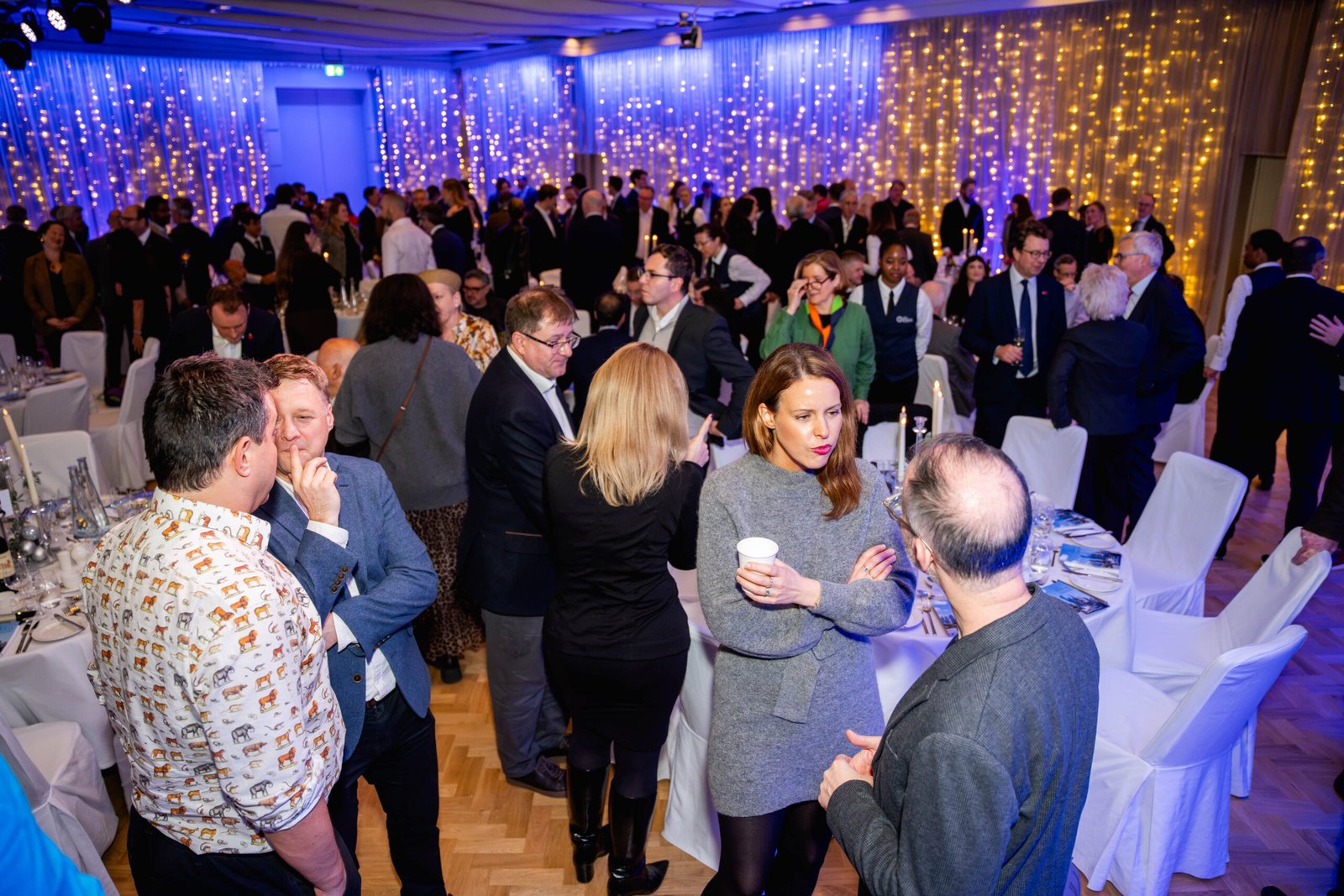
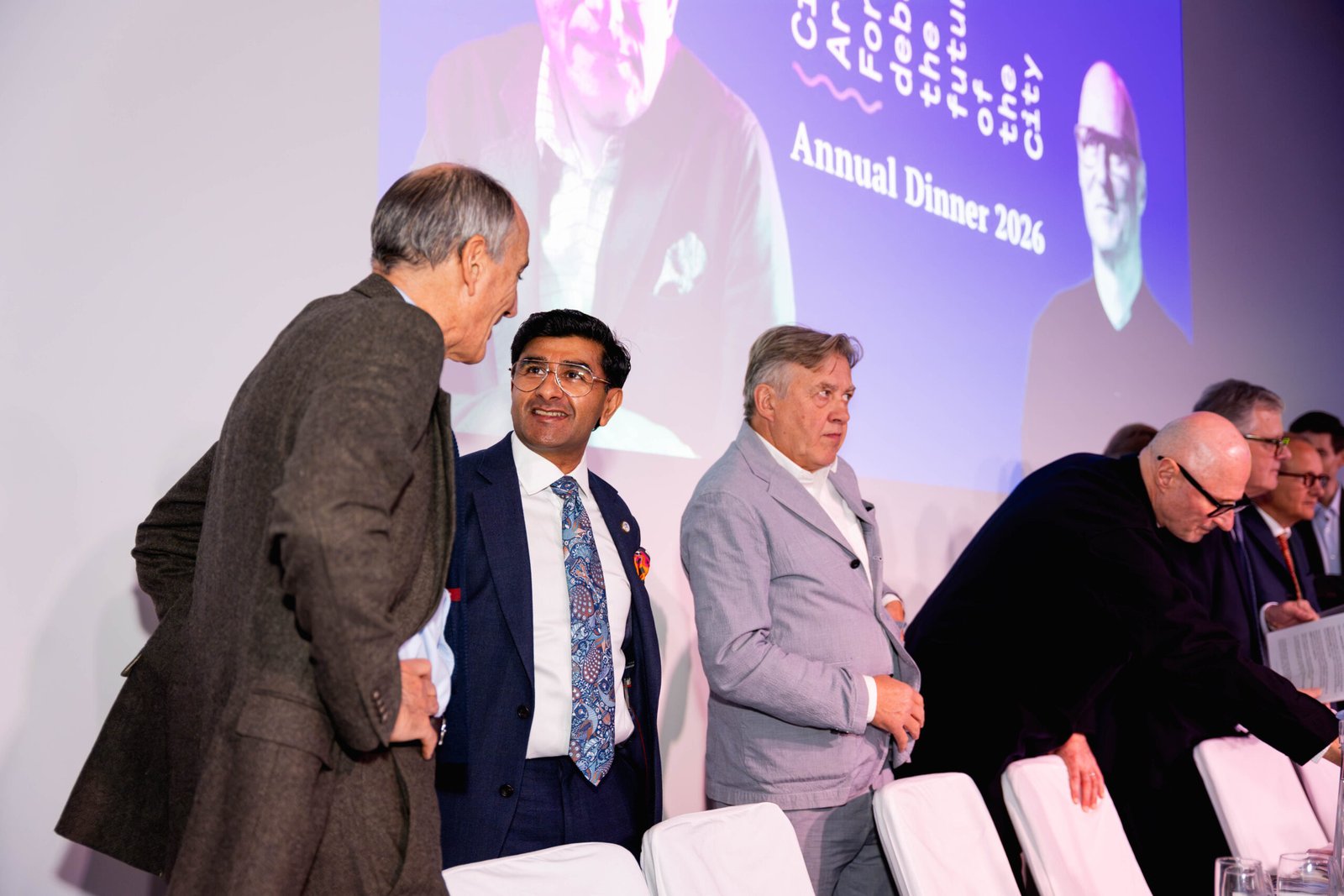
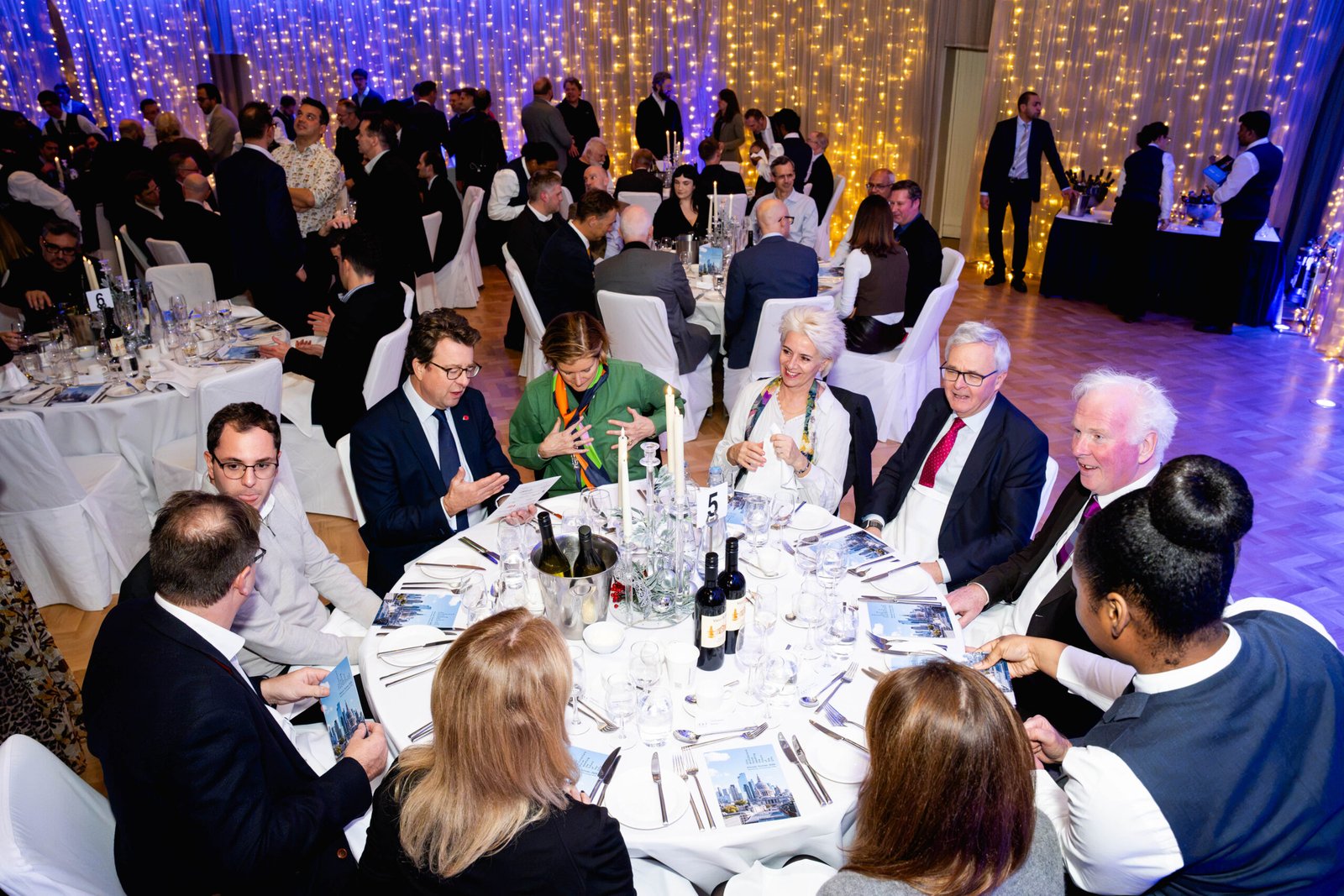
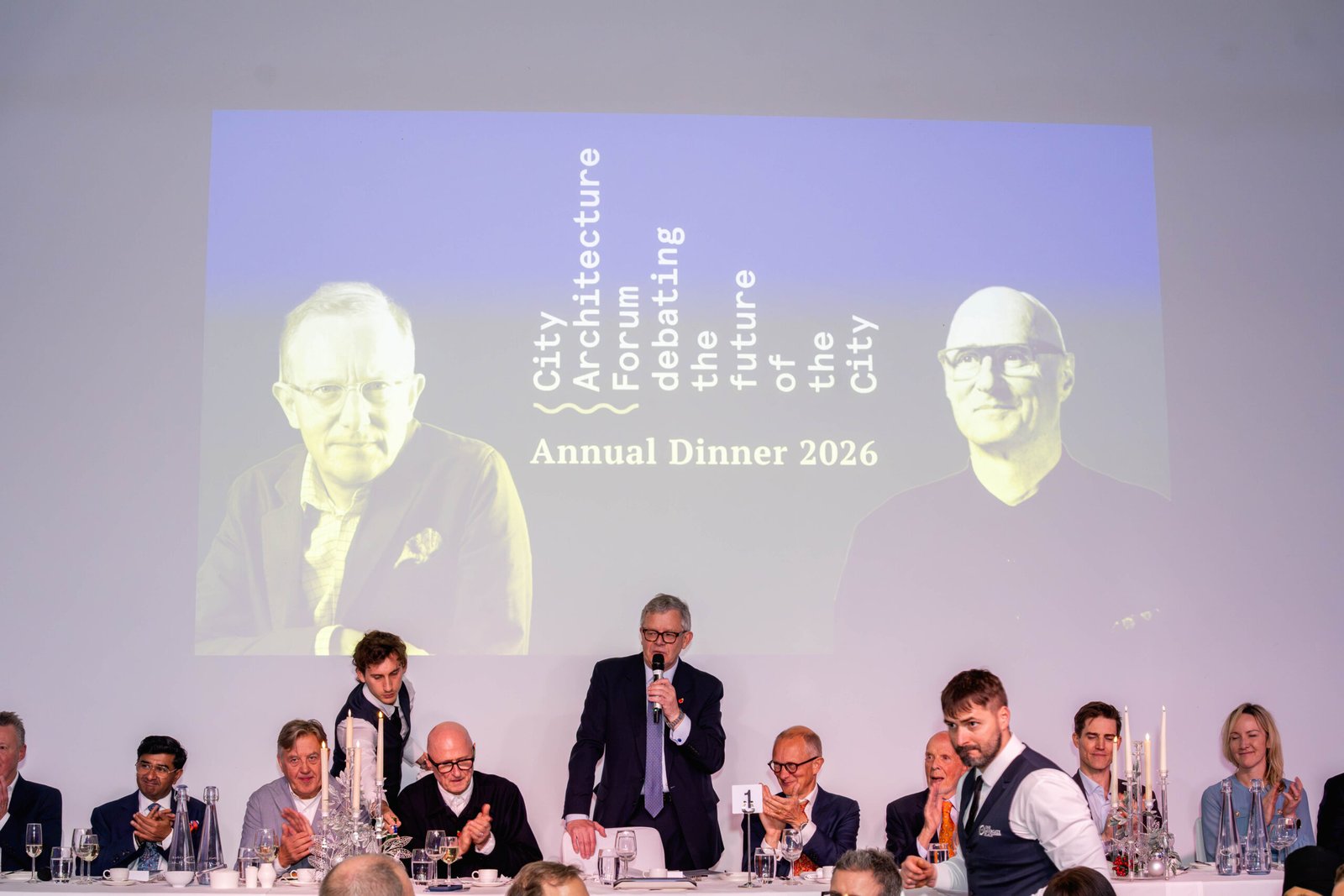
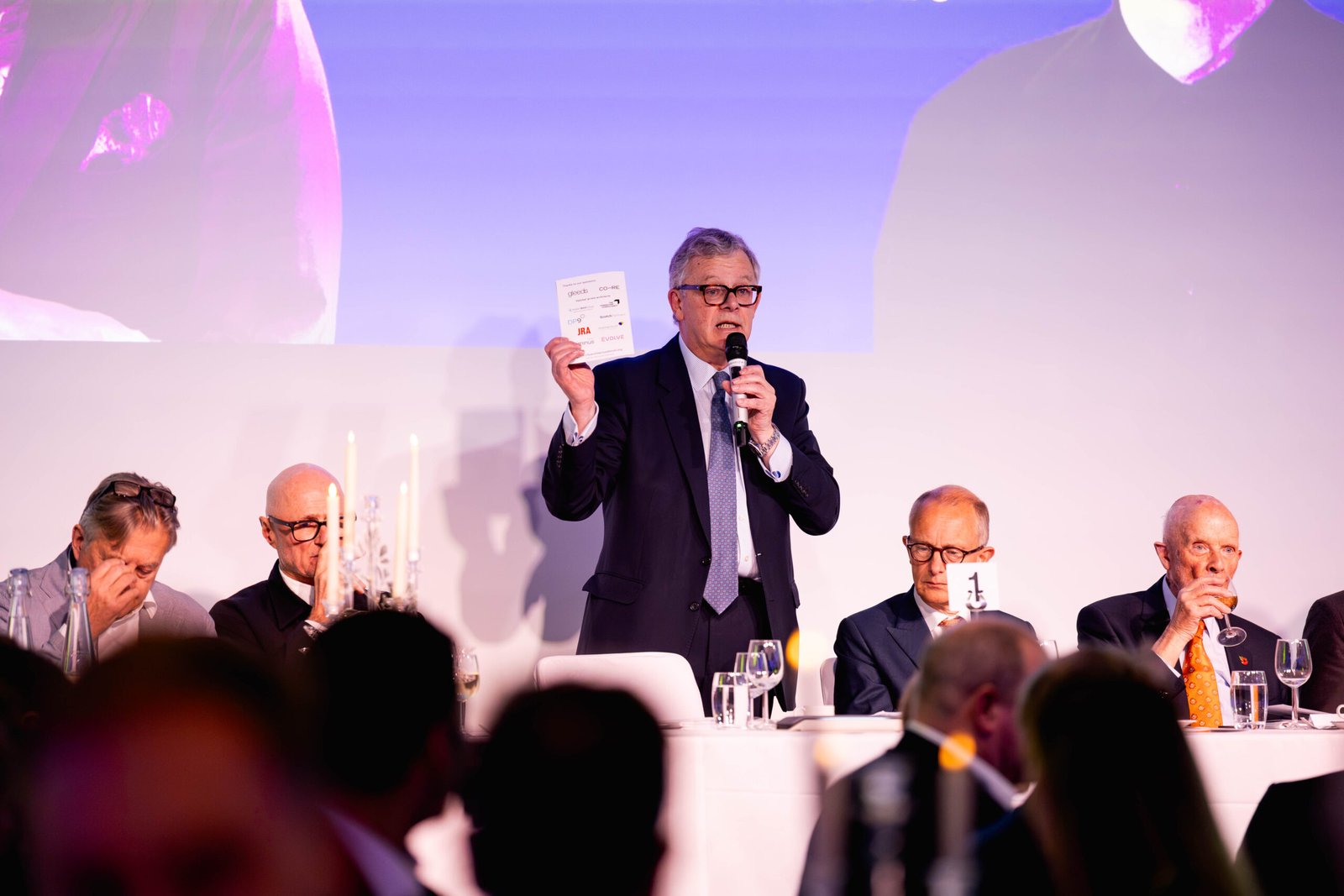
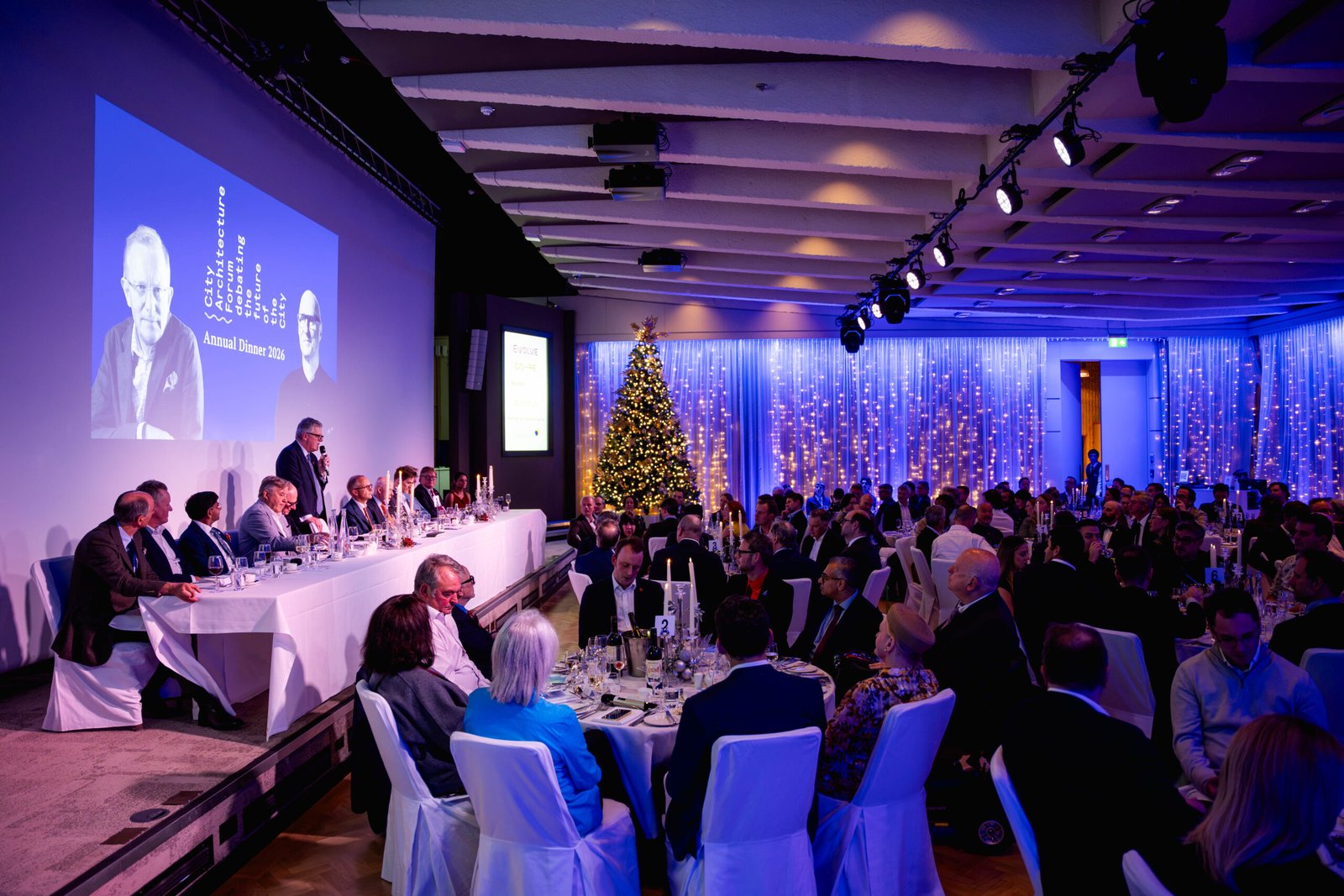
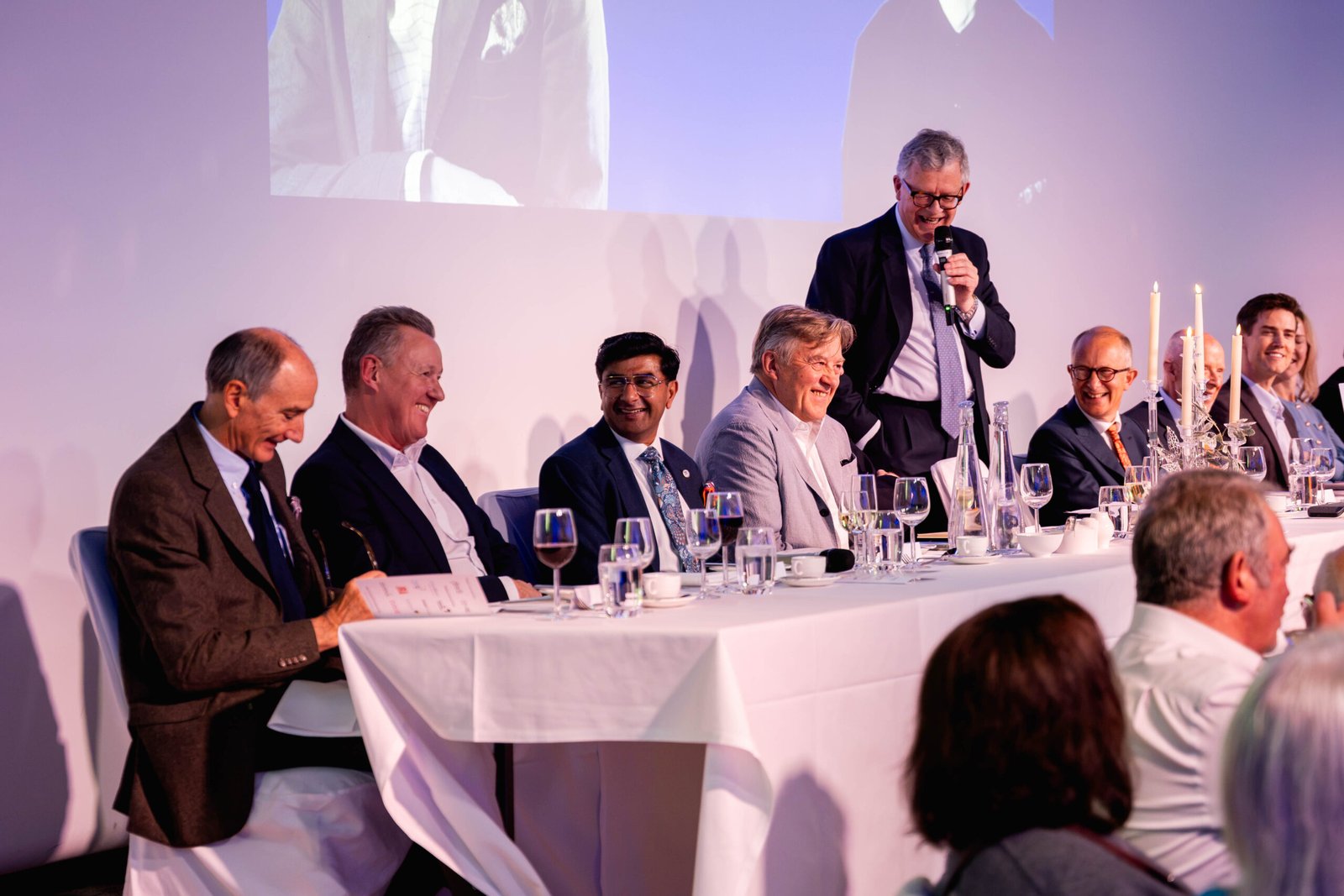
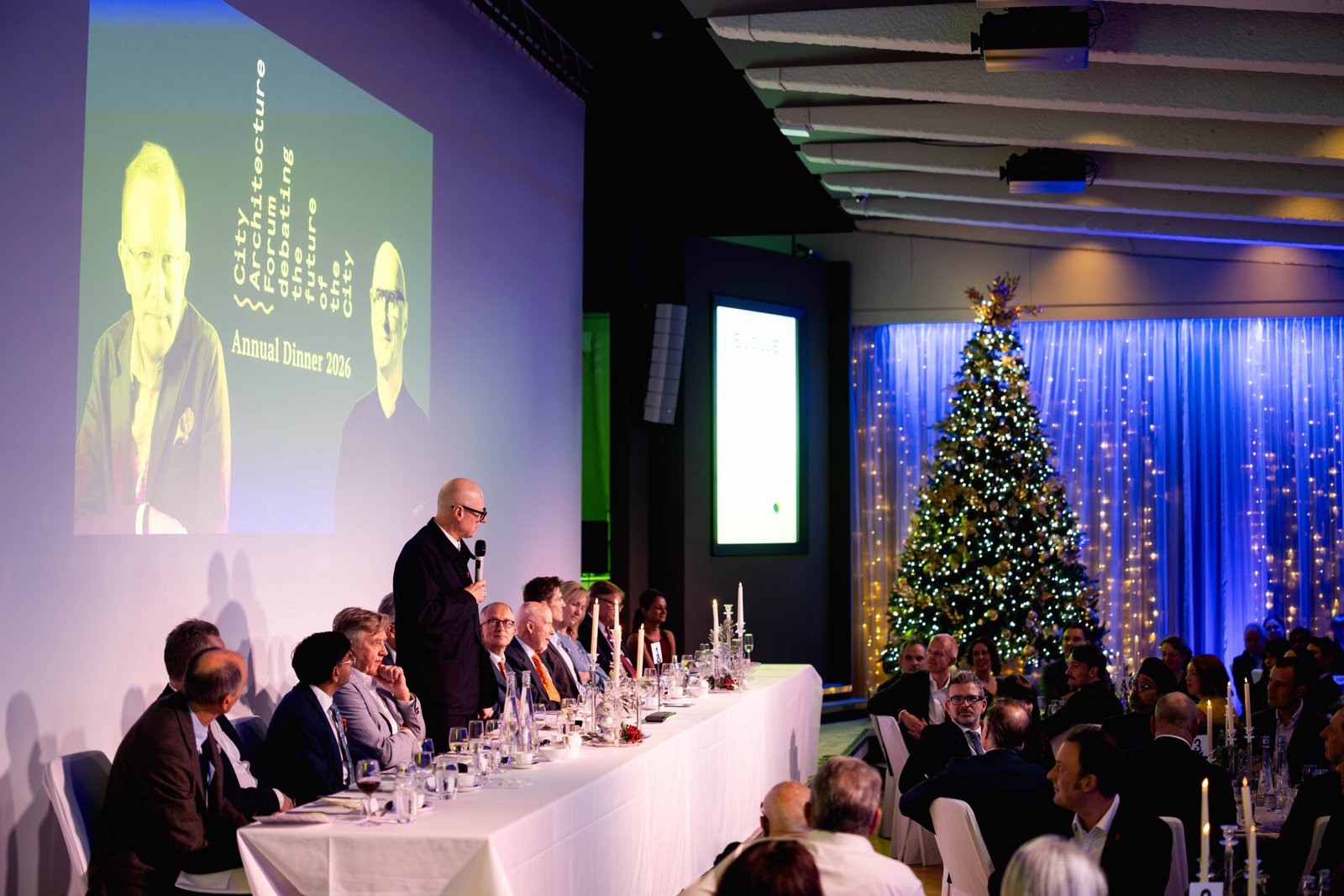
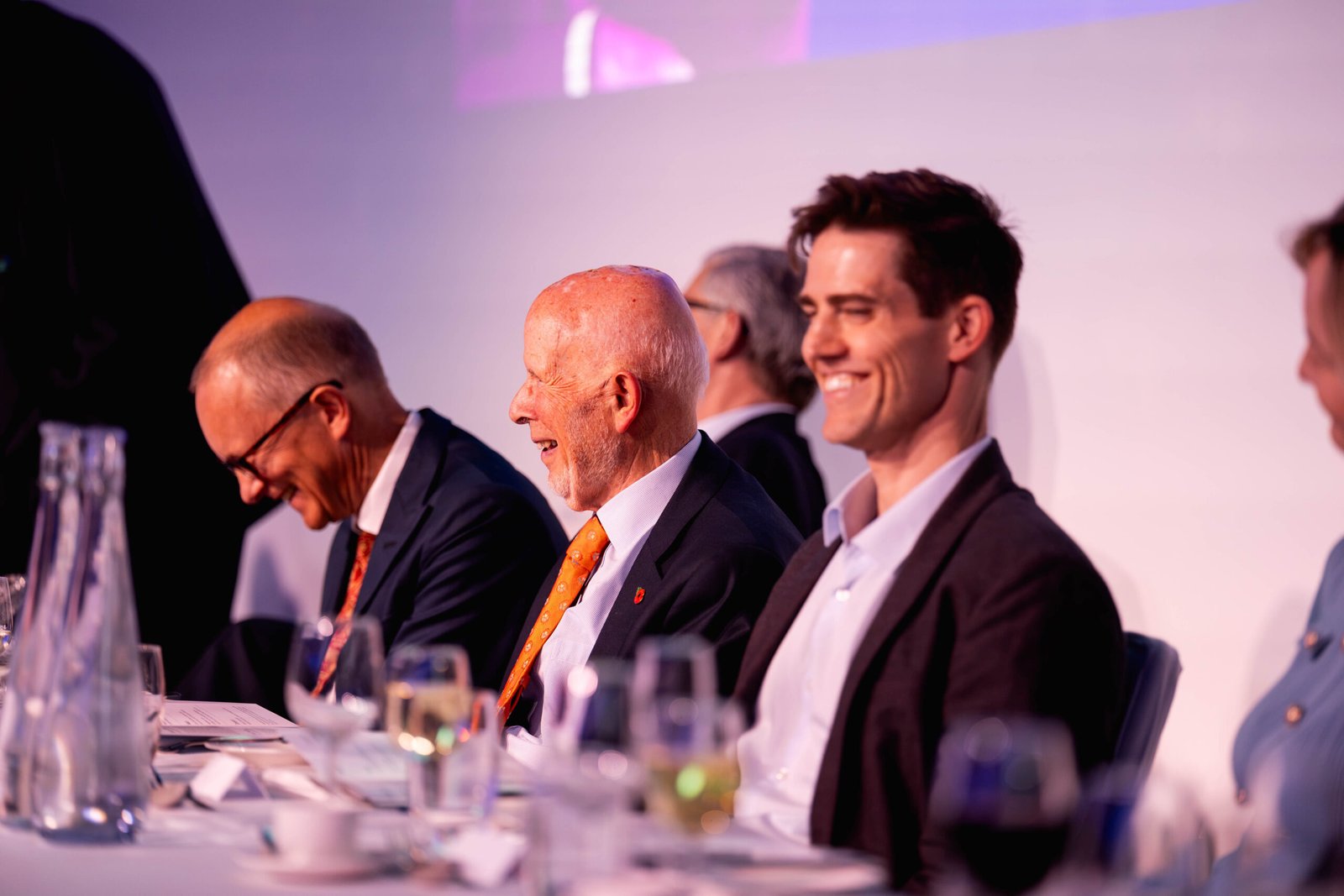
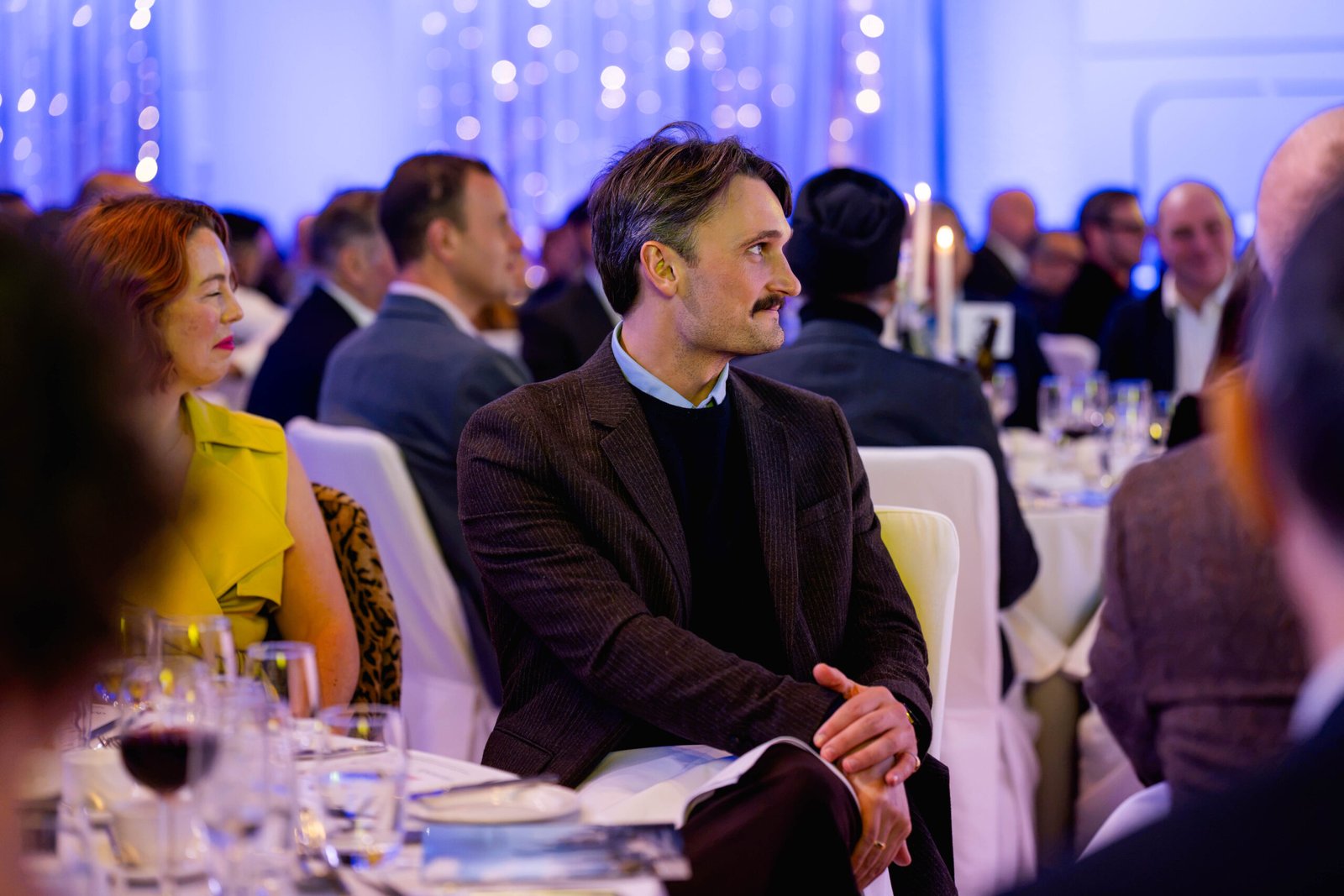
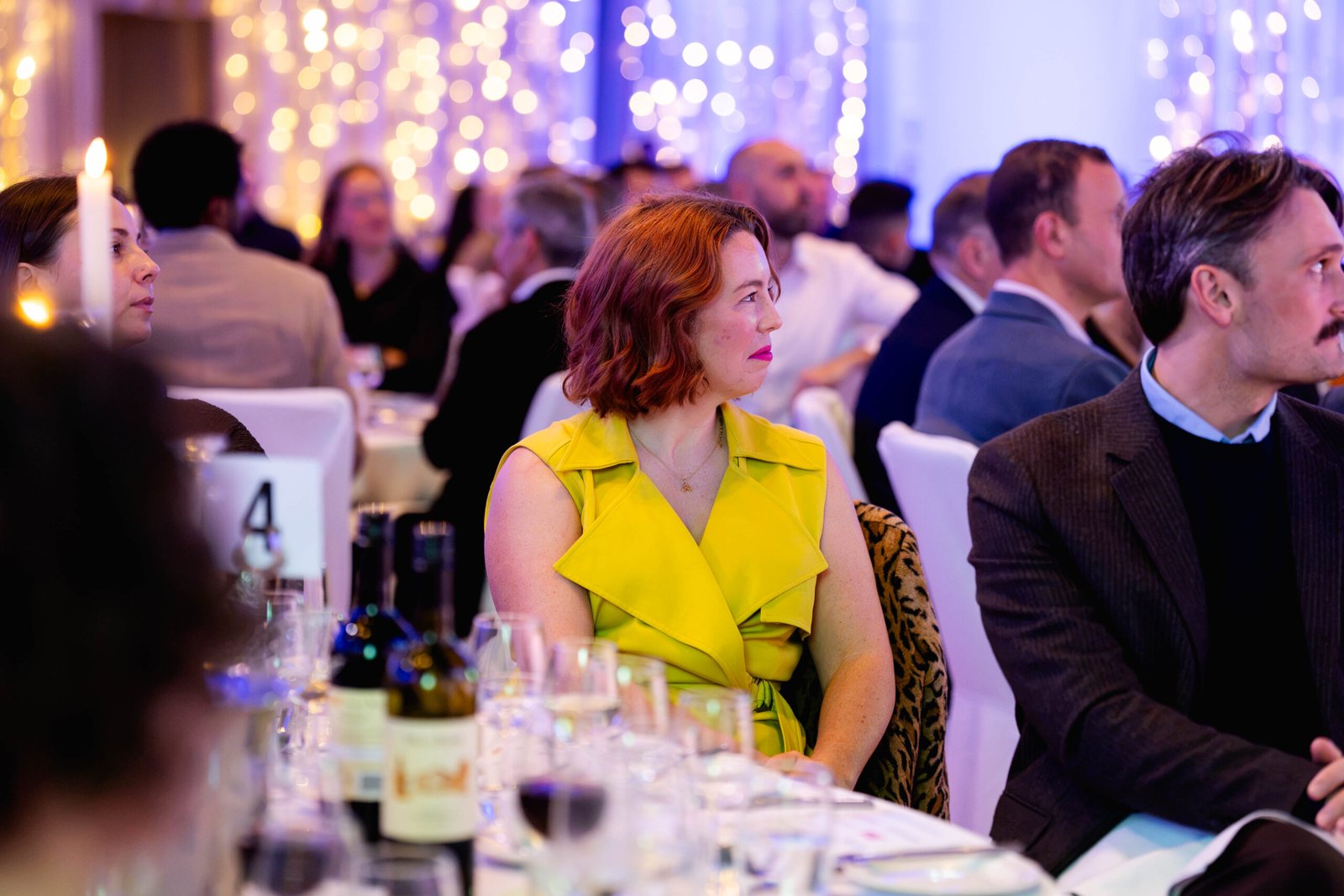
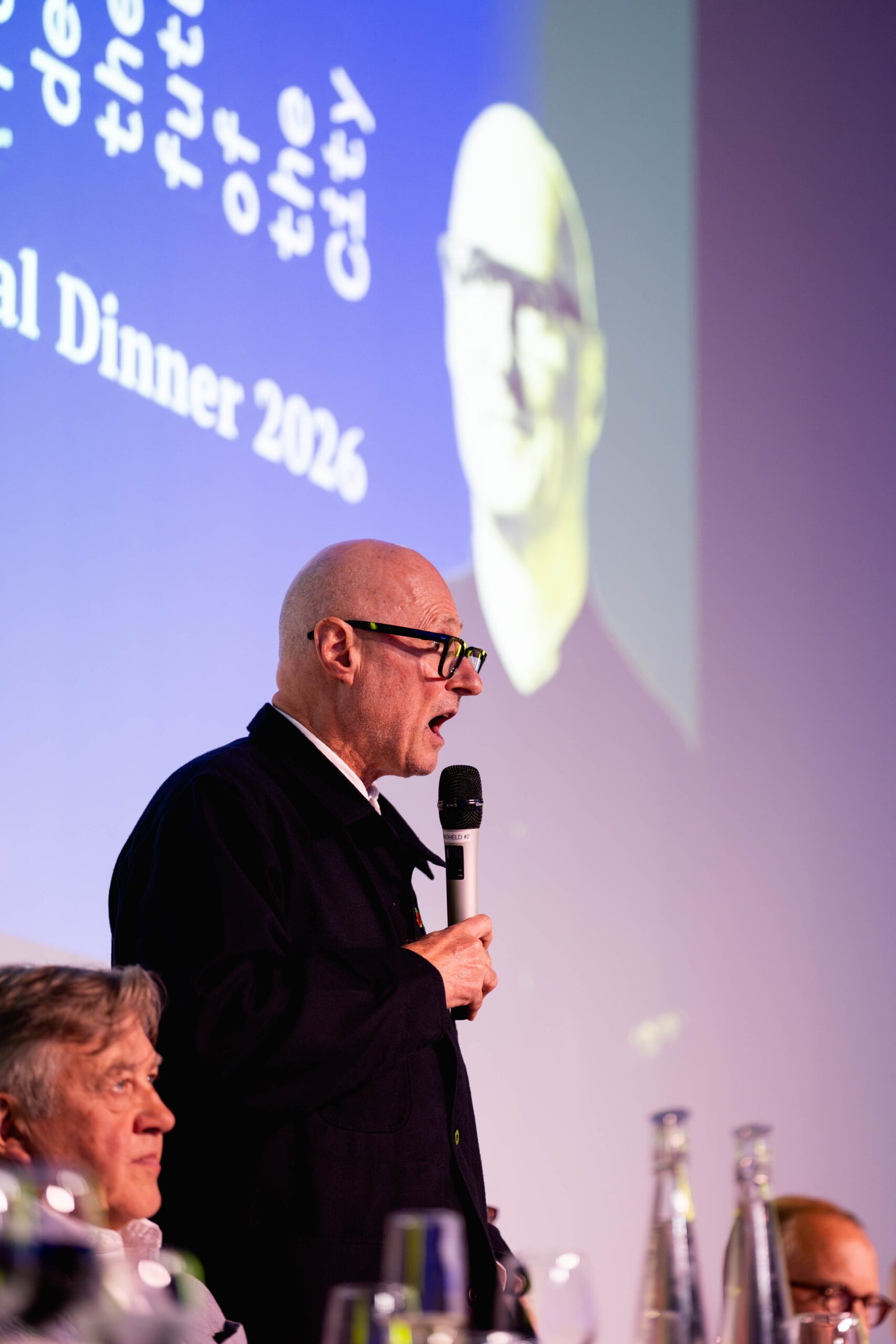
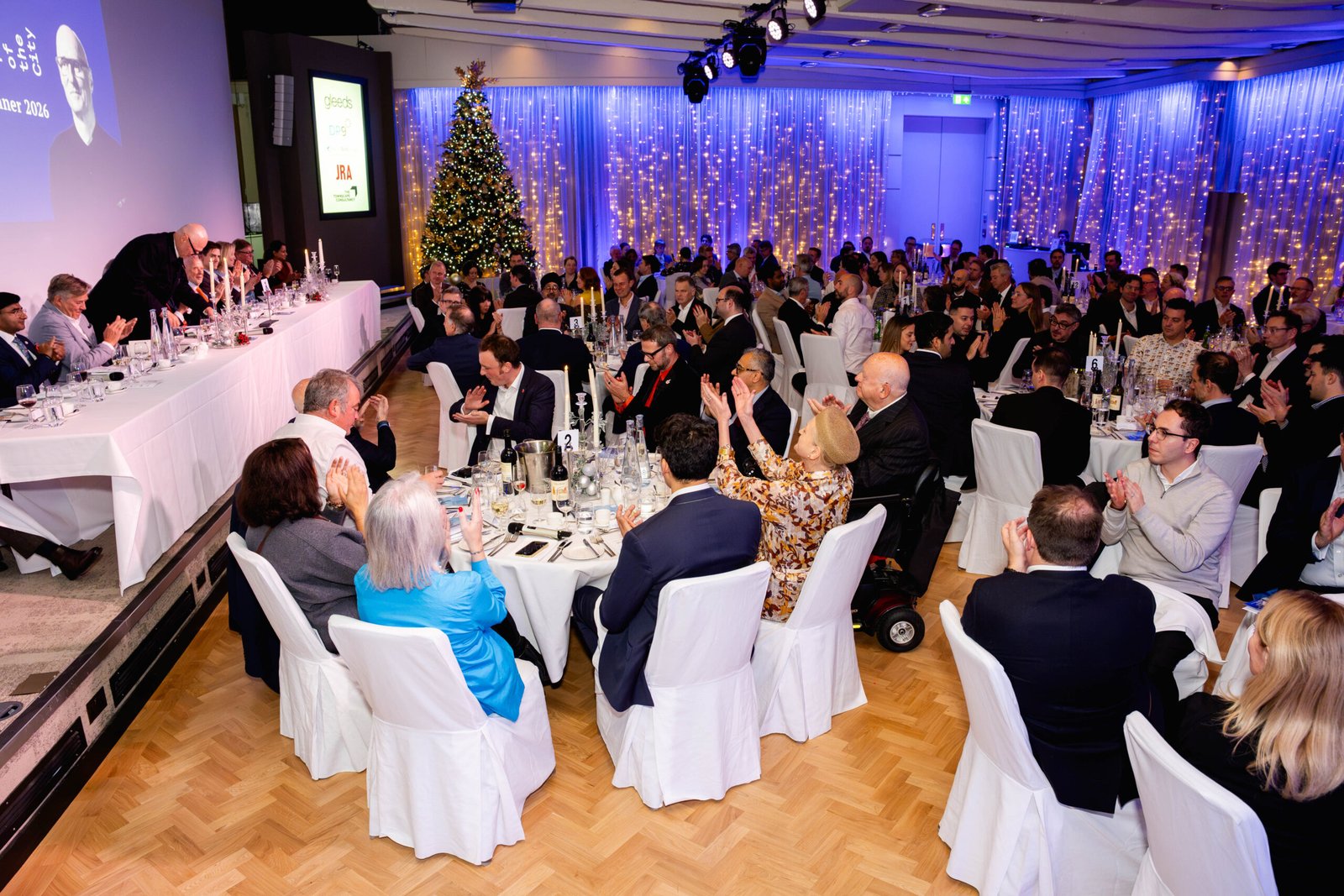
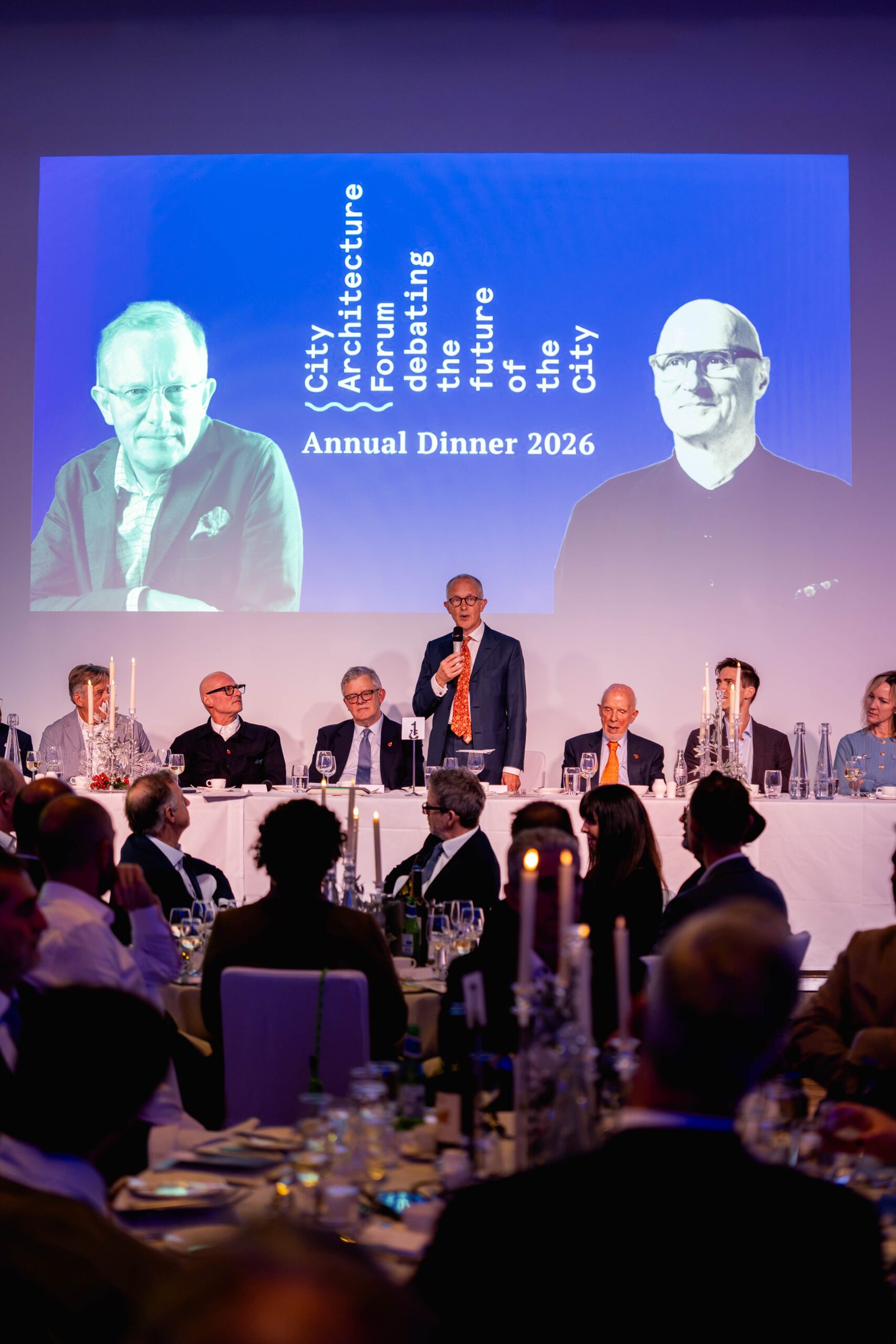
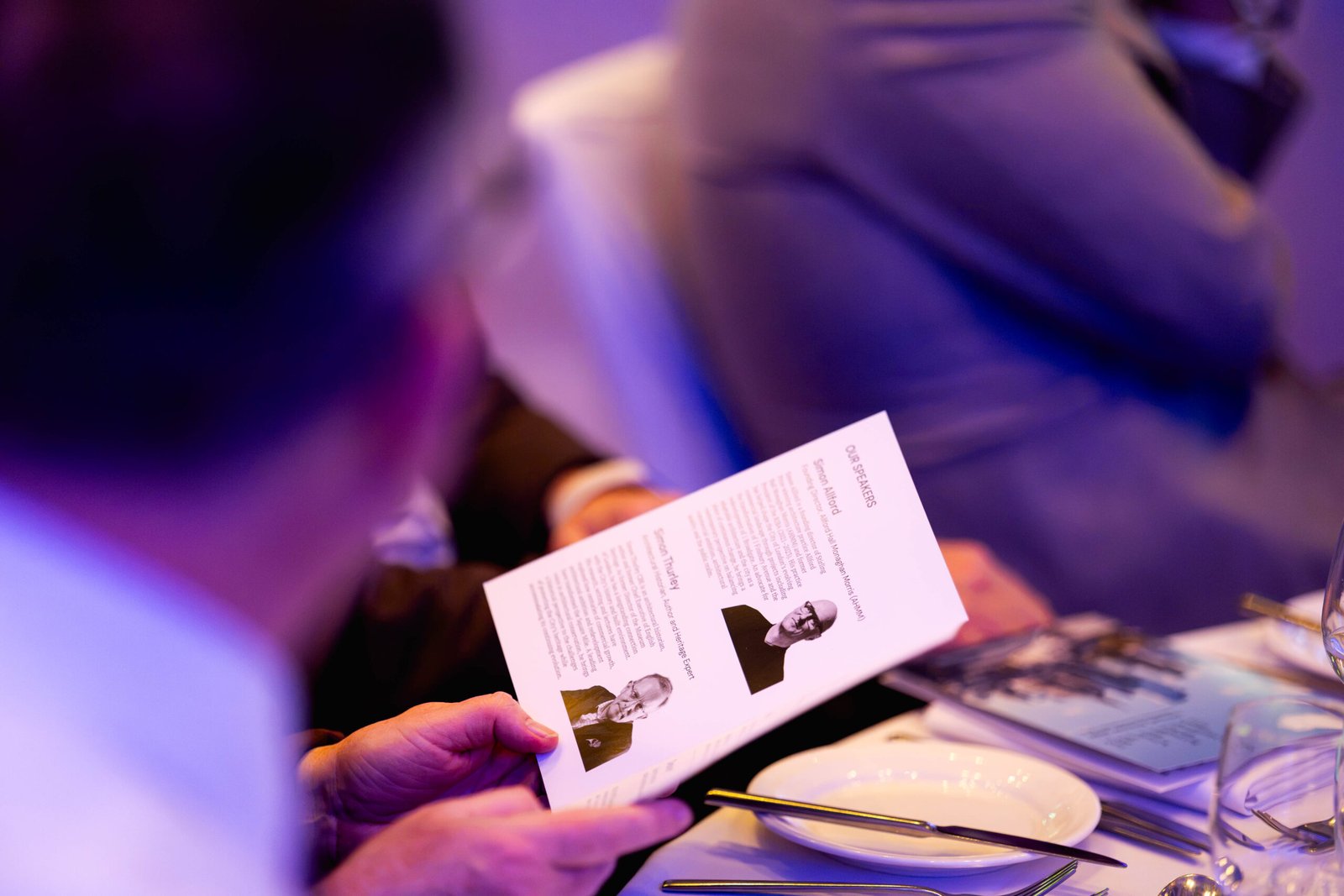
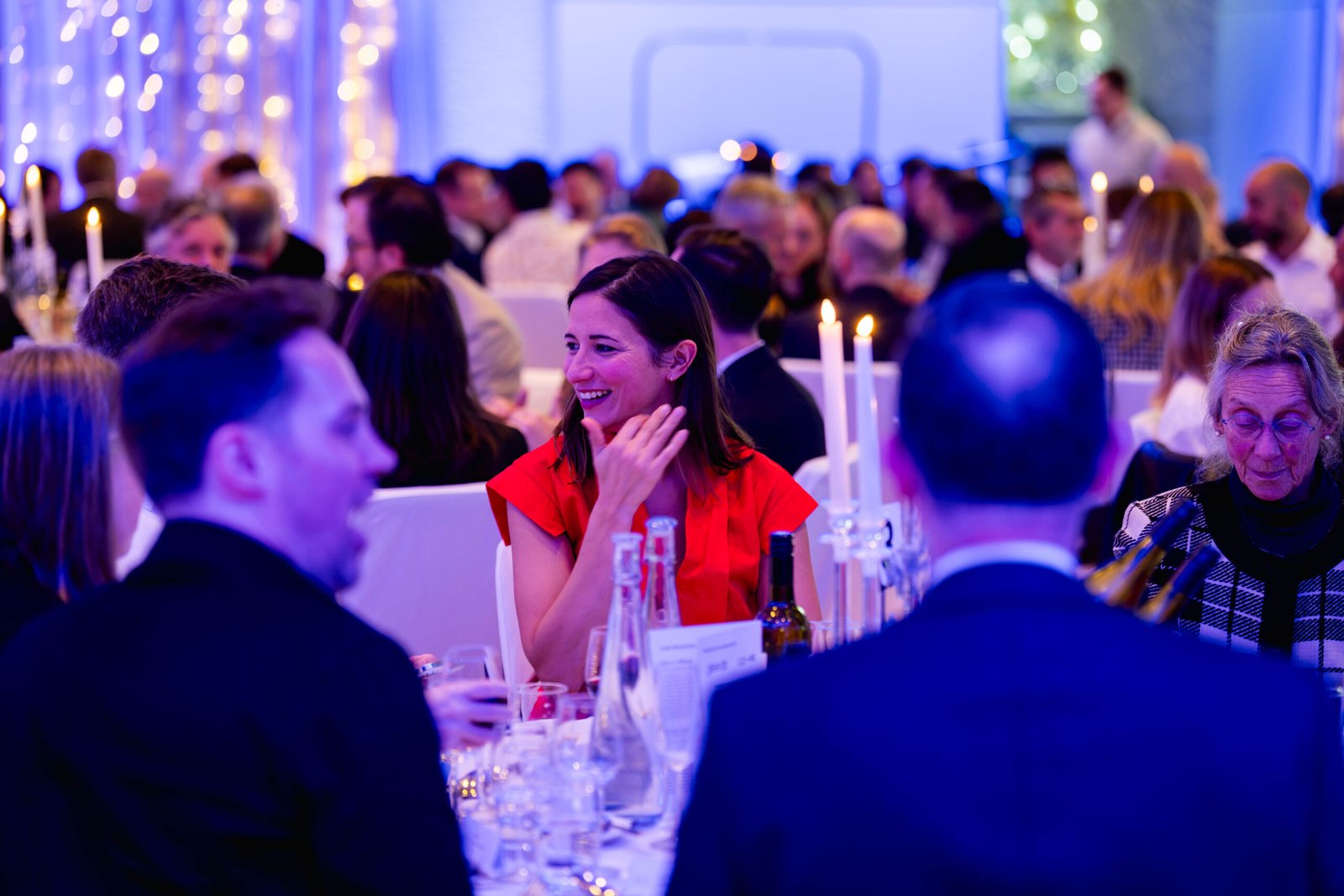
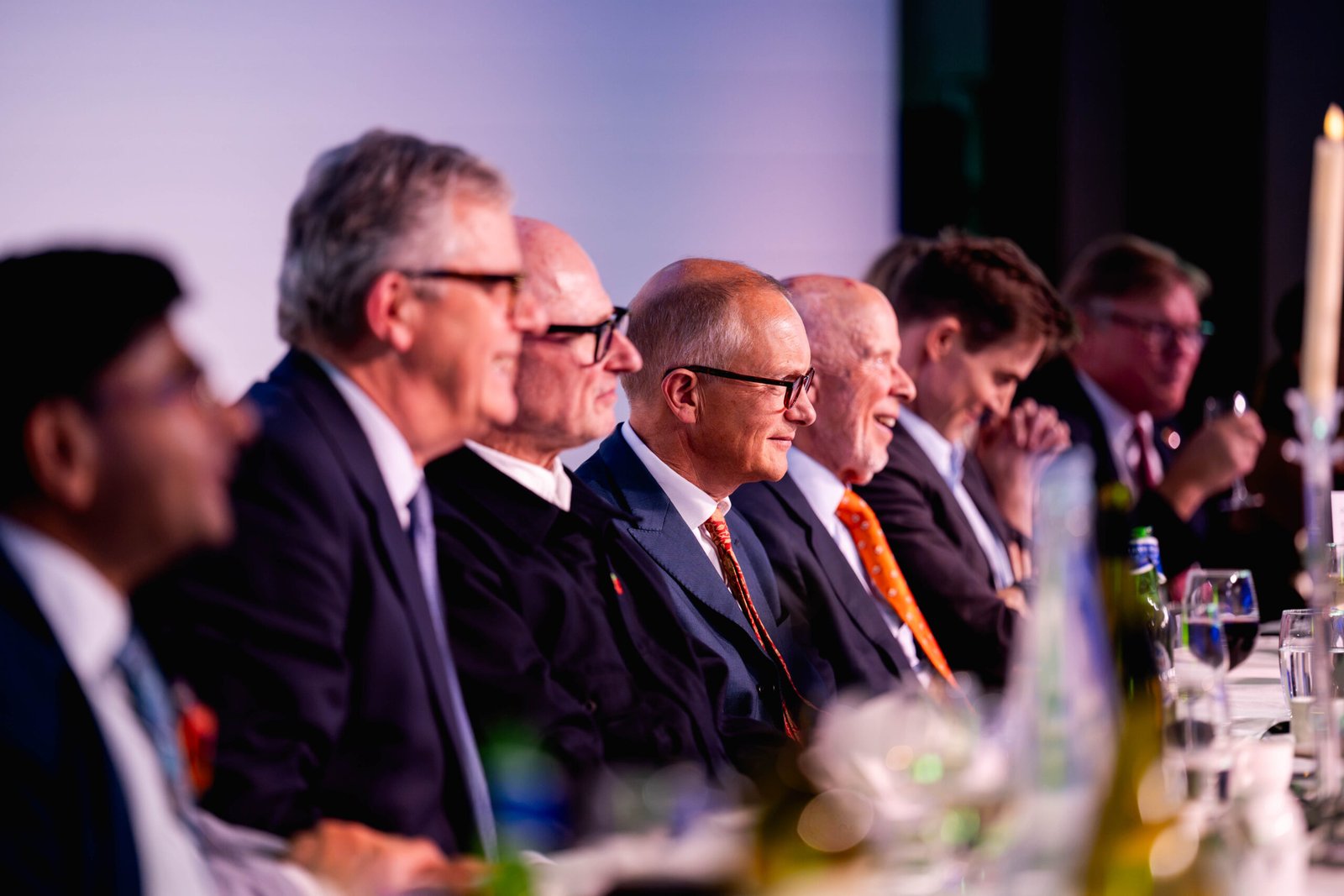
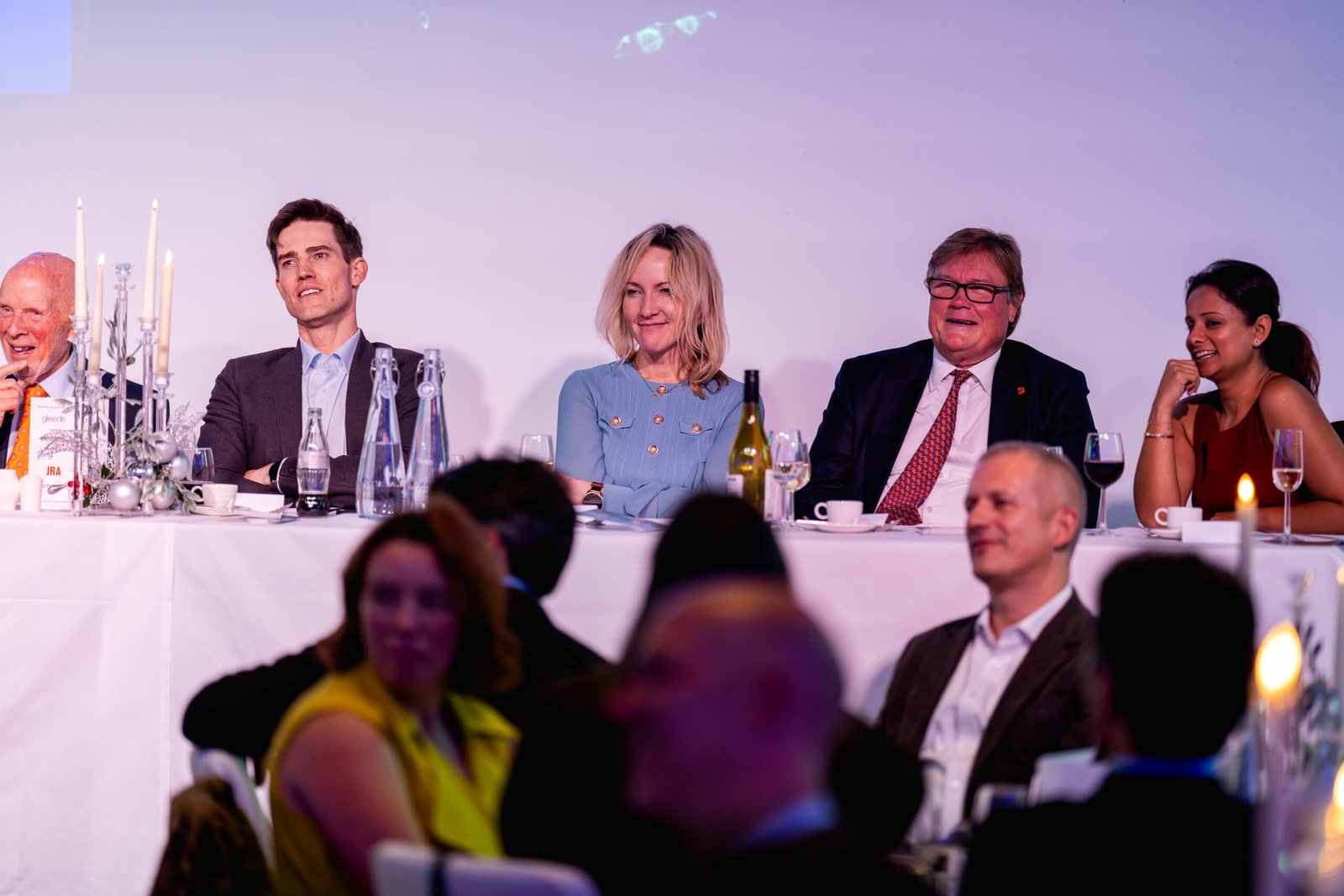
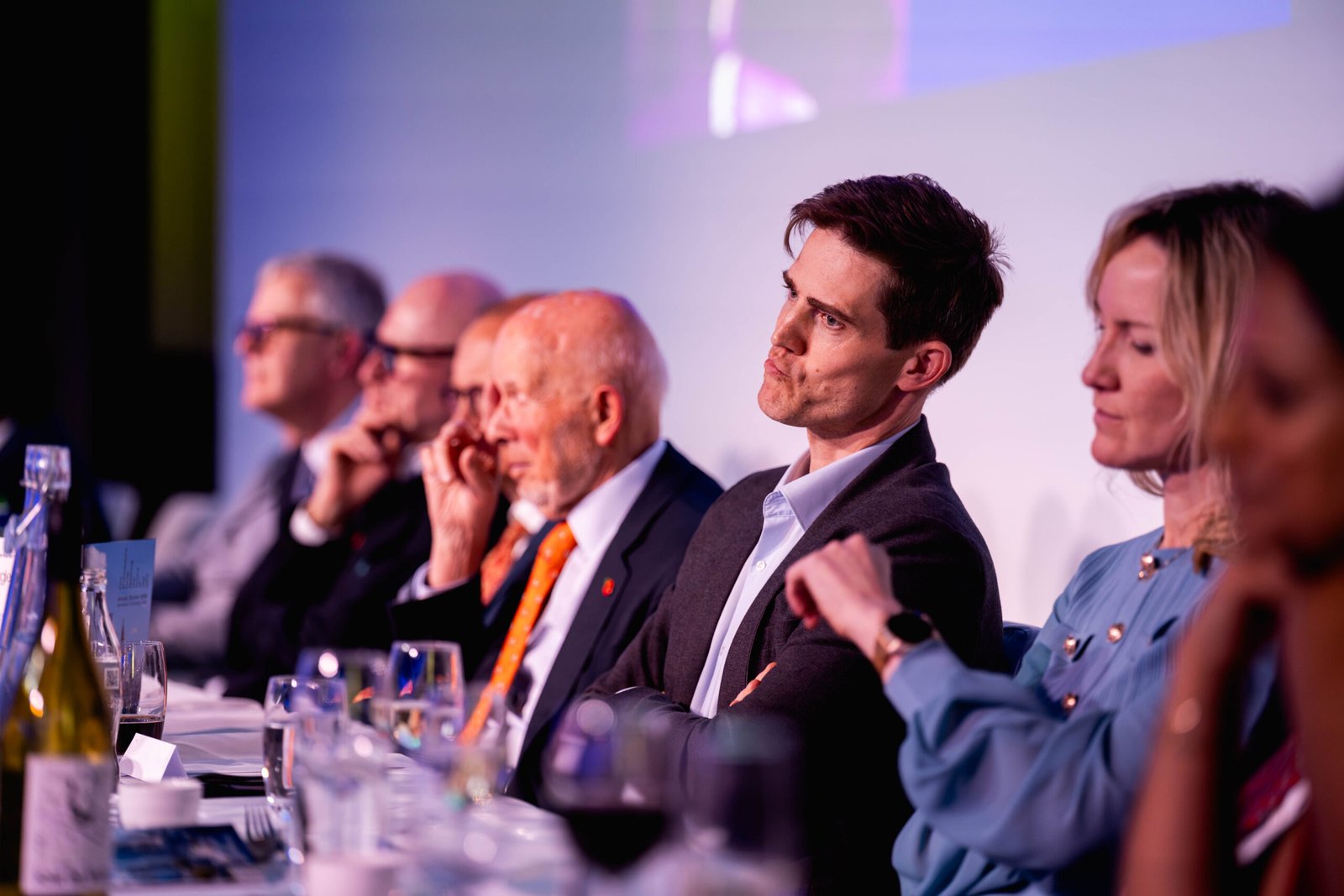
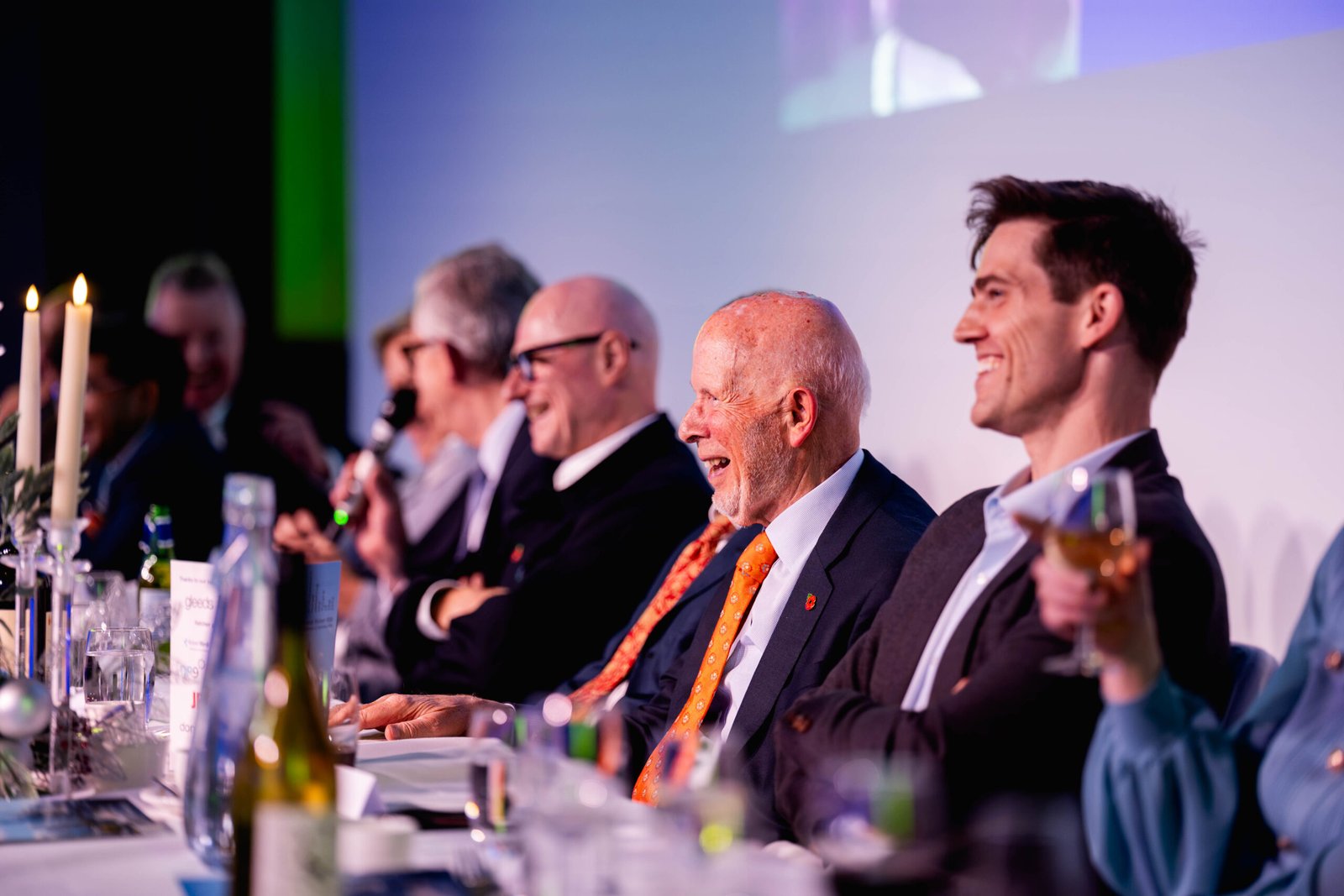
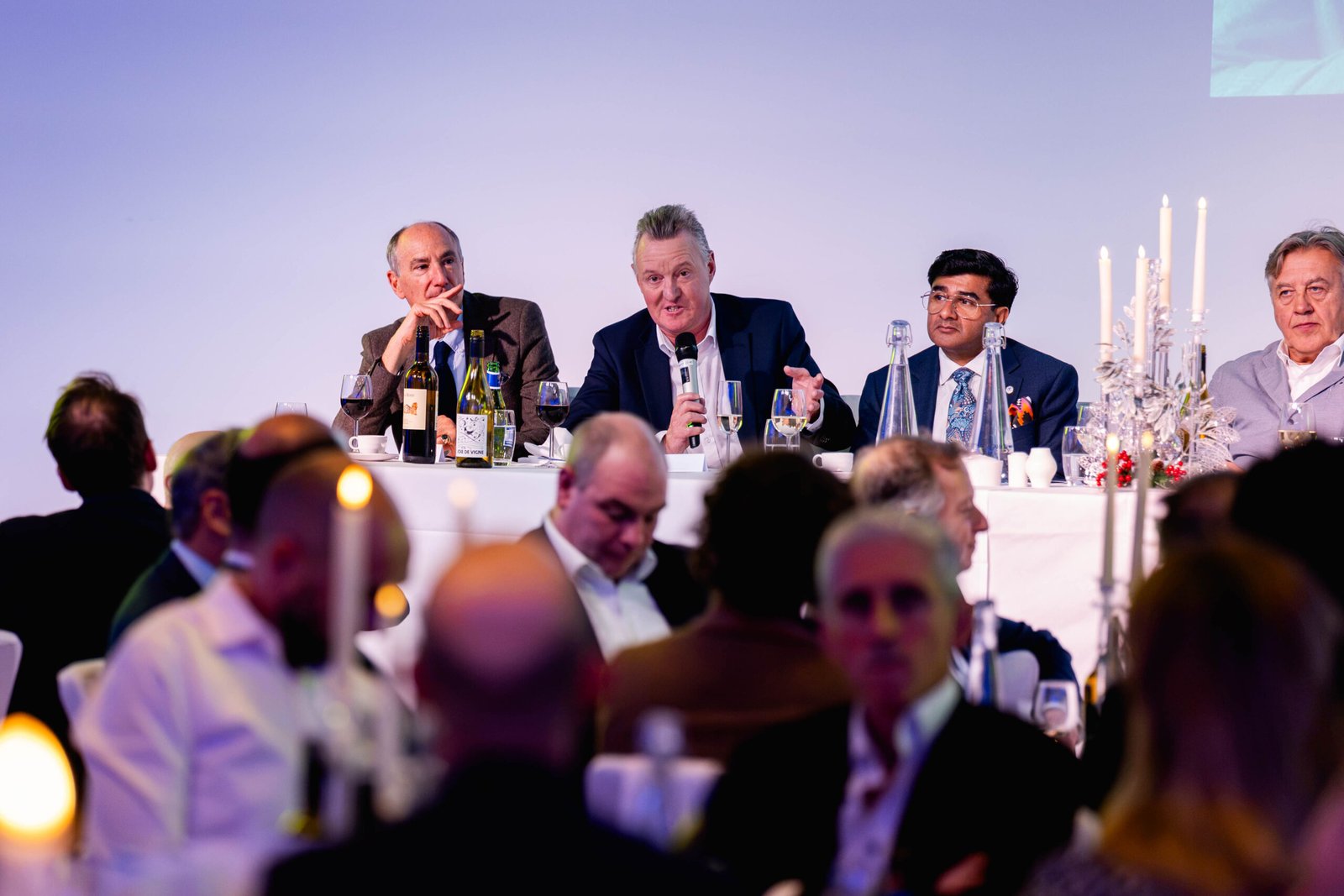
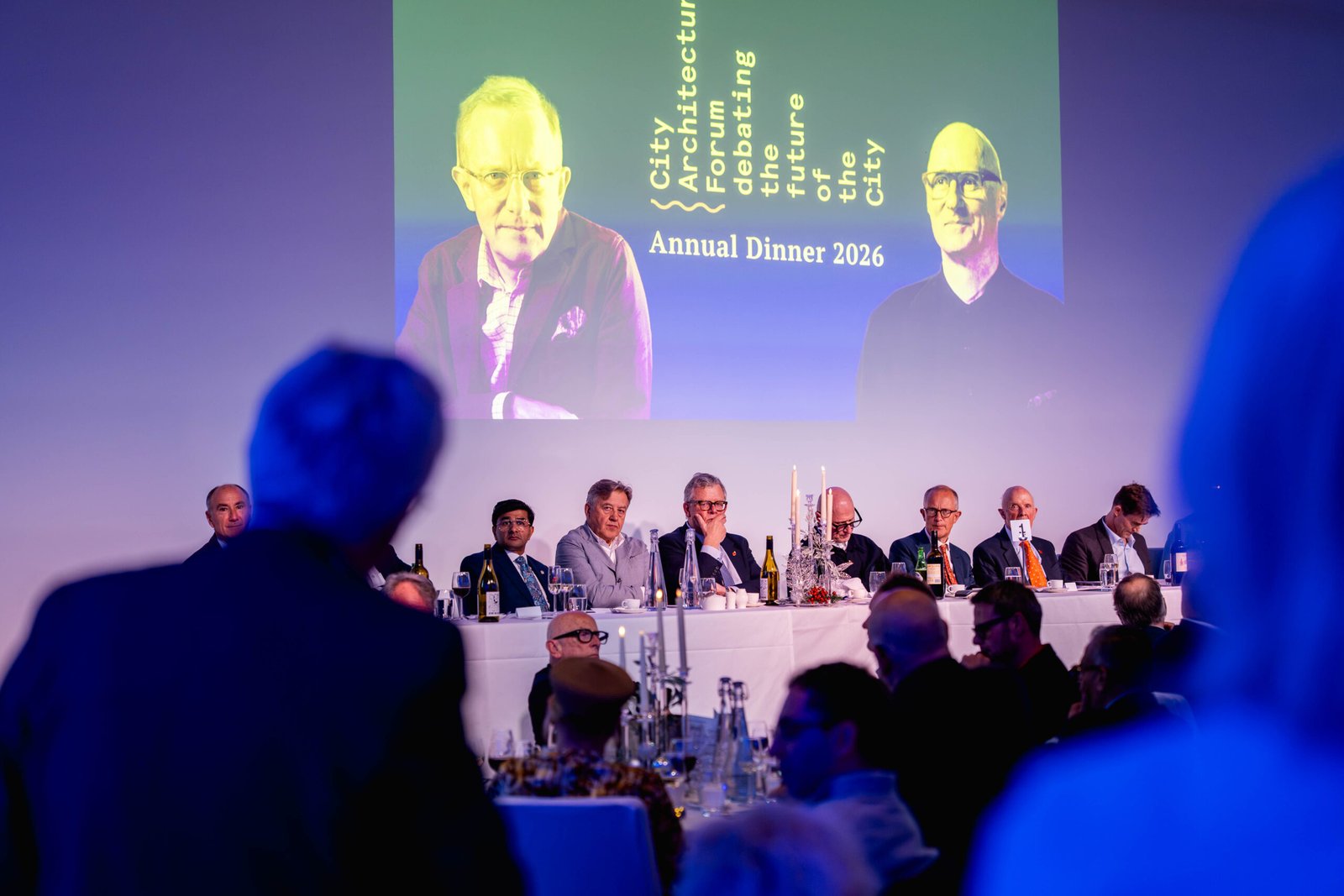
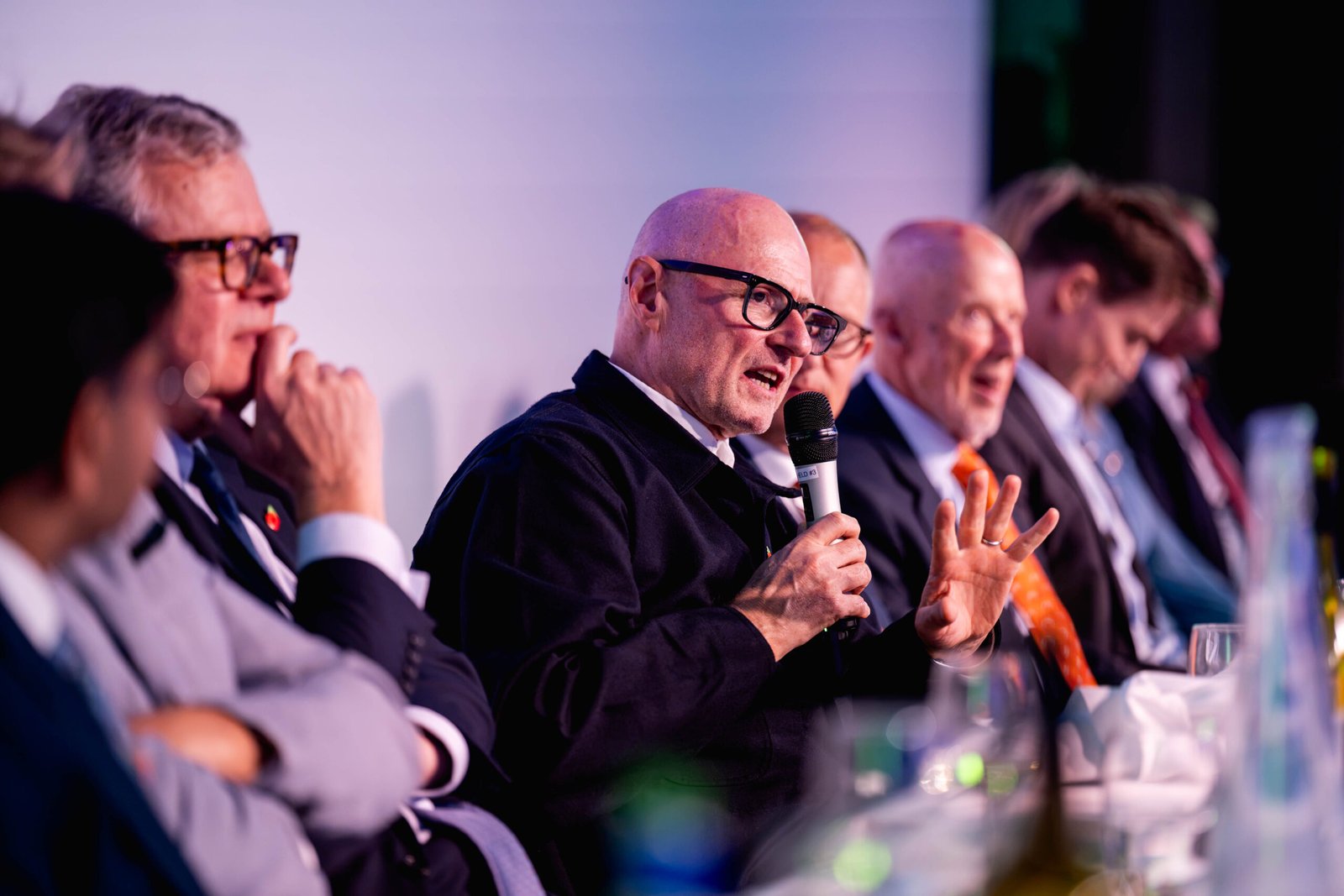
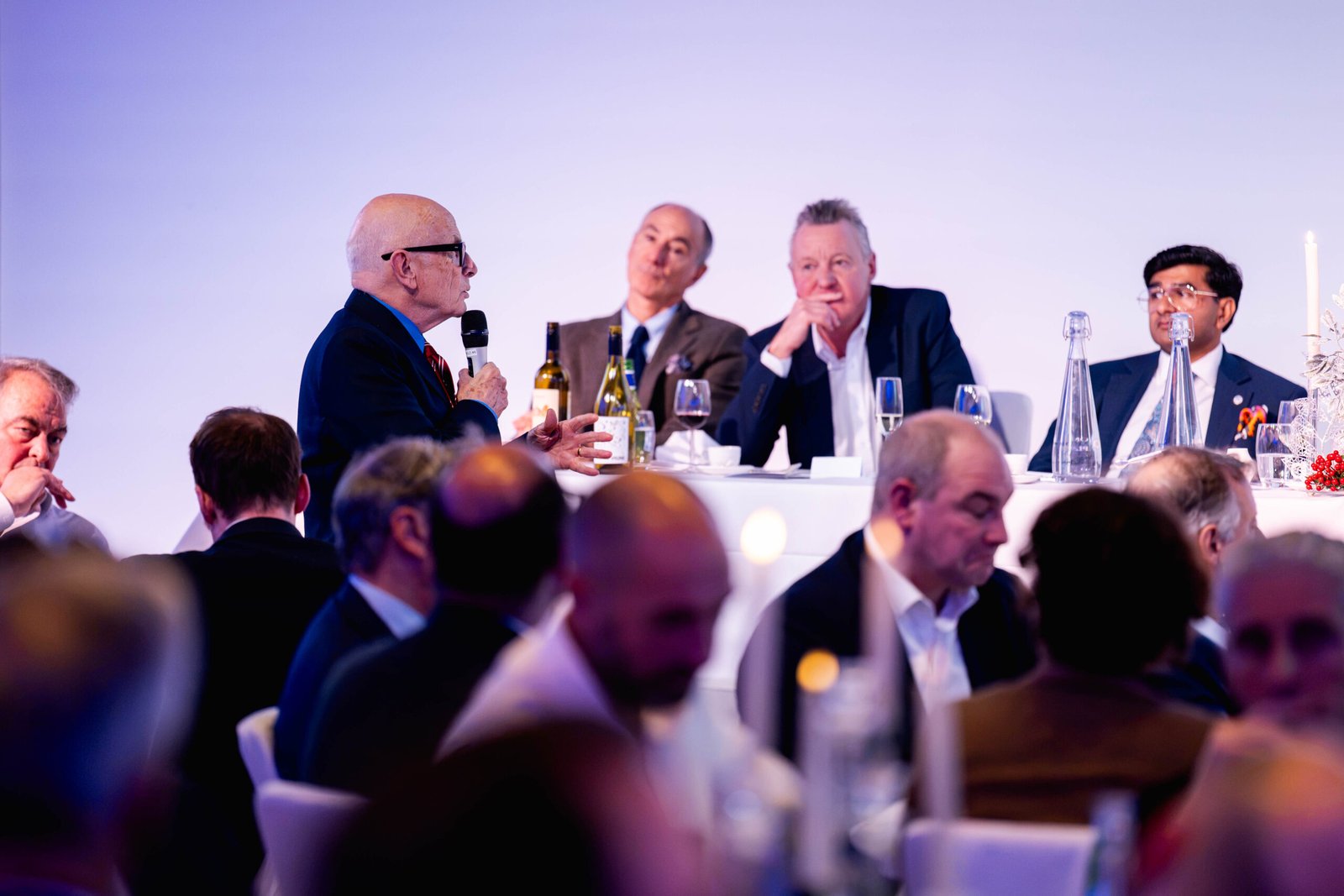
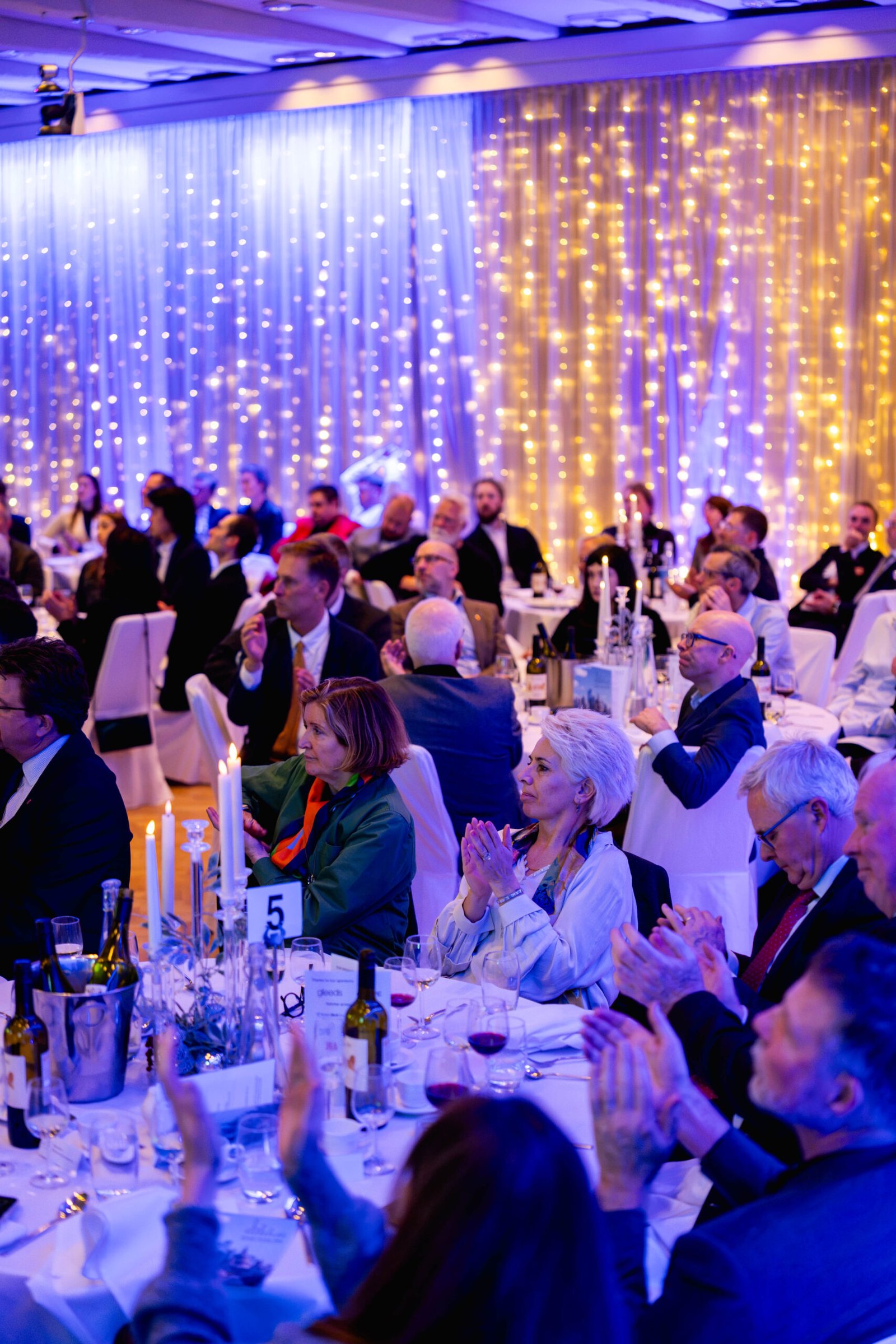
The two Simons, Thurley and Allford, gave different perspectives on the City’s architectural heritage and its future at CAF’s 35th annual dinner last week, writes Lee Mallett.


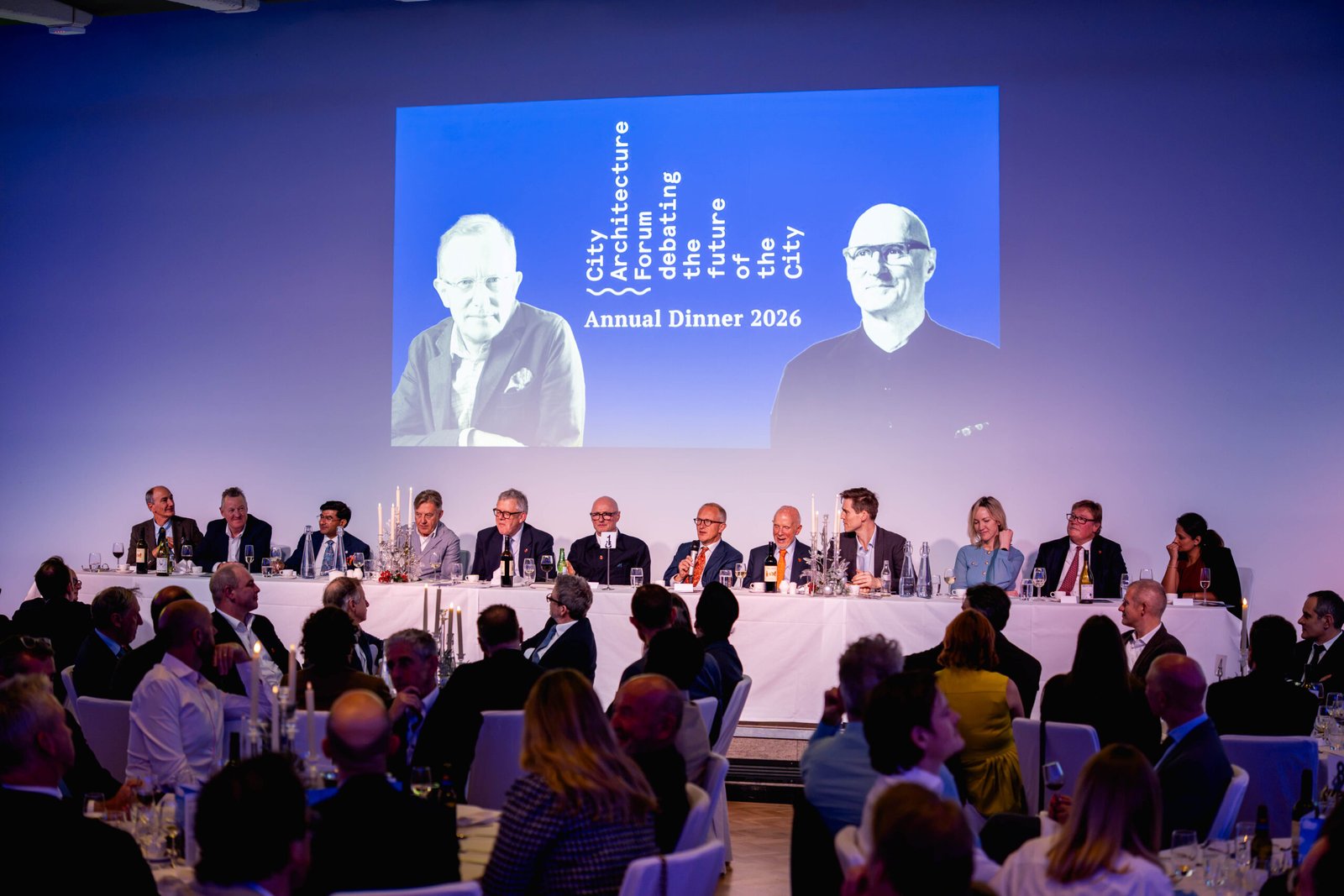
The two Simons, Thurley and Allford, gave different perspectives on the City’s architectural heritage and its future at CAF’s 35th annual dinner last week, writes Lee Mallett.
But both espoused the importance of design in sustaining the City’s dynamism, its heritage and future success.
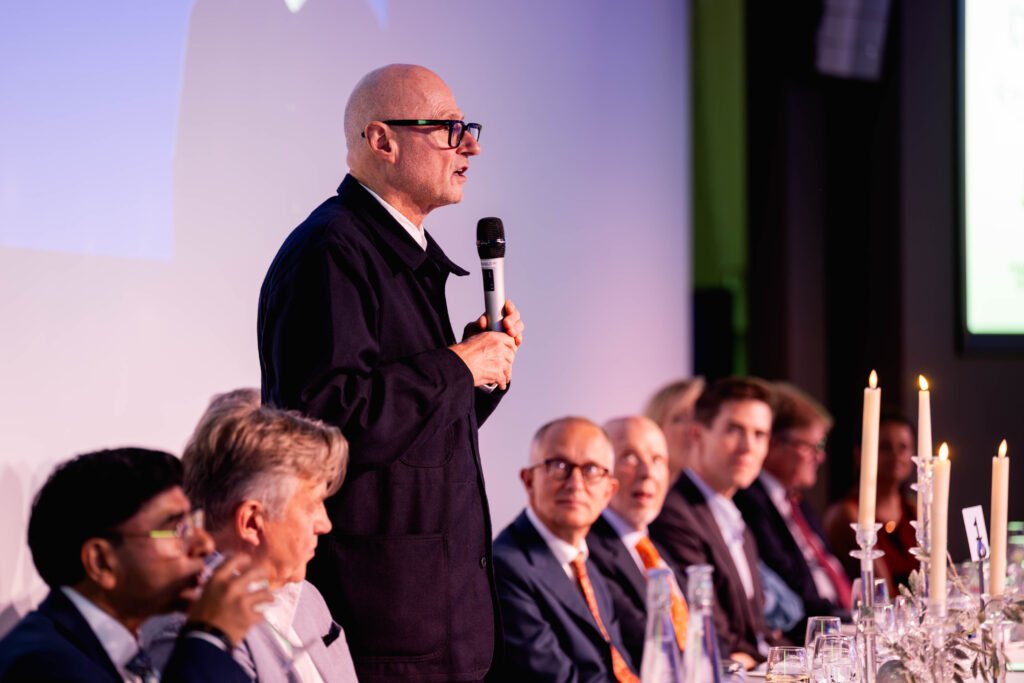
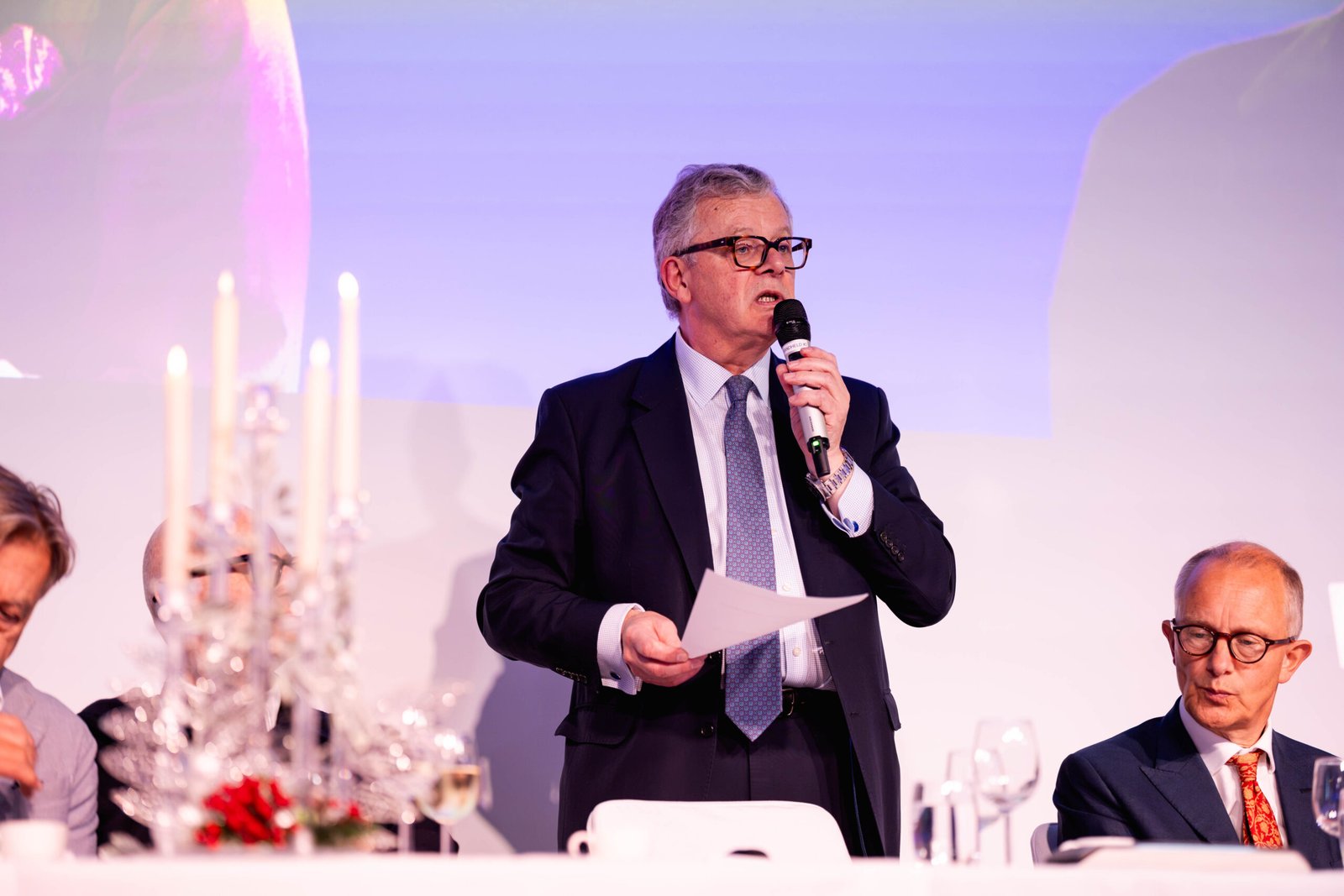
Simon Allford, co-founder of AHMM, harked back to Prince Charles’ 1987 Mansion House speech which prompted CAF founder Michael Cassidy to establish the Forum in 1991. Decades on from the Prince’s comparison of Big Bang development to the efforts of the Luftwaffe in the Blitz – ‘when it knocked down our buildings it didn’t replace them with anything more offensive than rubble!’ – Allford asked: ‘What has become of the City since?’
‘It remains a global financial centre, while Frankfurt with a population of 760,000 is the largest city in the state of Hesse – larger than Barnsley, but smaller than Sheffield – if somewhat richer than both combined,’ he said.
‘Today the City of London remains defiant. The Cluster has been consolidated, expanded and the City Plan 2040 (to be adopted on 4 December) is expanding it further, adding 12m sq ft of offices.’
‘Our King asked two questions’ in that speech said Allford, ‘Why should we keep striving to be “a stunted Manhattan” and “why don’t we have restrictions on every new building within 500 yards of historic monuments. After all that’s what the French do?”.’
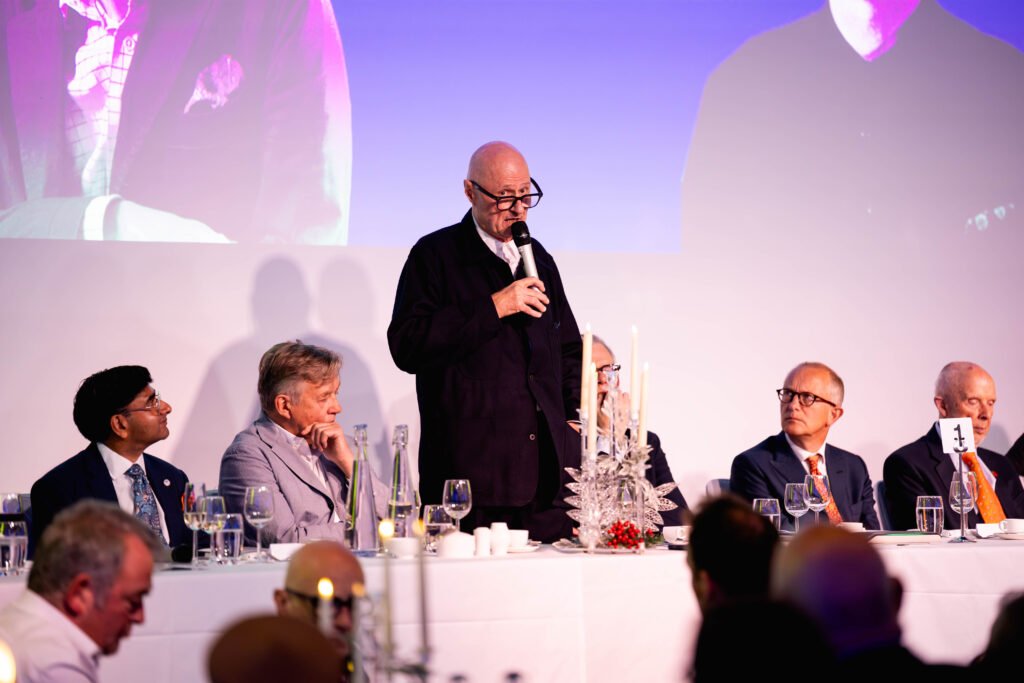
The answer to the first is: ‘The City is not “stunted” but tumultuously successful,’ said Allford. As for the second suggestion the City should copy the Parisian ‘zone interdit’ around monuments: ‘The City has 600 listed buildings, 28 Conservation Areas, 48 scheduled monuments – which would take ‘a bombing far in excess of the genius of the Luftwaffe, or the IRA, to eradicate,’ he pointed out.
And, he added ‘We should be forever grateful for the self-interest of the burghers of the City who [after the Great Fire] denied Sir Christopher Wren’s version of the City,’ said Allford, because it has left us with much of the Roman and medieval street patterns that generate the City’s character today, unlike the ‘monotonous and inflexible’ Hausmann’s Paris.
‘The City must demand more from all of us,’ said Allford. ‘It must push the circular economy and keep a watchful eye on the London Views Management Framework (LVMF)’ – a hot topic exercising City planners because of the current GLA review – ‘to ensure the verified, virtual world [of the LVMF] does not suffocate the intense reality of the City’s silhouette,’ said Allford.
‘I’m not sure why we worry about reports from UNESCO over the impact of tall buildings on the Tower of London,’ he added. ‘UNESCO’s ‘…efforts would be much better focused elsewhere in the world where ancient monuments are being destroyed in acts of cultural terrorism, disguised as war.’
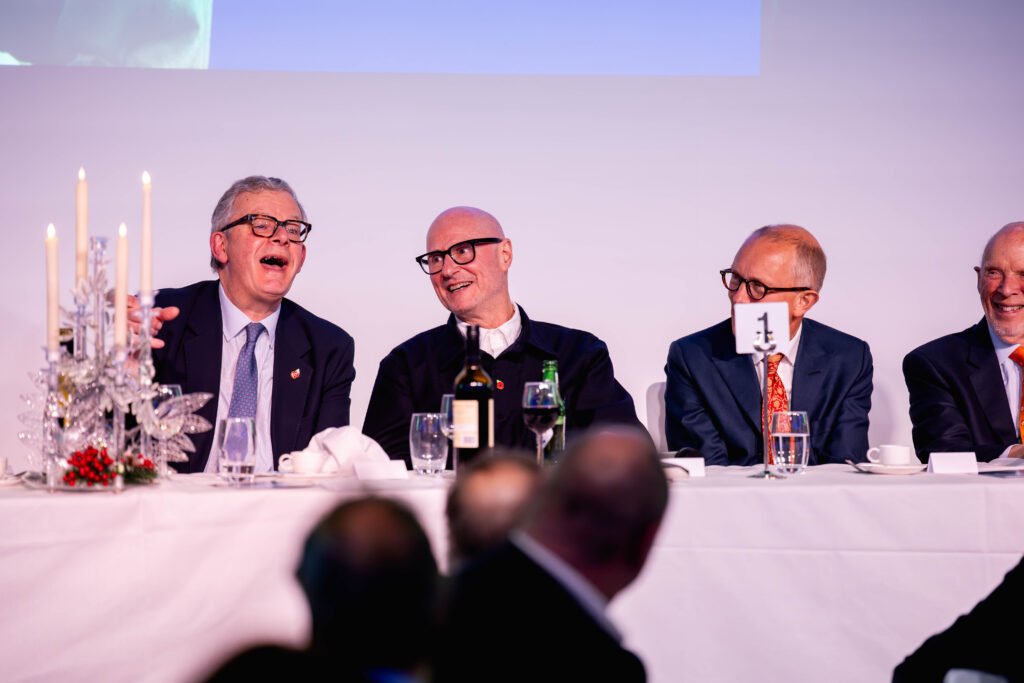
New buildings, he said: ‘Must be better buildings. Generous in volume, form, façade and the promenade within. They are ‘a container for the endlessly changing future that will unfold in and around them – the stage sets for the theatre of everyday life.’
He concluded quoting the character Harry Lime’s line from the classic film, The Third Man: ‘In Italy for 30 years under the Borgias they had warfare, terror, murder and bloodshed. But they produced Michaelangelo, Leonardo da Vinci and the Renaissance. In Switzerland, they had brotherly love, five hundred years of democracy and peace, and what did they produce? The cuckoo clock.’
‘The City of London is and must remain the living City – enriched but not enthralled by its history. We have a collective responsibility to ensure the City does not become a cuckoo clock.’
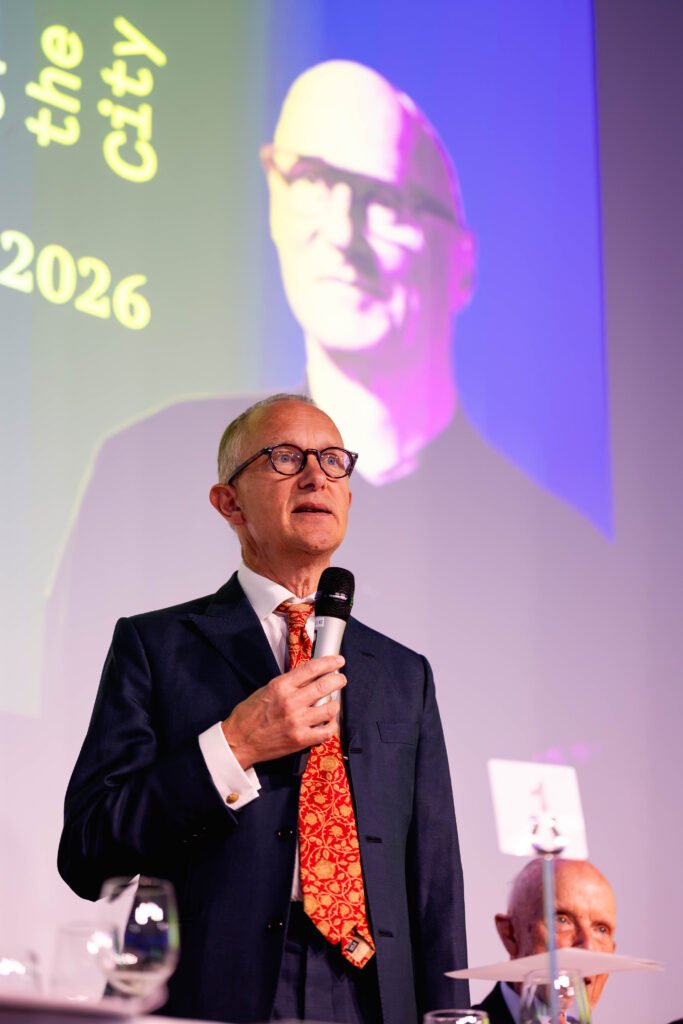
Simon Thurley, architectural historian, author, and former boss of both London Museum and English Heritage (now Historic England) described the waves of destruction that have afflicted the City from Boudicca’s burning of the Roman City to the Blitz, and its post-war and post-Big Bang development eras.
‘Change is the engine behind this City’s success. Absolutely radical changes that have expunged swathes of the City and replaced them with buildings more suitable for the economic challenges the City faced.’
‘There have been some constants,’ Thurley asserted. ‘You might describe those constants as “heritage”. And the first of those is that because Wren did not manage to replace the medieval city we still have a plan based on the Roman plan.’
This has given us ‘The extraordinary experience of walking the streets of this City. An experience you don’t have in any other European city,’ said Thurley, ‘the courts, the lanes, the alleys, the surprises, the glimpses.’
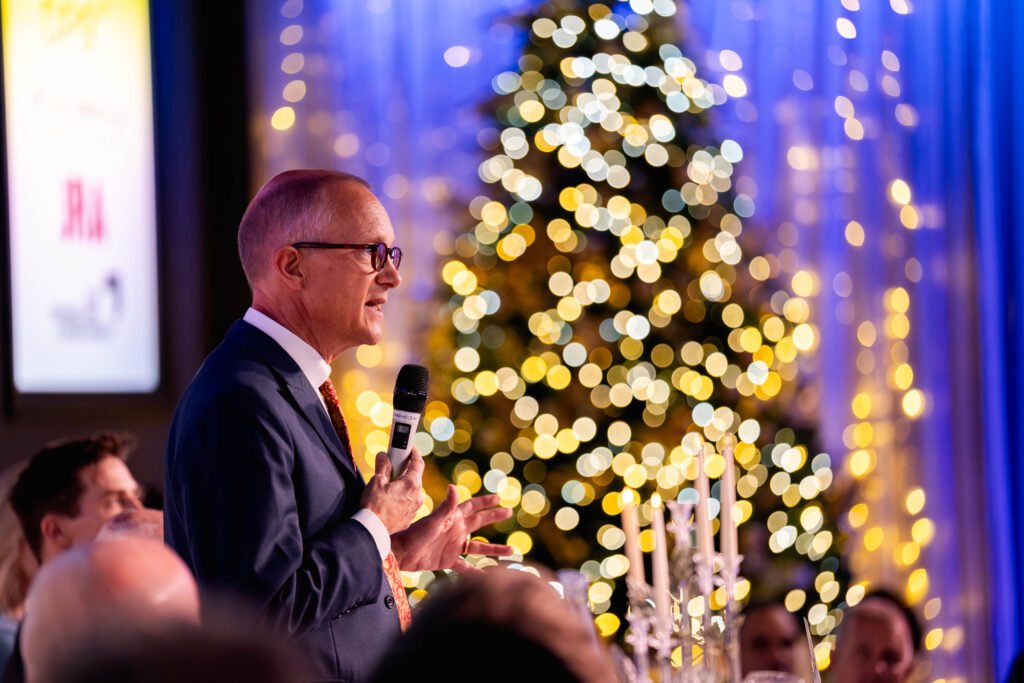
Also the City’s architecture has been ‘very distinctive’. This and the City’s street plan, ‘are the big challenges that the planners, architects and developers face he argued.
‘When you build these very, very big buildings, there may be a nice view on the 30th floor, but I don’t think we have yet been very successful in making them nice places to walk past,’ he challenged. ‘In some parts of the City, walking through great canyons, with steel and glass either side, they can be hostile. That’s a big challenge for architects.’
The second challenge, he said, ‘is the international nature of architectural design.’ Buildings in London have ‘a very intense individualistic feel and struggling to recreate that is one of the big challenges. My pitch this evening is how can we retain the delight, joy, excitement and serendipity of London?’
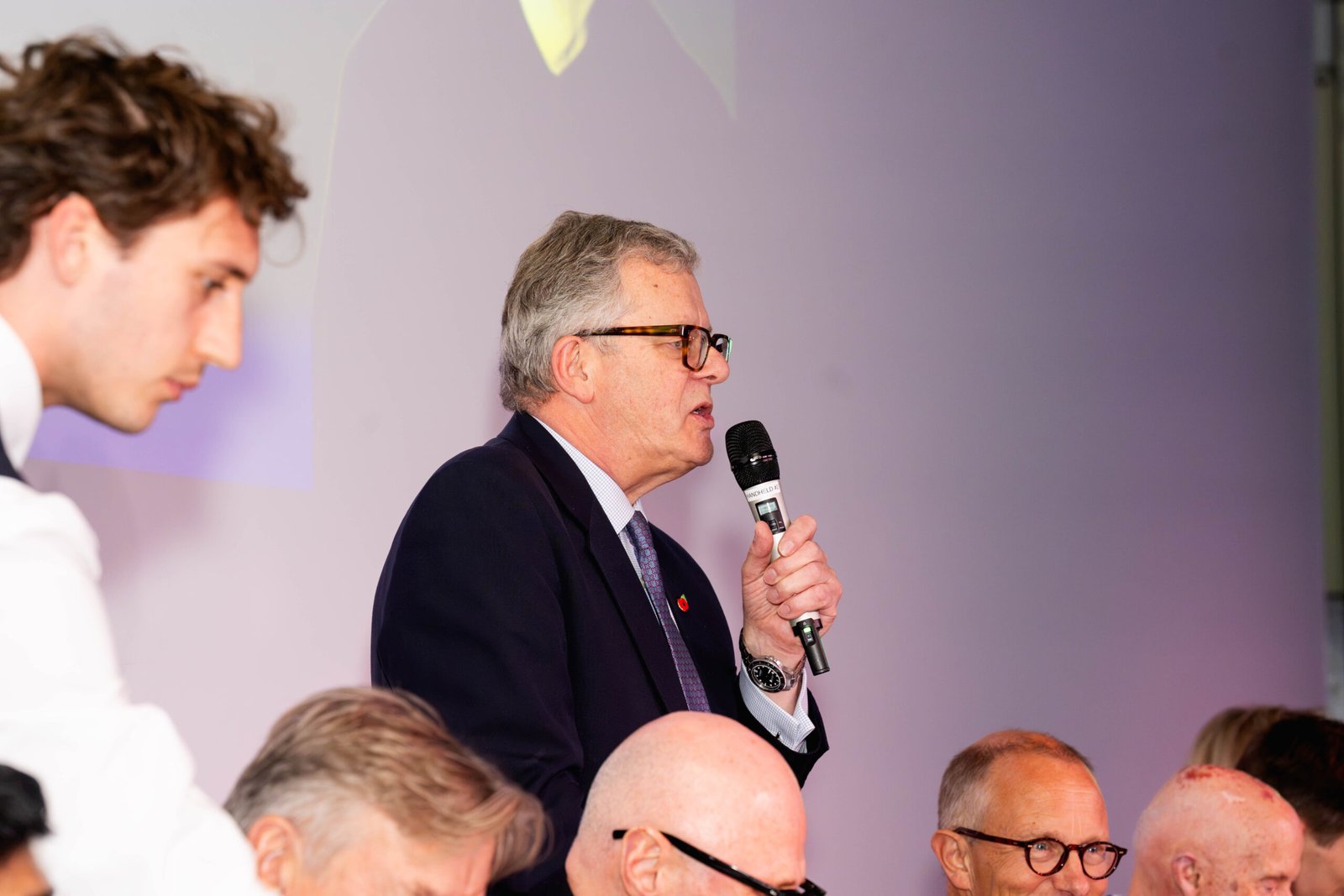
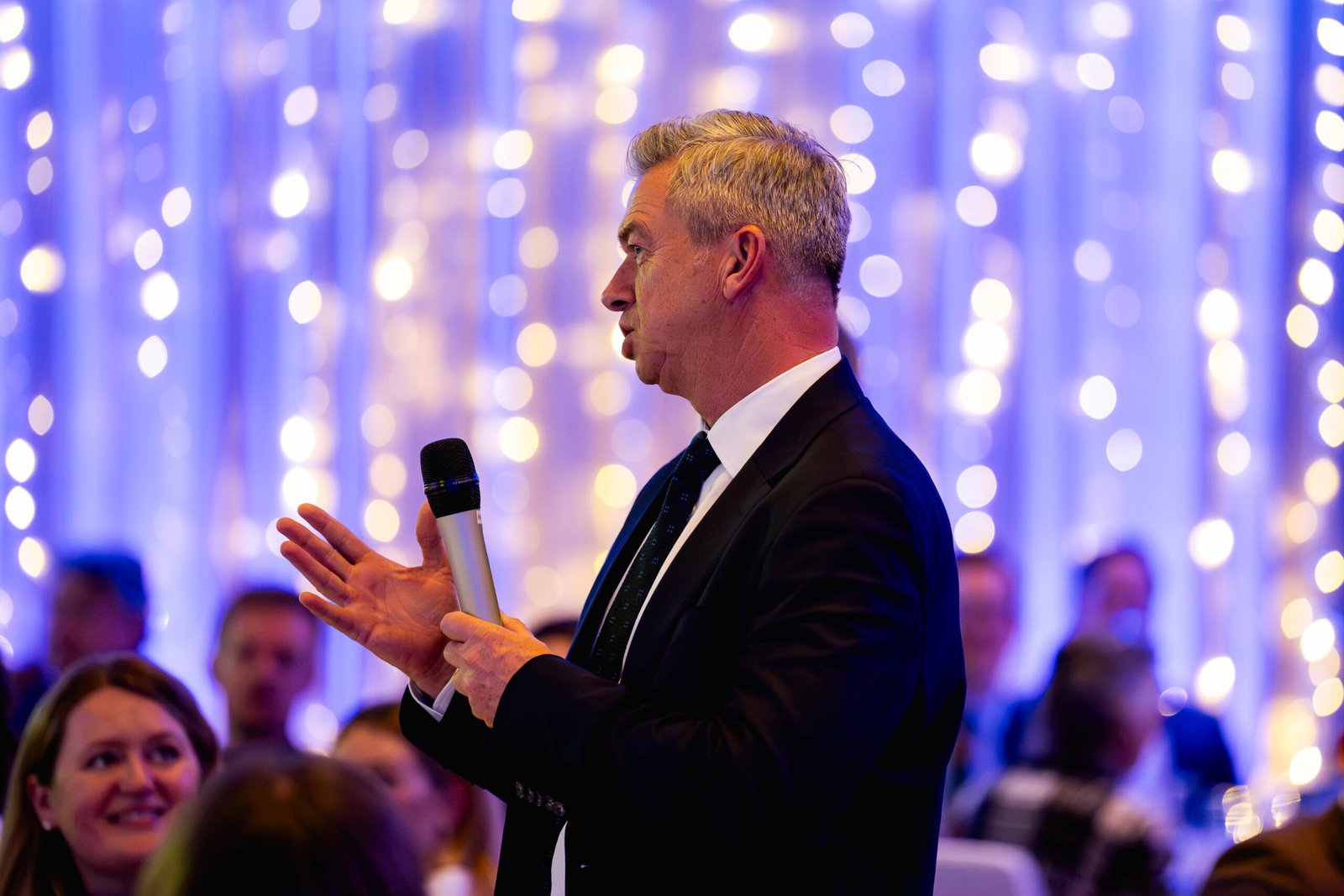
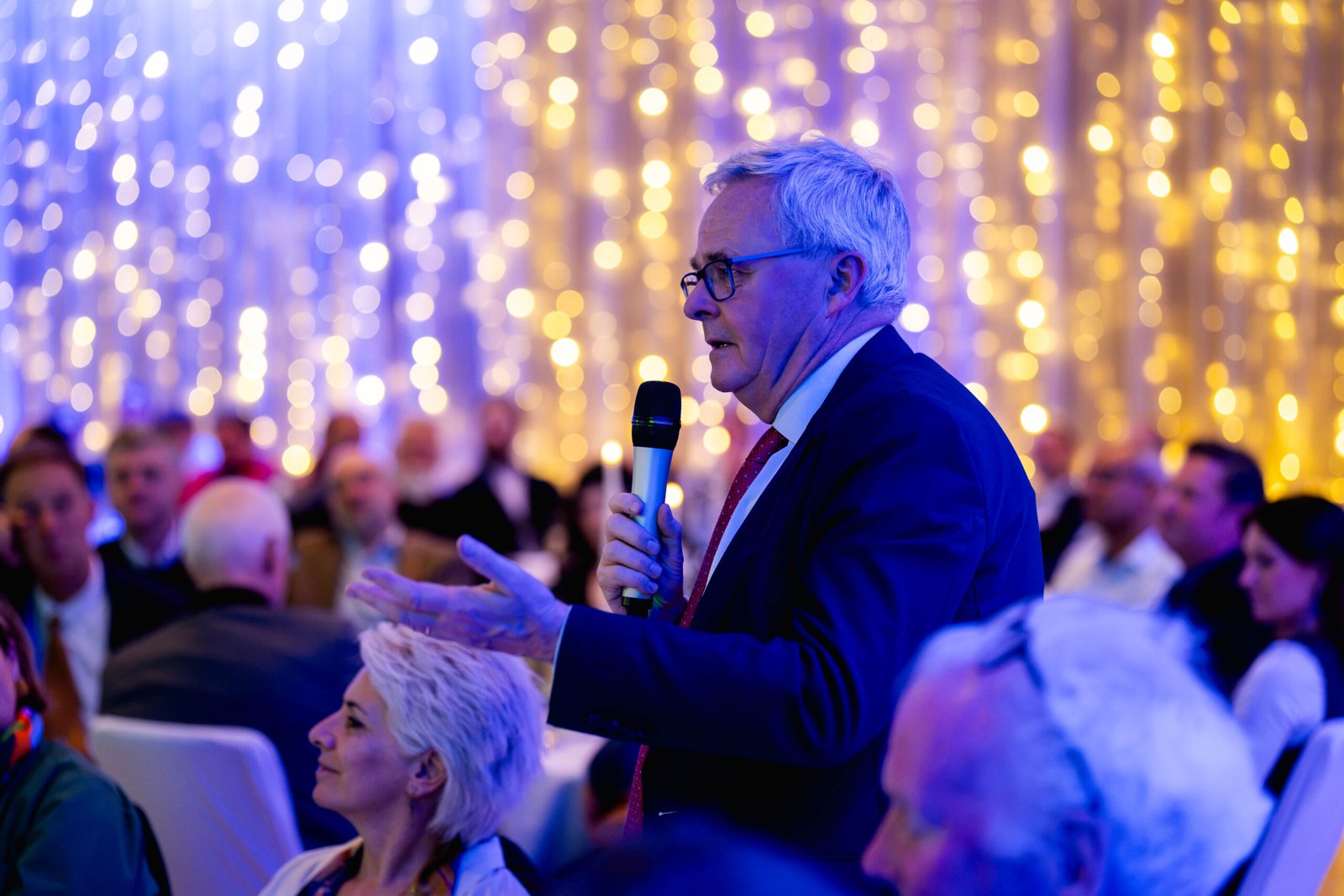
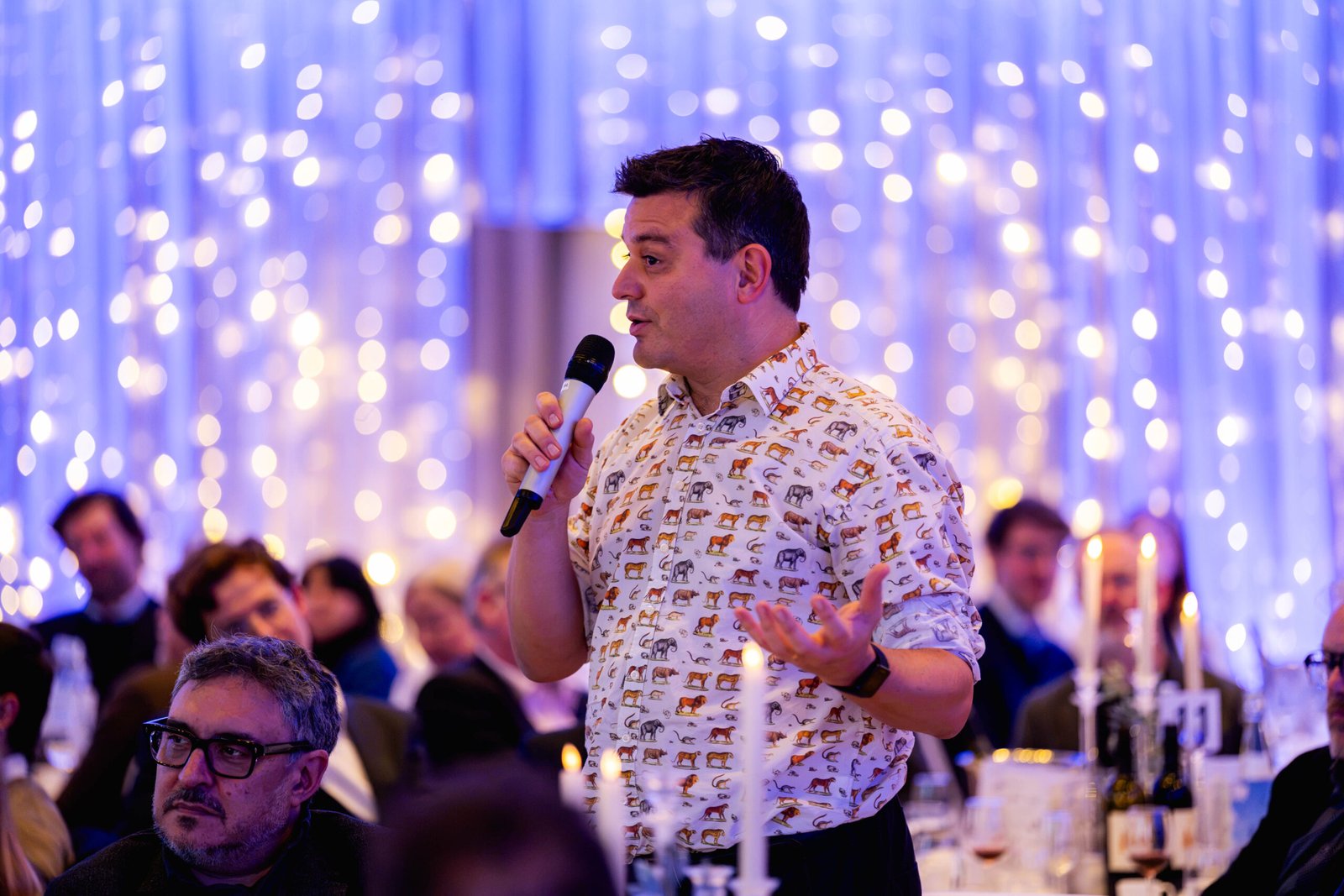
In Q&As David Ainsworth of developer CO-RE picked up on the suggestion that the ‘international’ style of major developments ‘might be anywhere’ and asked Allford and Thurley to respond.
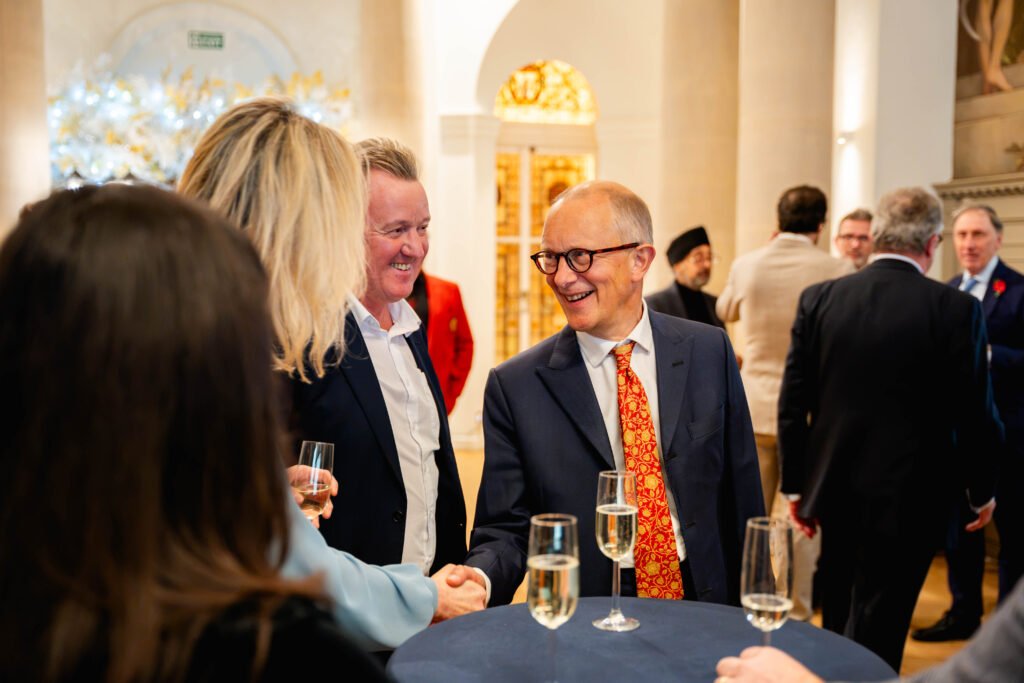
Thurley agreed it was difficult to build very big things on a medieval street plan, making sure those things are good to walk by and that reinforced the character of the place ‘rather than negate it’. ‘All of us have our personal views about what buildings in the City have been successful in beating those criteria, and those that we think weren’t so good.’
‘Any good architect responds to their client and the place – an American in Paris or a Londoner in New York,’ observed Simon Allford. ‘The problem is responding to the history of the place. The difficulty of the street pattern and the incredibly complex rules…forces us to make better buildings. In a good way we’ve got loads of problems and that makes the design smart.’
Ian Craig of engineer Evolve asked, to add life to the City’s streets, why couldn’t City policy seek ‘only 30% of the ground floor [in major developments] for office space and the rest has to be public realm?’

City Planner Gwyn Richards replied: ‘That would pretty much obliterate development potential for most sites. You need to be creative. 85 Gracechurch Street is a really good example of how you can get more than 30% public realm with a tower on top. 55 Bishopsgate is another.’
NLA founder and London Mayoral candidate Peter Murray reminded guests of the difficulties of building in the City and that Canary Wharf’s development had been essential to accommodate growth after Big Bang ‘because even Peter Rees couldn’t find enough spaces for groundscrapers in the City.’
‘London is not an either/or, it is a “Yes” and “More” place. How boring would it be if we didn’t have Canary Wharf – which is reinventing itself,’ Allford responded.
‘I’m not mad keen on what’s going on in Vauxhall, but it once was a non-place. The idea that multiple parts of London compete with each other to make a city that works better is a strength. The City has to compete, globally and locally and that makes it smart.’
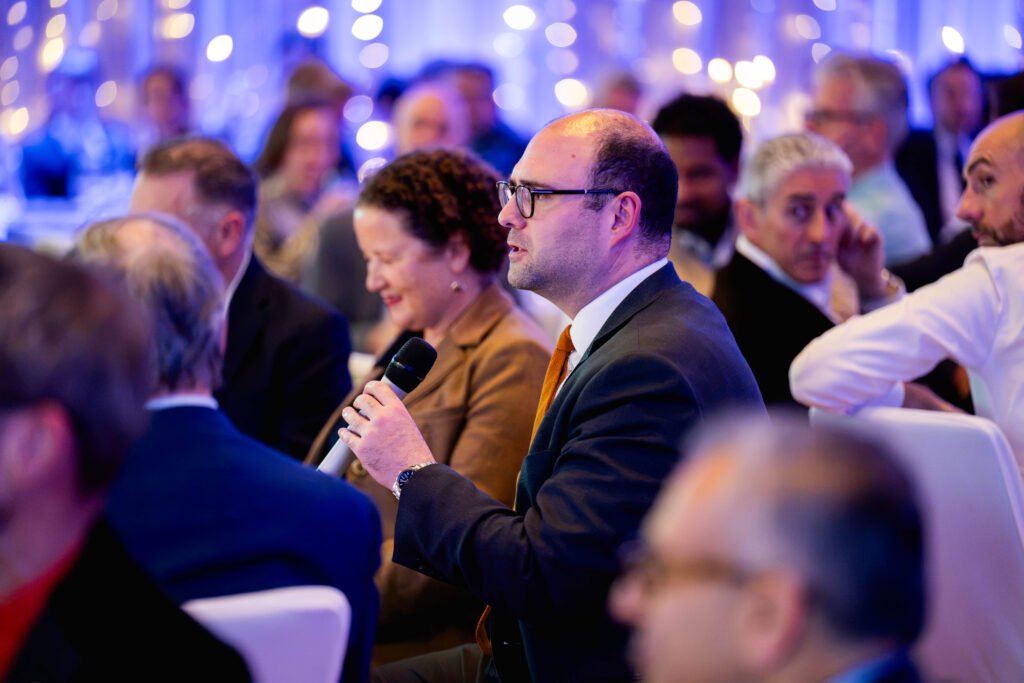
Richard Golding of Gleeds asked a question prompting other questions and answers: ‘How long do you think it will be before the protected views of St Paul’s will be abolished?’ he wanted to know.
Simon Thurley said: ‘There are a very small number of buildings that are instantly recognisable…St Paul’s Cathedral is one. It was designed for two purposes. One, to demonstrate the commercial virility of the City. And secondly to provide a theatre of State. To do that it needs to be visibly recognisable on the horizon. Of all UK planning policies, the one that carries the most public support, I think, is the protection of the St Paul’s views.’
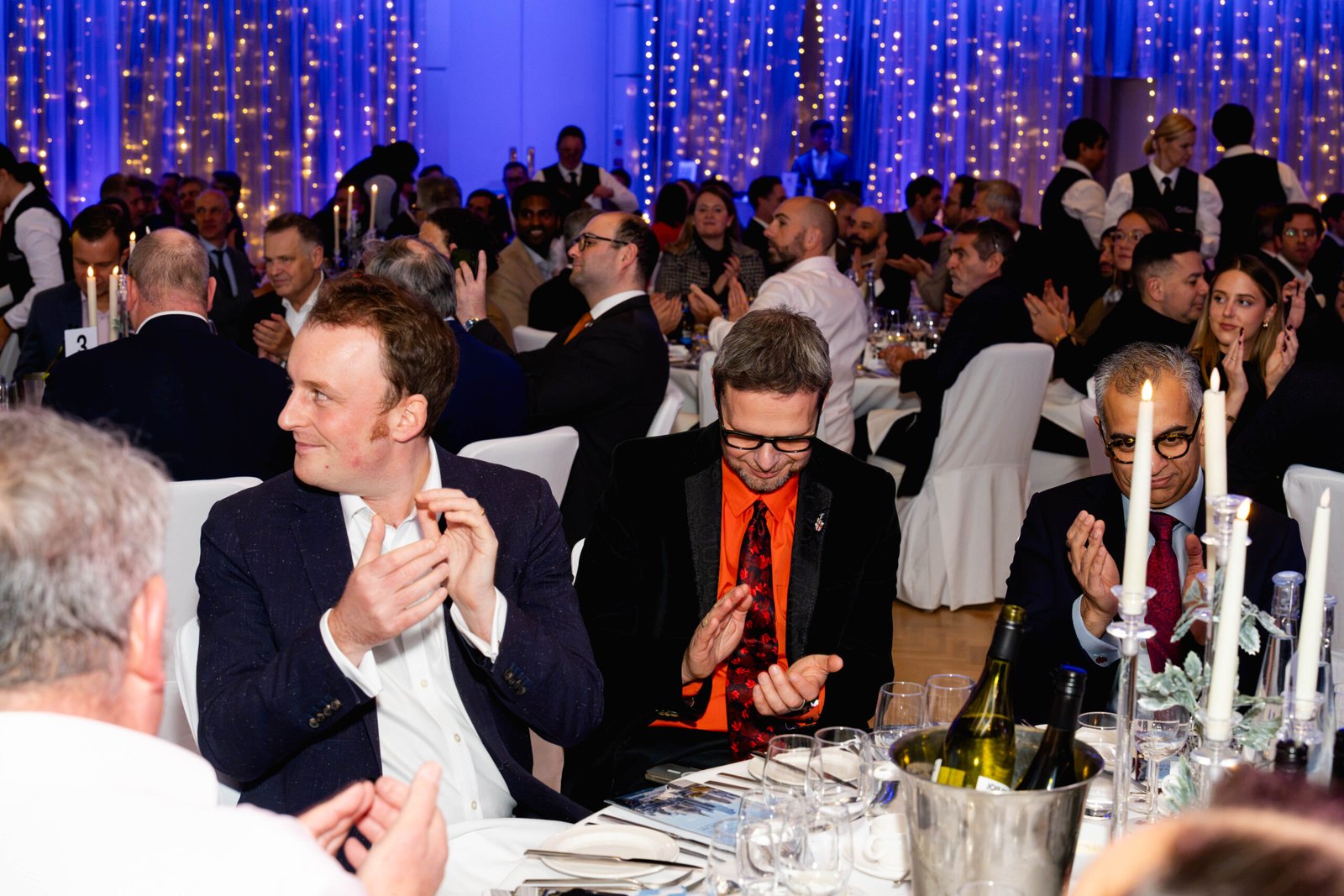
Another guest questioned the ‘opportunity cost’ of protecting those views: ‘There is potentially an enormous economic cost. We’ve never really had a debate [about the LVMF] because the views are so totemic. No one really experiences the City or the Tower of London from a single point. So many major planning decisions hinge on this artifice. This is not to question the merit of the buildings, but how do these views interrelate with a growing modern City? There is a debate we should have.’ (Applause)
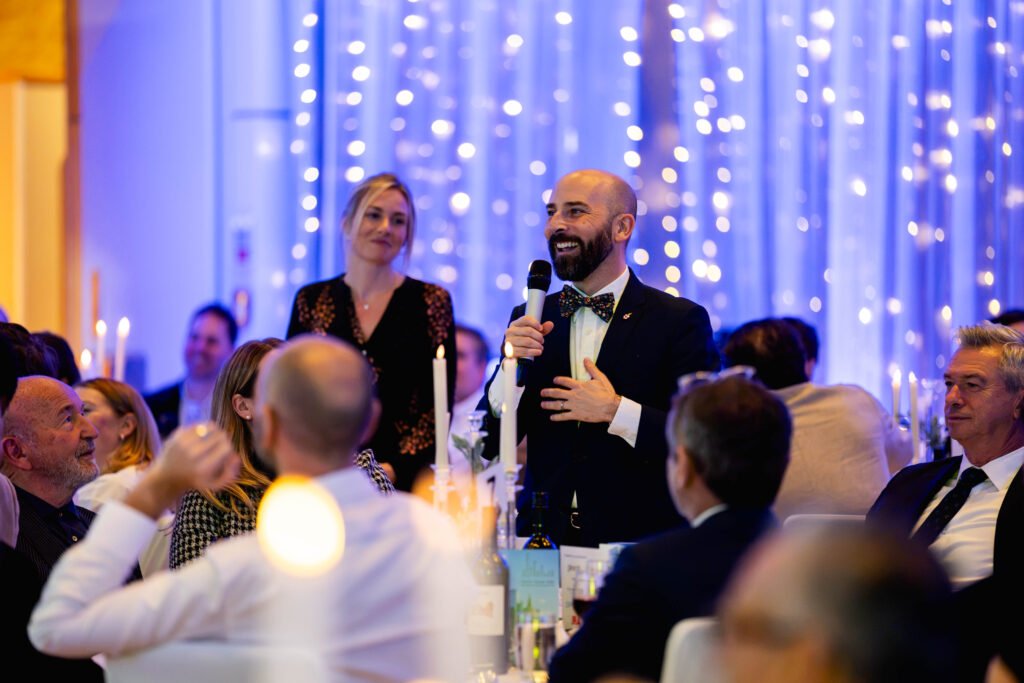
Townscape Consultancy’s JJ Sarralde pursued the point about the impact of heritage on growth: ‘In a few months’ time we will all be interested in UNESCO’s mission [thought be early in 2027] to look at the Tower of London World Heritage Site,’ he said. ‘What will change if it stops being a World Heritage site?’
‘Surprisingly I agree with you,’ said Simon Thurley, a former head of English Heritage and a board member of the Heritage Lottery Fund. ‘I think UNESCO are self-appointed experts who know nothing about our planning system, or about how much care we take in decisions relating to heritage.’ (applause)
‘I can’t think it would make a bit of difference if it came off their list. But the Government minds a lot,’ he warned.‘The DCMS (Department for Culture Media and Sport) minds a great deal about this and it is regarded as a national humiliation.’
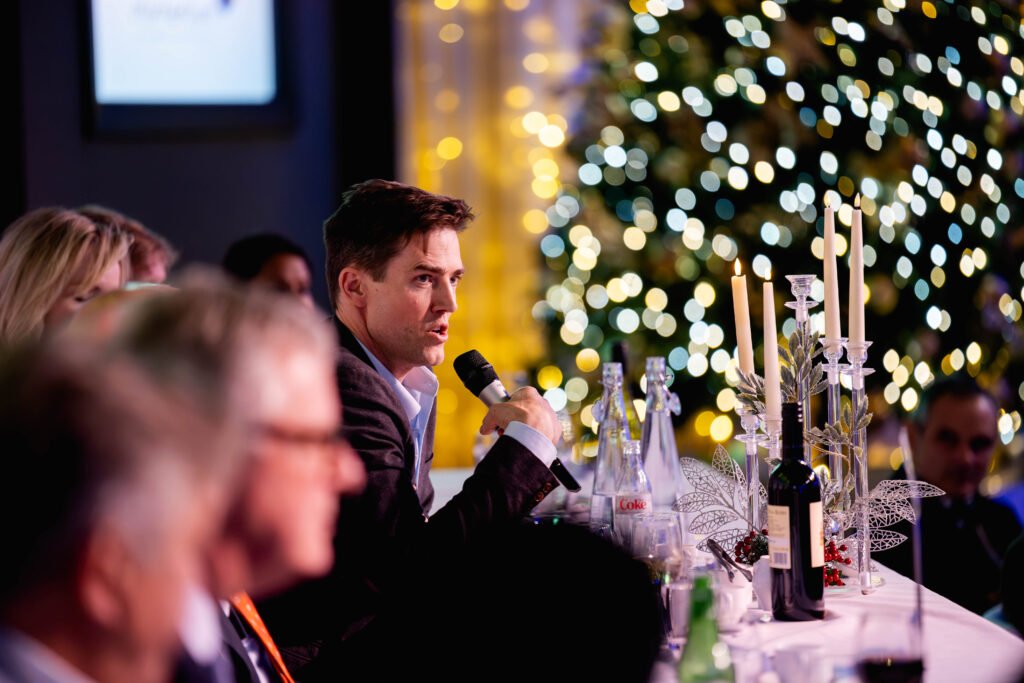
Planning and Transportation Committee chairman Tom Sleigh weighed in with a concluding comment: ‘I’d just reflect that crucially and highly unusually our Local Plan was inspected twice, and specifically over the interaction of tall towers…with the Tower of London.’
‘Having come through that process, we’ve come through stronger because we now have a ministerial direction…saying it cannot go any further to achieve the balance between growth and heritage. That intervention ‘was frustrating…but it was useful,’ he said.
‘Formally we will welcome UNESCO and do what we can to facilitate the visit. But it’s now out of our hands. We will adopt the new City Plan 2040 on 4 December. At that point, Historic England, the DCMS, UNESCO…well…I wish them the very best of luck.’
(Laughter, applause).

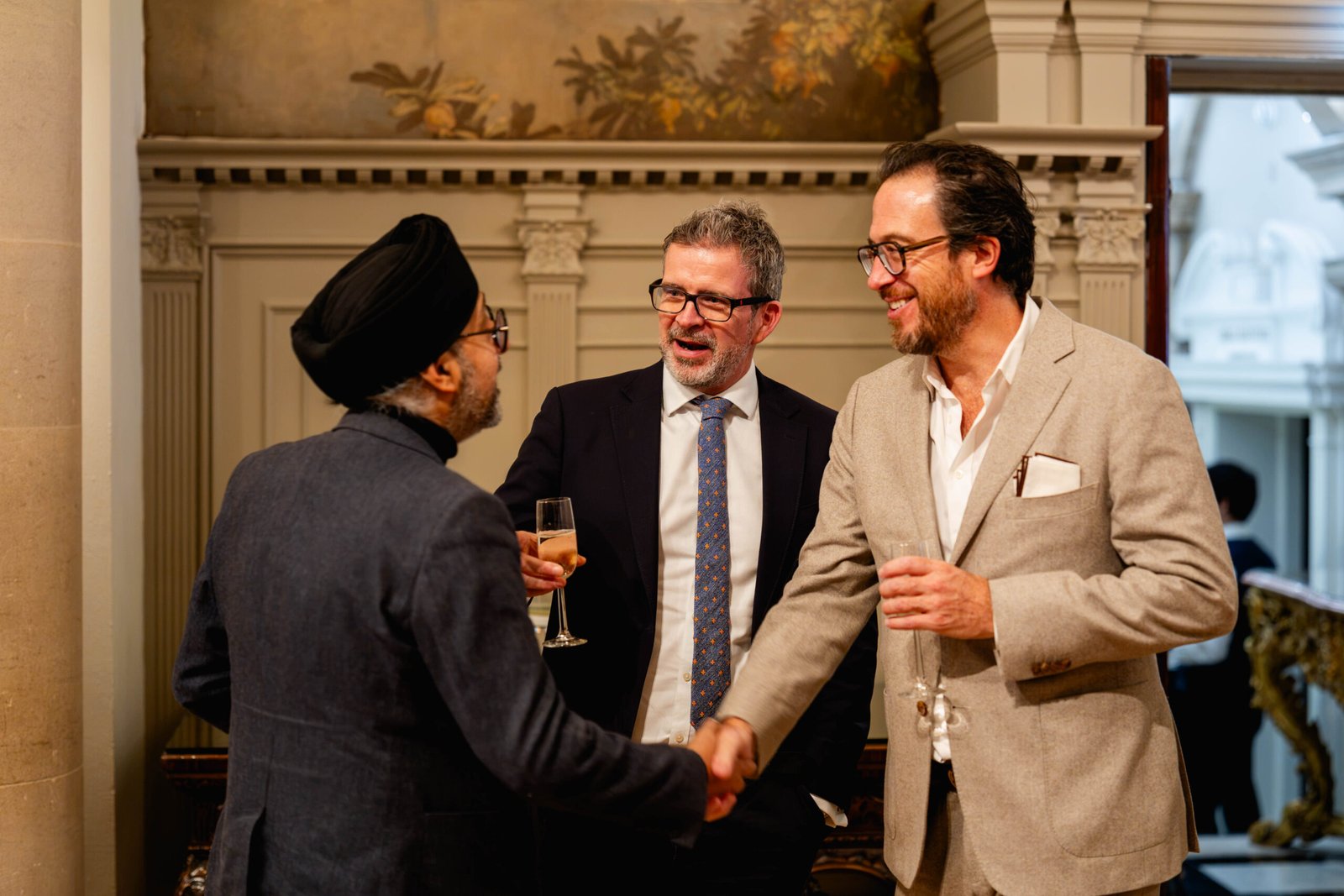
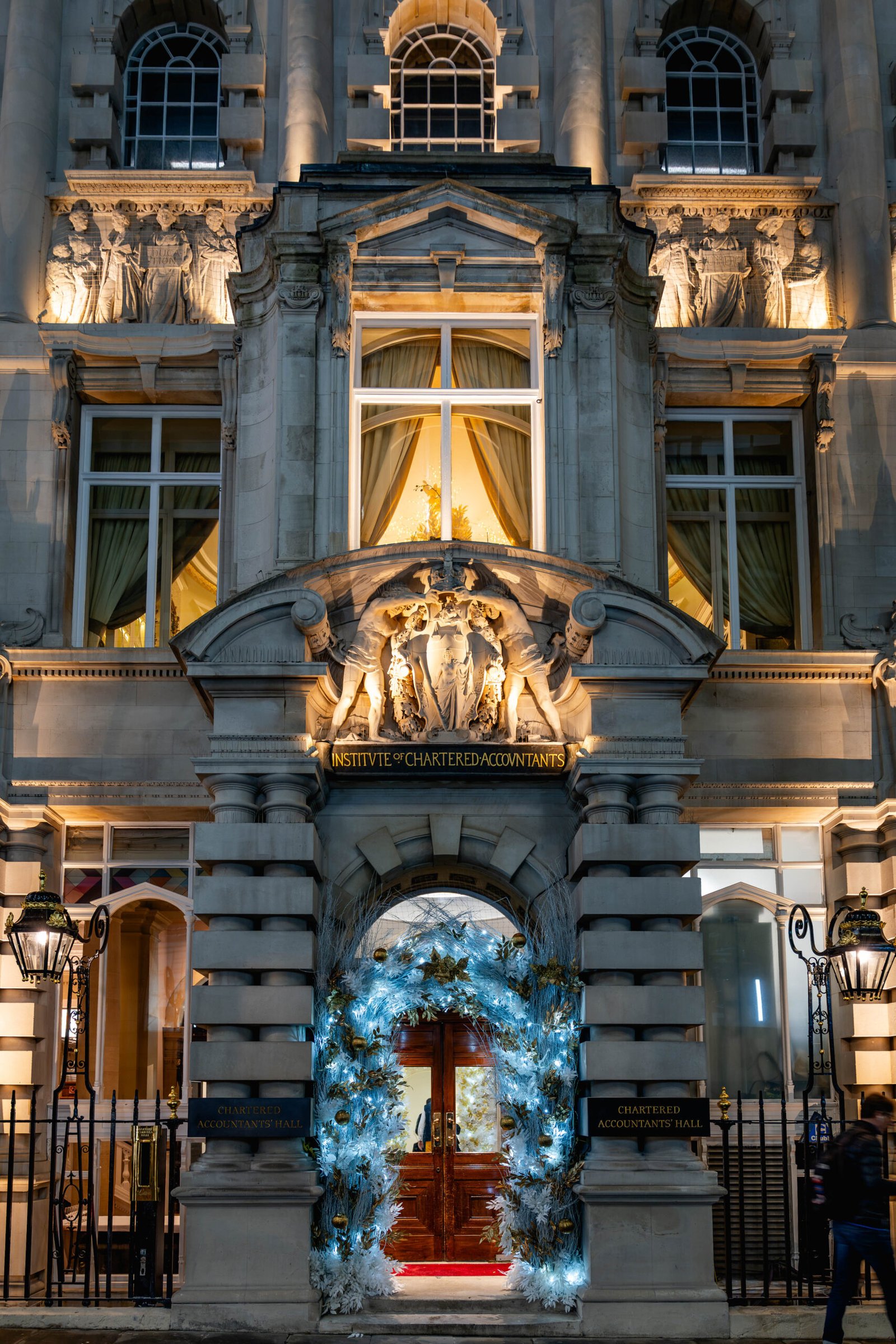





























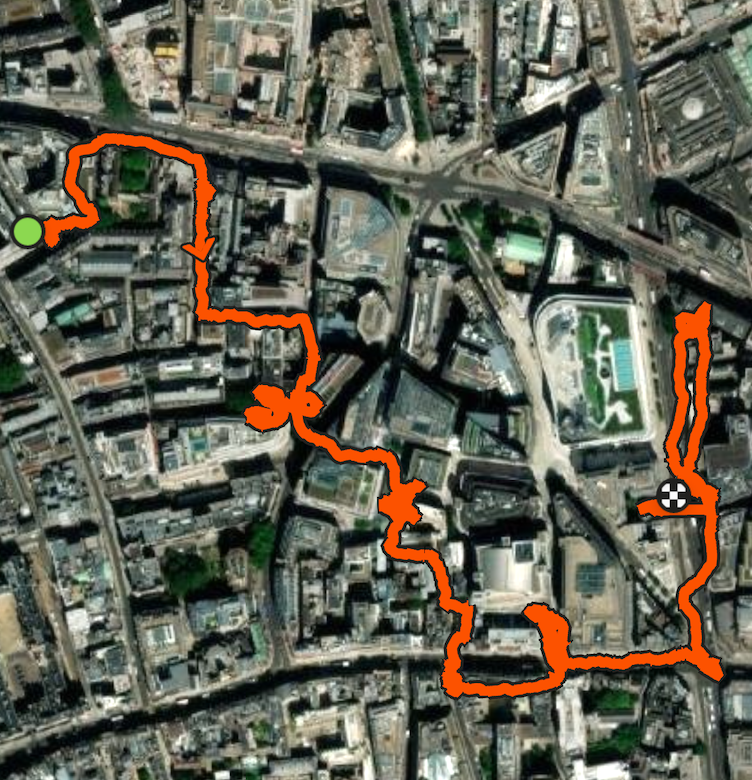
CAF’s inaugural planning tour of the intense development activity around Holborn and the Fleet Valley, led by Planning and Development Director Gwyn Richards with Assistant Director (Design) Tom Nancollas, was a sell-out success, evading rain until the last moment. Weaving south from Make Architects’ Holborn Gate scheme for Hoi Hup...
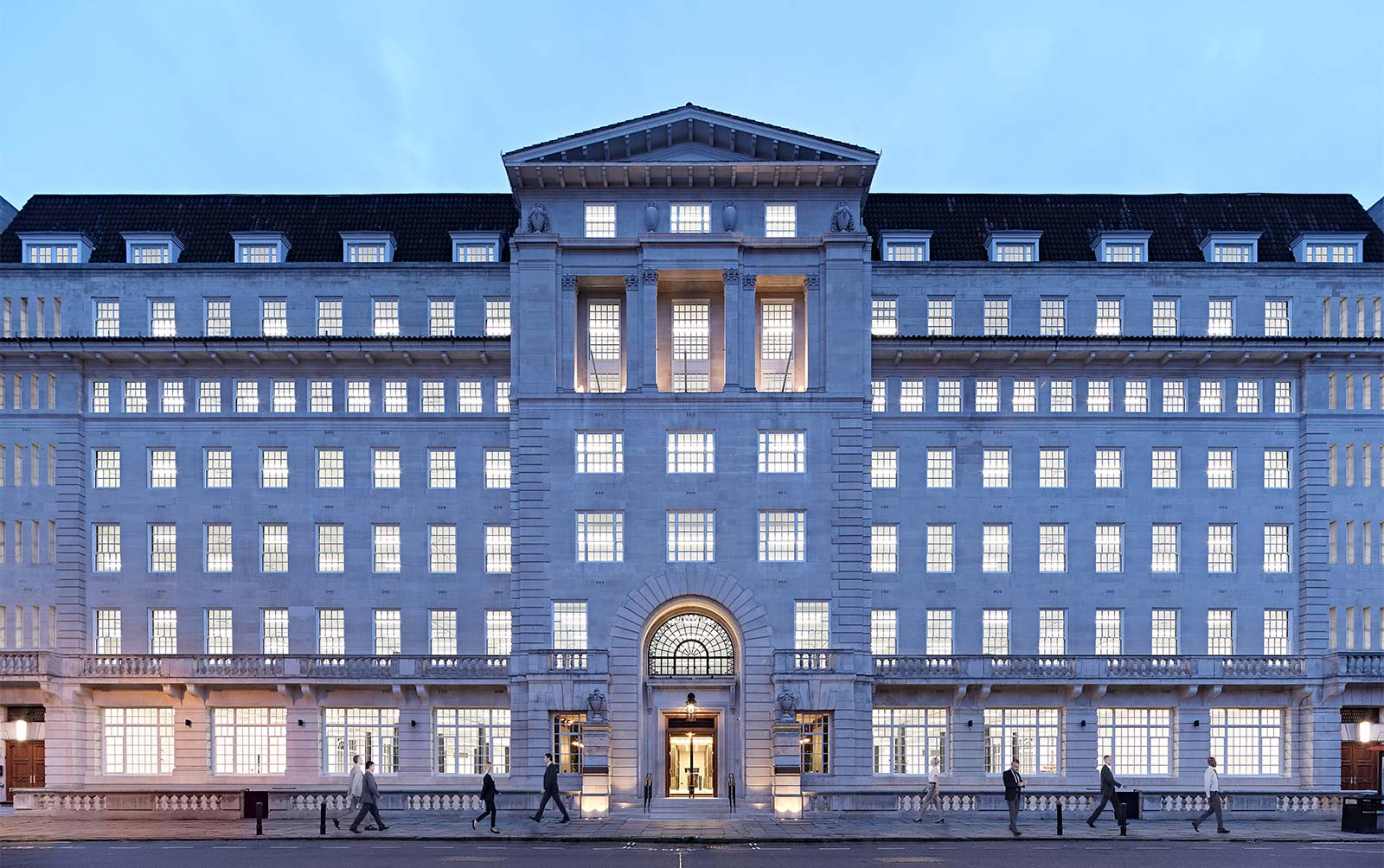
Thursday, 14 July 2022 As we seek sympathetic and practical update of our City offices and rich heritage it was refreshing to join and learn about the recent architectural revamp of The Gilbert & One Lackington (‘The Gilbert’) carried out by Brookfield Properties. The Gilbert never was intended as offices,...
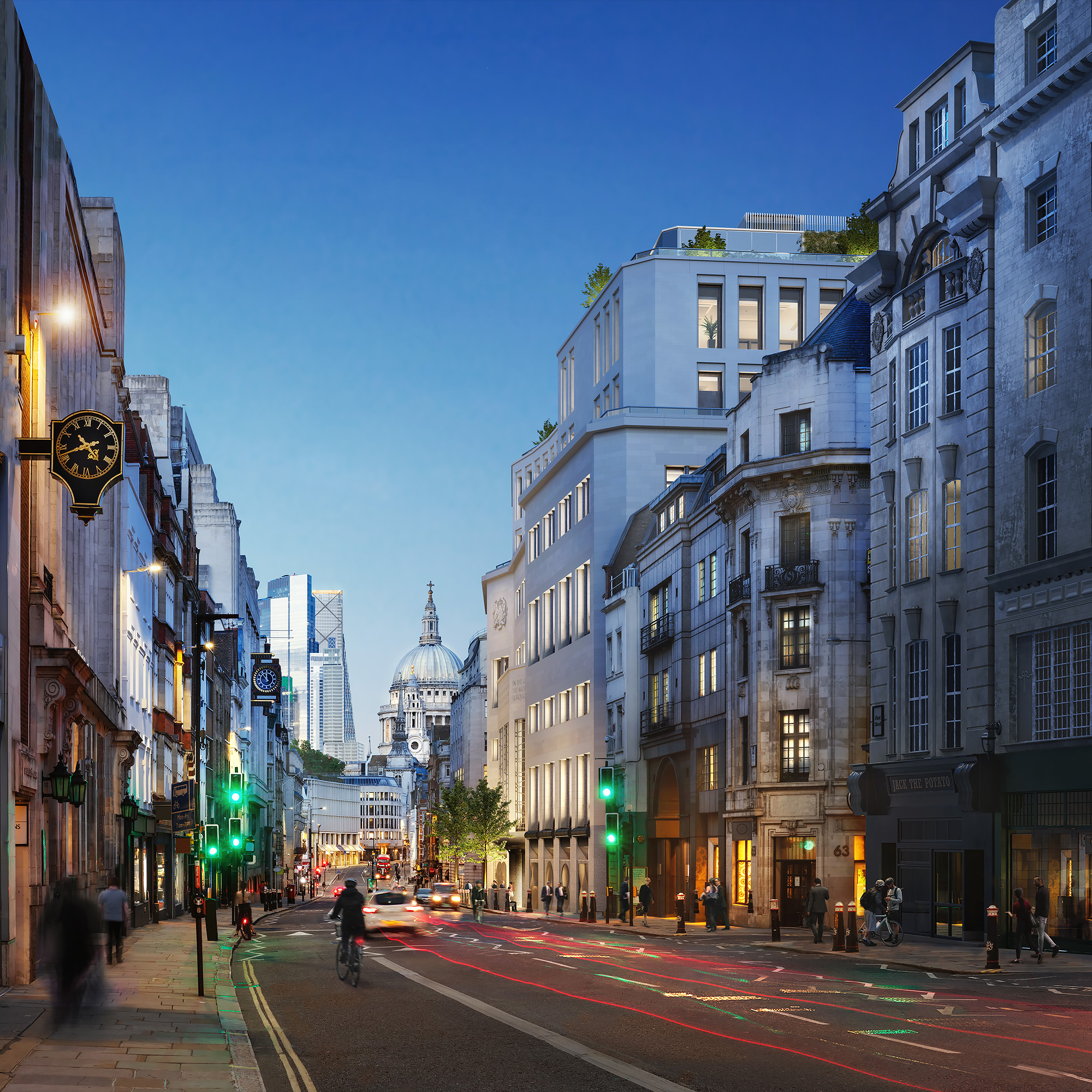
Tuesday, 12 September 2023 City Architecture Forum members were treated to a preview of the City Corporation’s new court complex at its Salisbury Square Development on Fleet Street by Lee Higson, director, Eric Parry Architects, and Tim Cutter, director, Avison Young (City of London). If you think a major city...